


A Collision of Comfort Foods
At its heart, the trend combines two beloved comfort foods. Pizza, the globally recognized staple of casual get-togethers, meets podi, a staple in countless South Indian homes. Often called ‘milagai podi’ or even ‘gunpowder,’ this coarse spice blend is typically
made from roasted lentils, red chillies, sesame seeds, and a mix of other aromatic spices. For many, its spicy, nutty flavour is the taste of home, traditionally mixed with ghee or sesame oil and served with idli or dosa. Applying this distinctly Indian flavour profile to a cheesy pizza creates a dish that is simultaneously novel and deeply familiar, offering a sense of comforting nostalgia with a modern, global twist.
The Perfect Flavour Equation
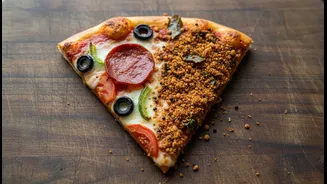
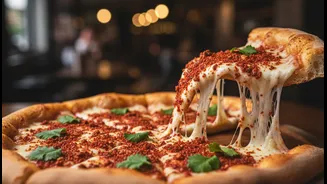
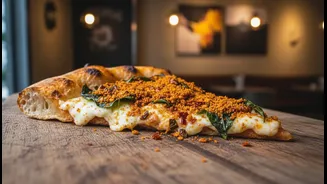
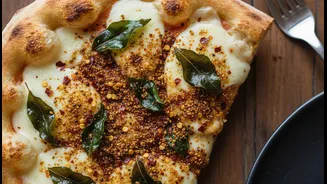
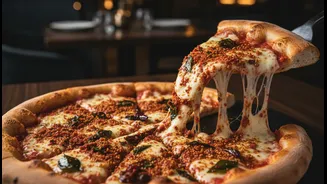
The fusion works because the flavours are surprisingly complementary. The rich, fatty mozzarella and the simple carb base of the pizza provide a perfect canvas for the podi’s complex profile. Described by chefs as a 'flavour bomb,' podi adds a spicy kick, a nutty texture from the ground lentils, and an umami depth that cuts through the richness of the cheese. Many restaurants serve podi pizza not with chilli flakes, but with a side of melted ghee for drizzling. This final touch adds a layer of fragrant warmth, tying the Italian and Indian elements together in a way that feels intentional and delicious, rather than forced.
Made for the Social Media Age
Let’s be honest: in 2026, if it isn’t on Instagram, did it even happen? Fusion food, and Indian cuisine in particular, is incredibly photogenic. The vibrant, reddish-brown hue of podi sprinkled over a golden, cheesy pizza creates a high-contrast, visually appealing image that stands out on a crowded social media feed. For youth food bloggers, whose success hinges on creating compelling visual content, the podi pizza is a gift. It's unique, colourful, and carries an inherent story of cross-cultural creativity. The simple act of documenting this dish allows bloggers to tap into conversations about tradition, innovation, and the evolution of food.
A Symbol of a New Culinary Confidence
The popularity of podi on pizza isn't happening in a vacuum. It is part of a broader movement in modern Indian cuisine. Young chefs and home cooks are increasingly confident about their culinary heritage and are less bound by traditional rules. They are not diluting Indian flavours for a global palate; instead, they are using them as a foundation for something new and exciting. This trend reflects a generation of Indians who are globally connected but also deeply rooted in their local culture. They are as comfortable with a Neapolitan pizza as they are with their grandmother’s podi recipe, and they see no contradiction in bringing the two together. This represents a creative culinary identity that is both authentic and adventurous.
Accessible and Easy to Replicate
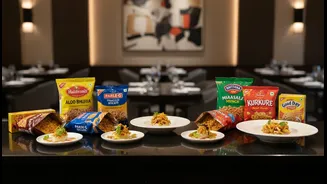
A key reason this trend has spread so quickly through blogs and home kitchens is its accessibility. Unlike other complex fusion dishes, this one is simple. It doesn’t require special techniques or equipment. Anyone with a jar of podi—homemade or store-bought—and access to a pizza can try it. This low barrier to entry encourages experimentation. Food bloggers can easily create recipes and reels showing how to make it, from 'samosa chaat pizza' to 'tandoori veggie quesadillas', inspiring their followers to join the trend. This replicability has turned it from a niche restaurant offering into a widespread DIY phenomenon, solidifying its place in India’s vibrant food scene.