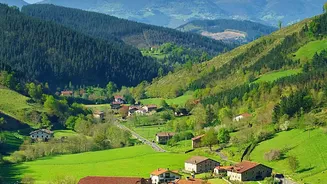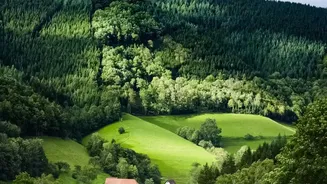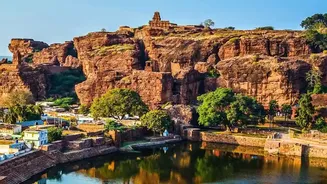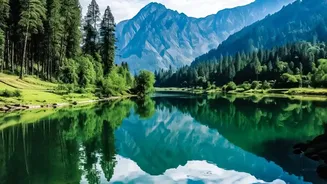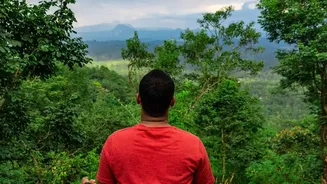







The frantic pace of city life, punctuated by endless notifications, is pushing a growing number of urban professionals to seek an escape. They are finding it not in luxury resorts, but in the quiet, disconnected forest villages of Chhattisgarh.
The Great Unplugging
In an era
defined by hyper-connectivity, the idea of voluntarily disconnecting can feel radical. Yet, for a rising number of professionals across India, burnout from constant screen time is driving a search for genuine silence. This has given rise to the 'digital detox'—a conscious period away from smartphones, laptops, and the relentless hum of the internet. Studies have shown that disconnecting, especially in nature, can reduce stress, improve sleep, and increase focus. While some find this refuge in scheduled retreats or personal discipline, a more immersive solution is gaining traction: trading the urban jungle for a real one.
Why Chhattisgarh's Forests?
With approximately 44% of its area under forest cover, Chhattisgarh offers an unparalleled natural sanctuary. The state is actively positioning itself as a premier destination for eco and cultural tourism, moving beyond conventional travel. It's not just about the dense Sal forests or the scenic waterfalls; it's about the deep-rooted tribal culture that has coexisted with this wilderness for centuries. The state government's recent push for a homestay policy is designed to empower these local and tribal communities, allowing them to offer authentic experiences to visitors. This initiative channels tourism revenue directly into villages, making a stay here both a personal retreat and a form of sustainable, community-driven travel.
Life Beyond the Wi-Fi Signal
A digital detox in a Chhattisgarh village like Jabarra in the Bastar district is an exercise in radical simplicity. Here, the day isn't structured by calendar alerts, but by the rhythm of the sun. Mornings might begin with yoga alongside a local host or a quiet walk through the forest, where the only sounds are birdsong and rustling leaves. Connectivity is often limited to specific providers, if available at all, making the choice to unplug less of a struggle and more of a reality. Guests stay with local families, sharing simple, organic meals often sourced from kitchen gardens. The experience is intentionally stripped of modern distractions, forcing a shift in focus from the external digital world to the internal and immediate physical one. Activities revolve around nature walks, trekking, visiting local markets, or simply being present.
The Real Connection
The primary benefit reported by those who undertake such a journey is a profound sense of mental clarity. Without the constant 'input' of social media and work emails, the mind has a chance to recover from cognitive fatigue. This break allows for deeper connections—with nature, with the host community, and with oneself. Interactions are face-to-face, unmediated by a screen. Visitors learn about ancient traditions, local ecosystems, and a way of life that is both resilient and deeply connected to the land. It's a reminder that connection doesn't always require a signal; sometimes, it just requires presence.