


A Shift in What's Considered Cool
For years, the uniform of urban youth was dictated by international sneaker drops and oversized hoodies from global giants. But today, a significant cultural shift is underway. An increasing number of young Indians are looking past the hype and seeking
something more authentic. This new definition of 'cool' is less about the logo on the chest and more about the story behind the garment. Gen Z, in particular, is driving this change, valuing personal identity, transparency, and cultural connection in their fashion choices. They are moving away from mass-produced, generic styles and gravitating towards pieces that feel unique and meaningful, creating a fertile ground for a fashion revolution rooted in local identity.
The Fabric of Identity and Heritage
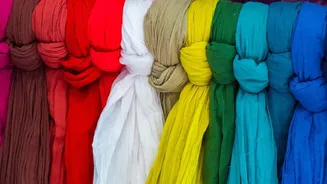
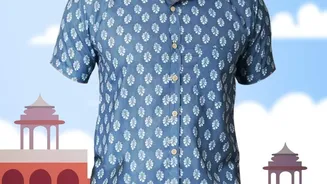
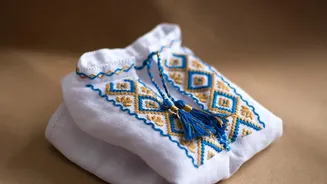
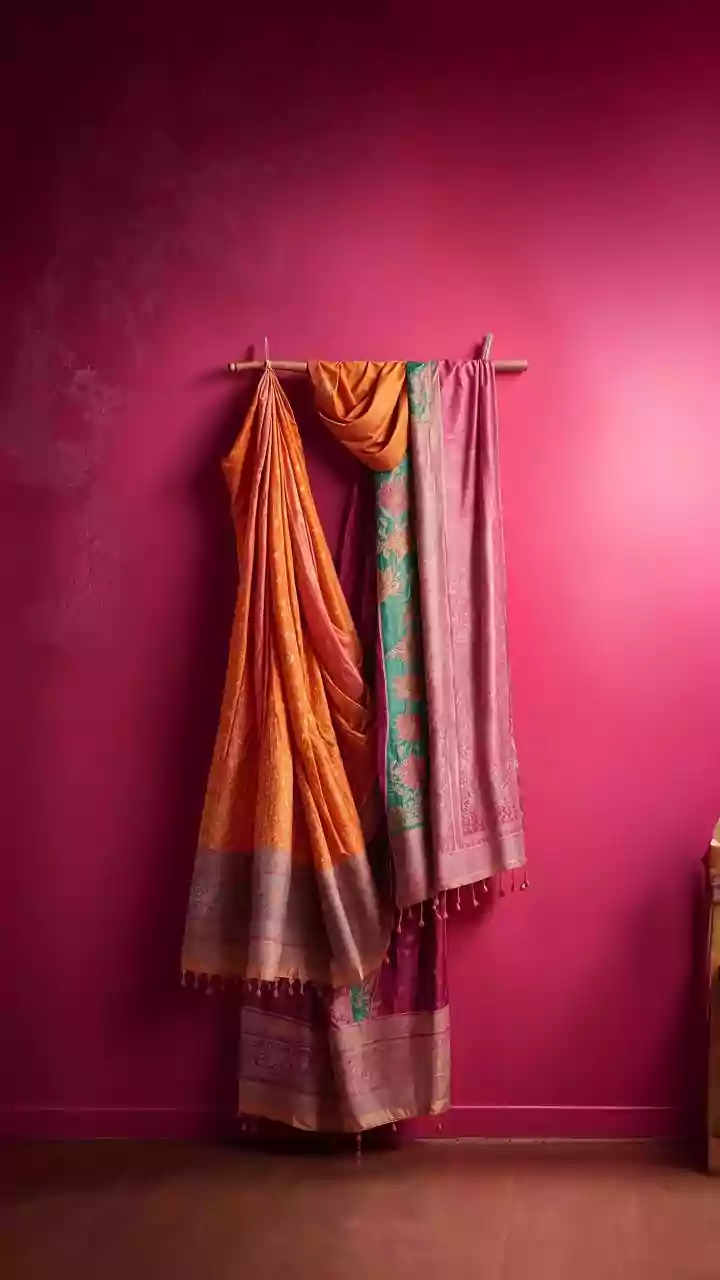
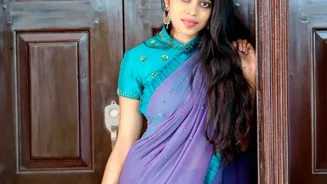
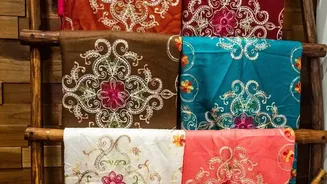
At the heart of this movement is the revival of India's rich textile legacy. Fabrics like Khadi, Ikat, Jamdani, and Kalamkari are no longer seen as relics of the past or reserved for traditional occasions. Instead, they are being embraced as powerful statements of identity. Each handwoven textile carries centuries of craftsmanship, regional history, and artisanal stories. For a generation keen on exploring and asserting its roots, wearing a bomber jacket made from Ajrakh block prints or sneakers accented with Banarasi brocade becomes a way to connect with their heritage on their own terms. It’s a fusion that feels both deeply personal and unapologetically modern, blending generational legacies with contemporary self-expression.
Sustainability as a Core Value
This trend is not just about aesthetics; it's deeply intertwined with a growing consciousness around sustainability. For many young consumers, choosing sustainable fashion is a form of activism. Local textiles offer a compelling alternative to the environmentally damaging fast-fashion model. Handloom production consumes fewer resources, supports local artisan economies, and drastically reduces the carbon footprint associated with global supply chains. By choosing a hoodie from a homegrown label that uses natural dyes and traditional weaving techniques, consumers are making a statement against worker exploitation and environmental degradation. This shift reflects a broader demand for transparency and ethical production, where the story of who made your clothes matters just as much as how they look.
Designers Reimagining Tradition
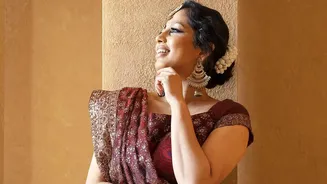
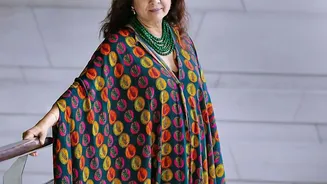
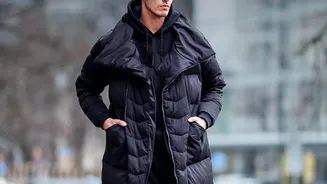
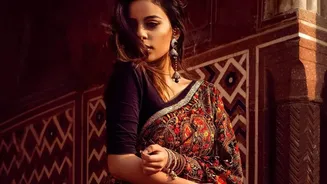
This cultural shift is being championed by a new generation of Indian designers and homegrown streetwear brands. Labels like Johargram, NorBlack NorWhite, and IRO IRO are at the forefront, proving that heritage and street style are not mutually exclusive. They are skillfully integrating traditional textiles into modern, global silhouettes—think oversized coats from handloom fabrics, corset tops paired with sarees, and relaxed co-ord sets made from heritage cottons. This innovative approach keeps ancient crafts relevant and introduces them to a new, younger audience. The magic lies in the contrast: the intricate, handmade texture of a traditional weave on a relaxed, edgy streetwear form. It's this reinterpretation that makes the final product feel fresh and exciting, not like a costume piece but as a staple of a modern wardrobe.
More Than a Trend, A Movement
The rise of local textiles in streetwear is more than a fleeting trend; it represents a larger cultural and economic movement. It’s a re-localisation of fashion, pushing back against the homogenised aesthetic of global brands. Social media has played a crucial role, allowing small, independent labels to connect directly with consumers who share their values, bypassing traditional retail gatekeepers. This has created a vibrant ecosystem where cultural entrepreneurship thrives, often involving collaborations between young designers and artisan clusters in rural India. As this market grows, it not only enriches the fashion landscape with more diverse and meaningful choices but also provides sustainable livelihoods for artisan communities, ensuring their skills are passed down to future generations.