






The Balcony Gardener's Constant Battle
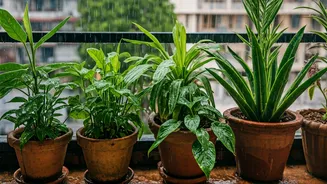
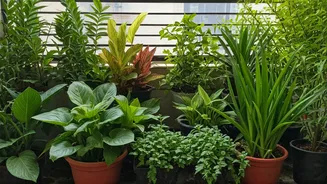
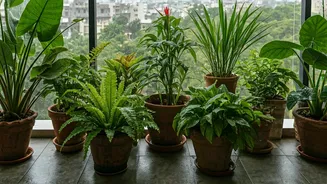
Balcony gardens, with their container-grown herbs, vegetables, and flowers, are a wonderful way to bring nature into urban spaces. However, these contained environments can also be a paradise for common plant pests. Aphids, spider mites, thrips, whiteflies,
and mealybugs are small, soft-bodied insects that thrive in the sheltered conditions of a balcony. They reproduce quickly, sucking the life out of leaves, stems, and buds, leading to yellowing, stunted growth, and eventually, the demise of your cherished plants. The challenge for apartment and flat dwellers is finding a pest control method that is effective, safe for edible plants, and doesn't involve storing bulky or toxic chemical sprays in a small living space. This is where a simple, homemade remedy comes to the rescue.
Your Secret Weapon: A DIY Horticultural Oil
The secret weapon is a homemade horticultural oil spray, and its main ingredient is likely already in your pantry: vegetable oil. Common cooking oils like canola, sunflower, or soybean oil can be used to create a potent, yet safe, insecticide. The magic isn't chemical; it's physical. When diluted and sprayed onto plants, the fine oil film coats the bodies of soft-bodied insects and their eggs. This film blocks their spiracles, the pores through which they breathe, effectively suffocating them on contact. It's a simple mechanical action that pests like aphids and mites cannot develop a resistance to, unlike many chemical pesticides. For this to work, however, the oil must be mixed correctly with water, and as we all know, oil and water don't mix—at least, not without a little help.
How to Mix Your Protective Spray
Creating your own effective oil spray is incredibly simple. The key is to use a mild liquid soap as an emulsifier, which allows the oil and water to combine into a stable, sprayable solution. For a basic and effective concentrate, mix one cup of vegetable oil with one tablespoon of mild, biodegradable liquid soap (like castile soap, or a simple dish soap without bleach or degreasers). Shake this mixture thoroughly in a jar. This is your concentrate, which you can store for future use. When you're ready to treat your plants, you will dilute this concentrate. The standard ratio is to mix two teaspoons of your oil-soap concentrate with one quart (about one litre) of water in a spray bottle. Shake the spray bottle vigorously before each use to ensure the mixture remains well-emulsified and effective.
The Right Way to Apply the Spray
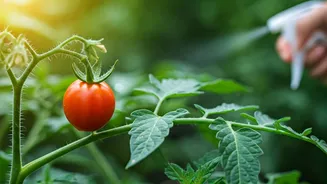
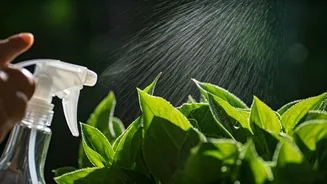
Proper application is crucial for success and to avoid harming your plants. First, always test the spray on a small, inconspicuous part of the plant, like a single leaf, and wait 24 hours to ensure there is no adverse reaction. The best time to spray is in the early morning or late evening when the sun is not directly on the plants. Spraying in the intense midday sun can cause the oil-coated leaves to burn. Be thorough in your application. Pests like aphids and spider mites love to hide on the undersides of leaves and in the crevices between stems. Ensure you spray all surfaces of the plant—tops and bottoms of leaves, stems, and nodes—until they are dripping. The oil only works on the pests it directly touches, so comprehensive coverage is essential.
What It Works On and What to Avoid
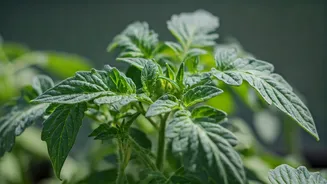
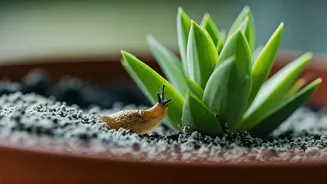
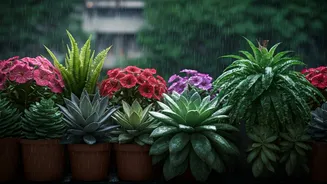
This homemade oil spray is highly effective against a range of common, soft-bodied pests including aphids, spider mites, thrips, whiteflies, and scale insects. It's a great choice for protecting many common balcony plants, from herbs like basil and mint to vegetables like tomatoes and leafy greens. However, a few precautions are necessary. Avoid spraying plants that are already stressed from drought or heat. Ensure they are well-watered before treatment. Some plants, such as those with waxy or hairy leaves (often called "blue" foliage, like some succulents or spruce), can be sensitive to oil sprays, which can damage their protective coating. This is why the initial patch test is so important. Do not overuse the spray; apply it once, monitor for a few days, and reapply a week later only if the pest problem persists.