






A Resume Built on Success
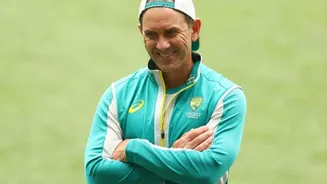
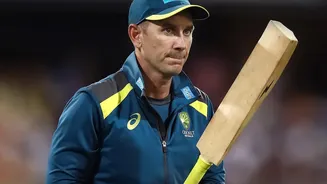
On paper, Justin Langer’s credentials are indisputable. He took over an Australian team in crisis following the 2018 ball-tampering scandal and instilled a new sense of purpose and discipline. Under his leadership, Australia retained the Ashes on English
soil in 2019 for the first time in 18 years and went on to win the T20 World Cup in 2021. He is a serial winner, a man who understands the uncompromising demands of high-performance sport and holds his players to those same exacting standards. For any side feeling a dip in results or a lack of direction, Langer represents a return to fundamentals and a hardened, competitive edge. His supporters would argue that he forges resilient, tough cricketers capable of winning in the most challenging environments. He doesn’t just build teams; he builds formidable fighting units.
The Case Against: Intensity and Burnout
The very strength that makes Langer an attractive candidate is also his greatest liability. His tenure as Australian coach ended not because of a lack of success, but due to player mutiny. Reports surfaced of a dressing room worn down by his relentless intensity and micromanagement. Players felt they were walking on eggshells, unable to relax under his constant, watchful eye. This 'my way or the highway' approach ultimately proved unsustainable. Cricket is a long, mentally taxing sport, and an environment of perpetual pressure can lead to burnout and fractured relationships. The modern athlete often responds better to collaboration and empowerment than to authoritarian rule. The fear with Langer is that he would bring short-term results at the cost of long-term team cohesion and morale, a pattern that the Australian experience seems to confirm.
The 'Bazball' Paradox
This brings us to the elephant in the room: 'Bazball'. The philosophy championed by current coach Brendon McCullum and captain Ben Stokes is the antithesis of everything Langer represents. 'Bazball' is built on freeing players from the fear of failure, encouraging them to play with aggressive instinct, and fostering a relaxed, enjoyable dressing room atmosphere. It prioritises expression over structure and empowerment over instruction. To parachute Justin Langer into this setup would be like pouring water into a deep fryer. It's hard to imagine players like Zak Crawley or Harry Brook, who have flourished under McCullum's leadership, thriving under a more prescriptive and intense regime. The very philosophy that has revitalised English Test cricket would be fundamentally threatened by a coach whose methods are so diametrically opposed.
A Question of Culture and Timing
Ultimately, the debate is not about whether Langer is a good coach — his record proves he is. The real question is one of cultural compatibility and timing. England's Test side does not currently appear to be a broken unit in need of a cultural reset. While 'Bazball' has had its wobbles and its high-risk approach can lead to spectacular failures, the core identity of the team is strong, and the players are clearly bought into the current system. Appointing Langer would be a solution to a problem England doesn't have. It would signal a complete rejection of the post-2022 era and a return to a more conservative, old-school approach. While some may argue that a dose of Langer’s steel is exactly what’s needed to turn exciting cricket into consistent victories, it’s a gamble that could easily shatter the confidence and flair that has made this team so compelling to watch.