


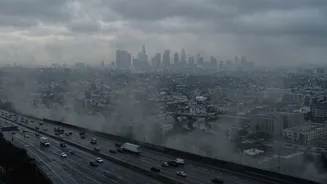
A Push for a Greener Diwali
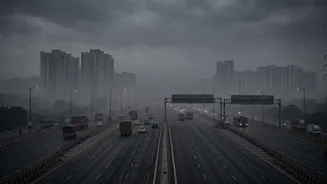
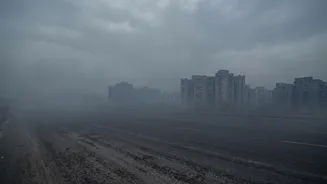
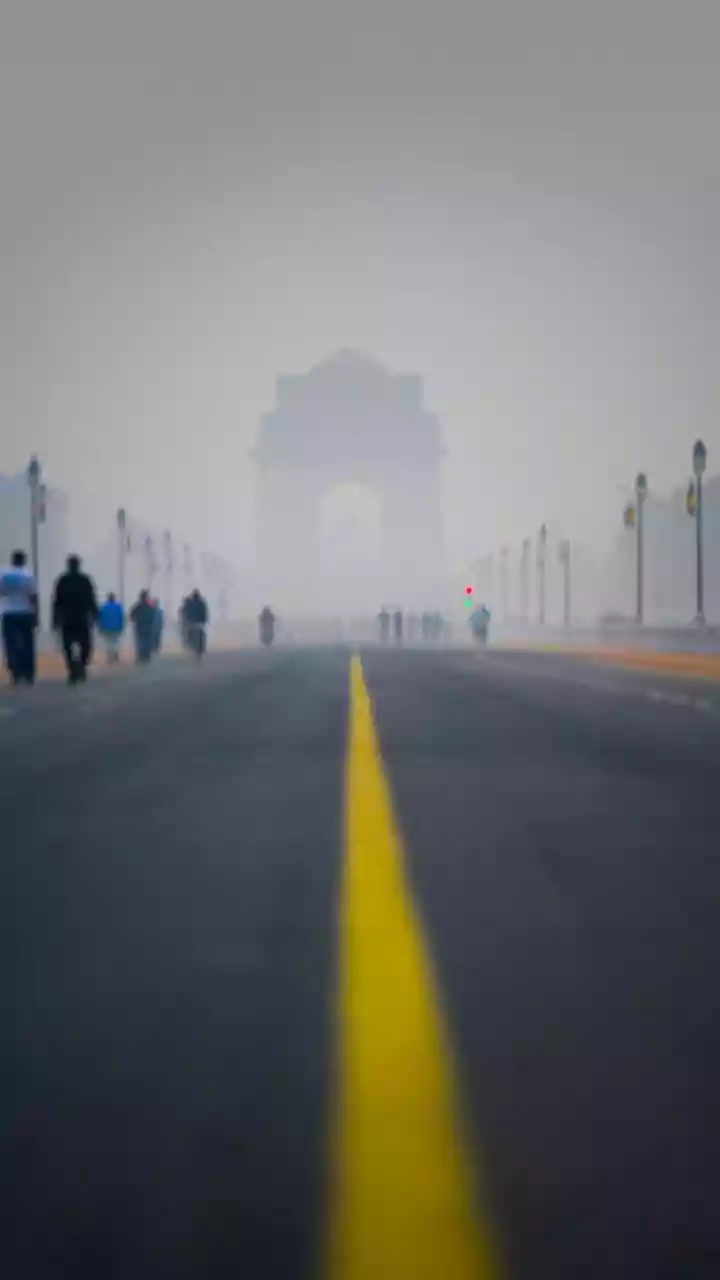
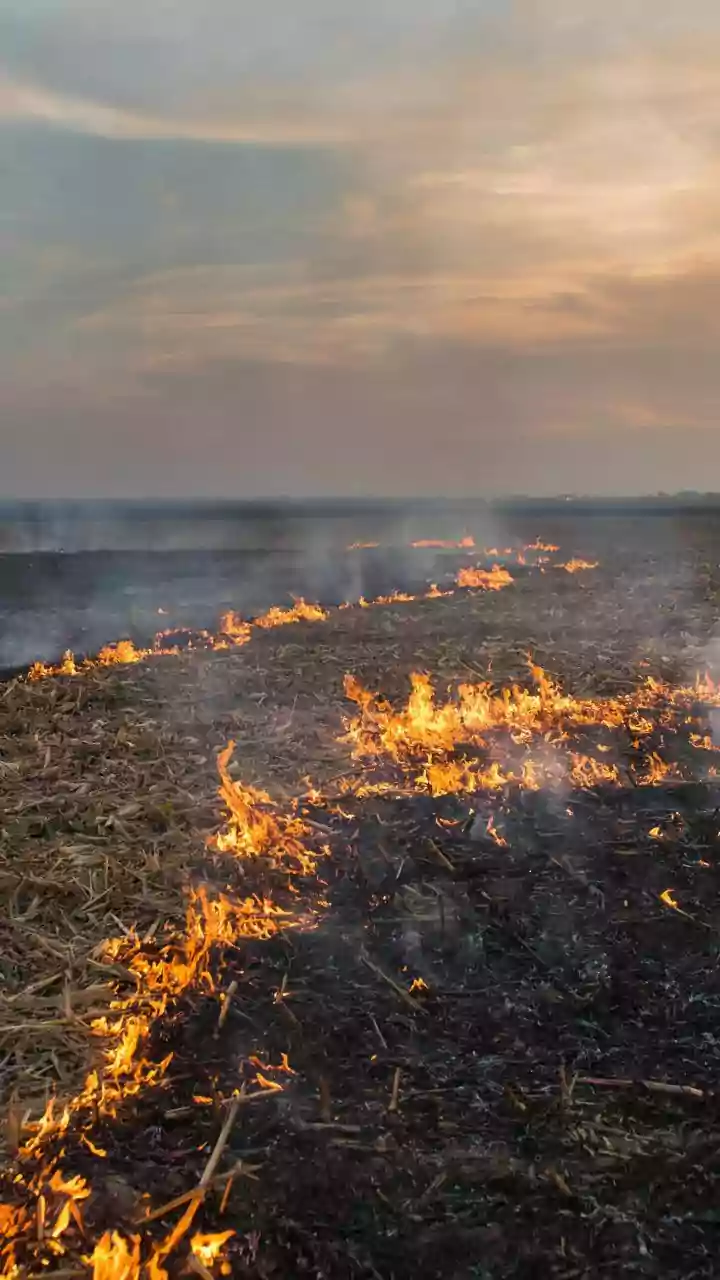
For years, the festive season has coincided with a sharp dip in air quality across many Indian cities, particularly in the Indo-Gangetic plain where cooler, still air traps pollutants. Firecracker smoke, laden with fine particulate matter, contributes
significantly to this spike, posing health risks to children, the elderly, and those with respiratory conditions. The push for 'green crackers' is a response to this annual health and environmental challenge. The goal is not to eliminate celebrations but to mitigate the harmful effects. In a long-running case, the Supreme Court has clarified it will not impose a complete ban, which would hurt sentiments, nor will it allow unrestricted use, which impacts public health. The focus is on finding a balance through regulated use of less-polluting alternatives.
What Exactly Are 'Green Crackers'?
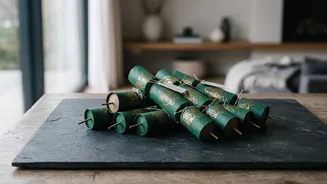
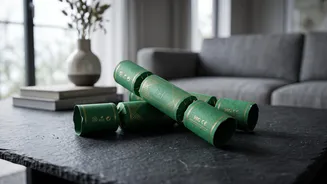
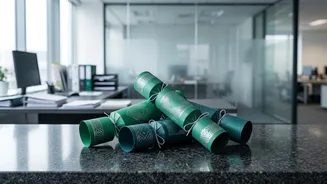
Green crackers are not smoke-free, but they are designed to be less harmful than traditional fireworks. Developed under guidelines from the Council of Scientific and Industrial Research-National Environmental Engineering Research Institute (CSIR-NEERI), these crackers have a modified chemical composition. They aim for at least a 30% reduction in particulate matter emissions and do not contain prohibited chemicals like barium nitrate in many formulations. The formulation often includes additives that act as dust suppressants. In late 2026, the Supreme Court also permitted the use of specific 'joined' green crackers, or 'laris', under strict technical conditions, a move that re-opened the market for these popular serial firecrackers in a regulated form.
Rules and Enforcement for Diwali 2026
Enforcement strategies vary by state and city, often becoming stricter as air quality worsens. As of late October 2026, many cities are gearing up for strict enforcement. For example, the Kangra district administration has permitted green crackers only between 8 pm and 10 pm on Diwali night. In Delhi, where pollution is a major concern, authorities are preparing for robust implementation of court guidelines. Patrolling teams from Delhi Police and other agencies will be deployed to ensure only approved green crackers are used within the stipulated time windows. While the Supreme Court has indicated a willingness to allow bursting for specific, limited hours, a blanket permission has not been granted, and local restrictions remain key. In some areas like Mumbai, courts have gone further, banning the bursting of crackers on all public roads year-round.
Identifying Genuine Green Crackers
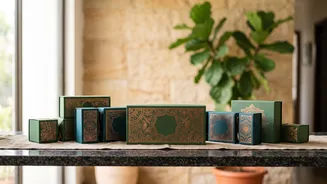
One of the biggest challenges for consumers and authorities is distinguishing genuine green crackers from conventional or counterfeit ones. To be sure you are buying a legitimate product, look for two key features on the box: the official CSIR-NEERI logo and a QR code. Scanning this QR code with a smartphone should lead to a verification page confirming the manufacturer's details and the product's authenticity. You can use the 'CSIR NEERI Green QR Code' app available on app stores for this purpose. Be wary of boxes that have a generic 'green cracker' sticker, a QR code that leads to a dead link, or no manufacturer details. Purchasing from licensed sellers at designated locations is another crucial step.
Penalties for Violations
Selling, storing, or bursting banned firecrackers carries legal consequences. Authorities have been directed to take strict action against violators. This includes confiscating illegal stock and initiating legal proceedings under relevant laws, such as the Explosives Act. Delhi Police, for instance, has already been conducting raids and seizing large quantities of illegal firecrackers ahead of Diwali. In some jurisdictions, officials can forfeit security deposits from event organisers who violate noise and cracker norms. All Sub-Divisional Magistrates (SDMs) and police station in-charges in many districts are tasked with inspecting shops and taking action against unauthorised sales to ensure compliance.