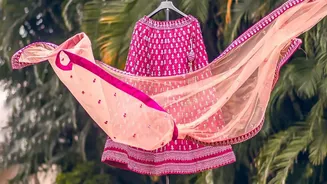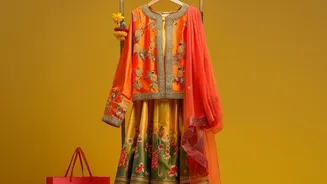

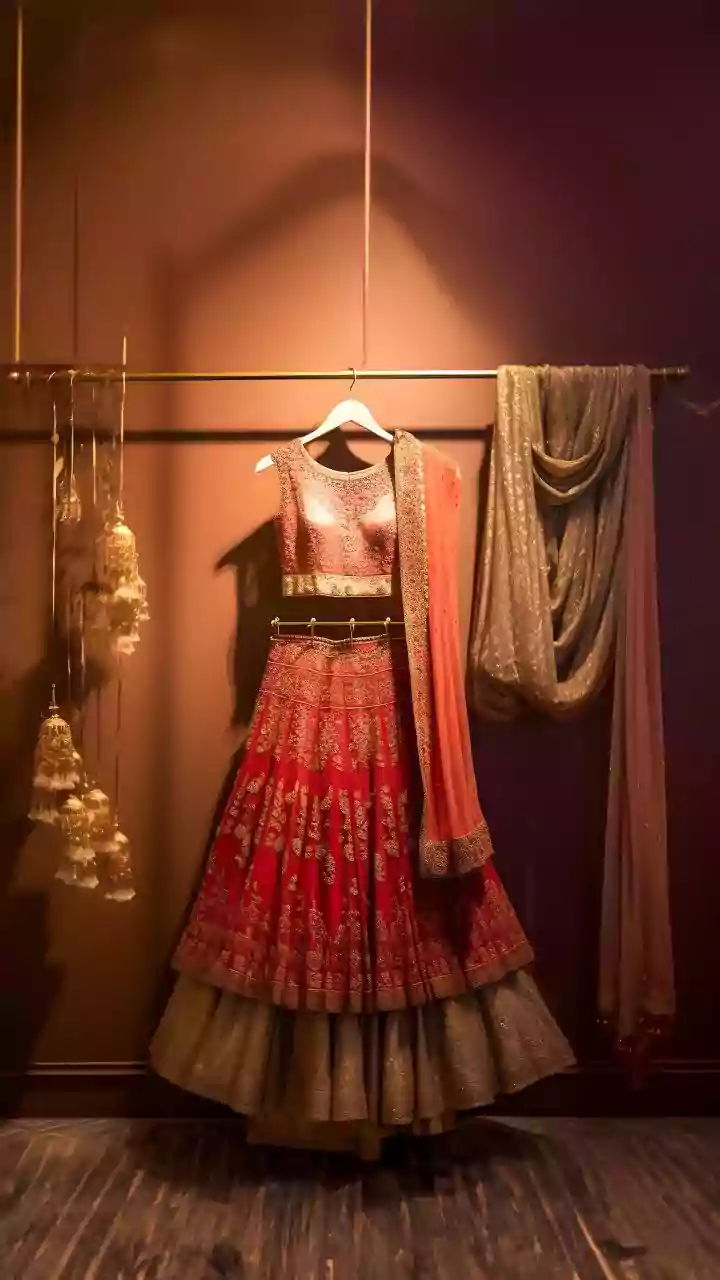
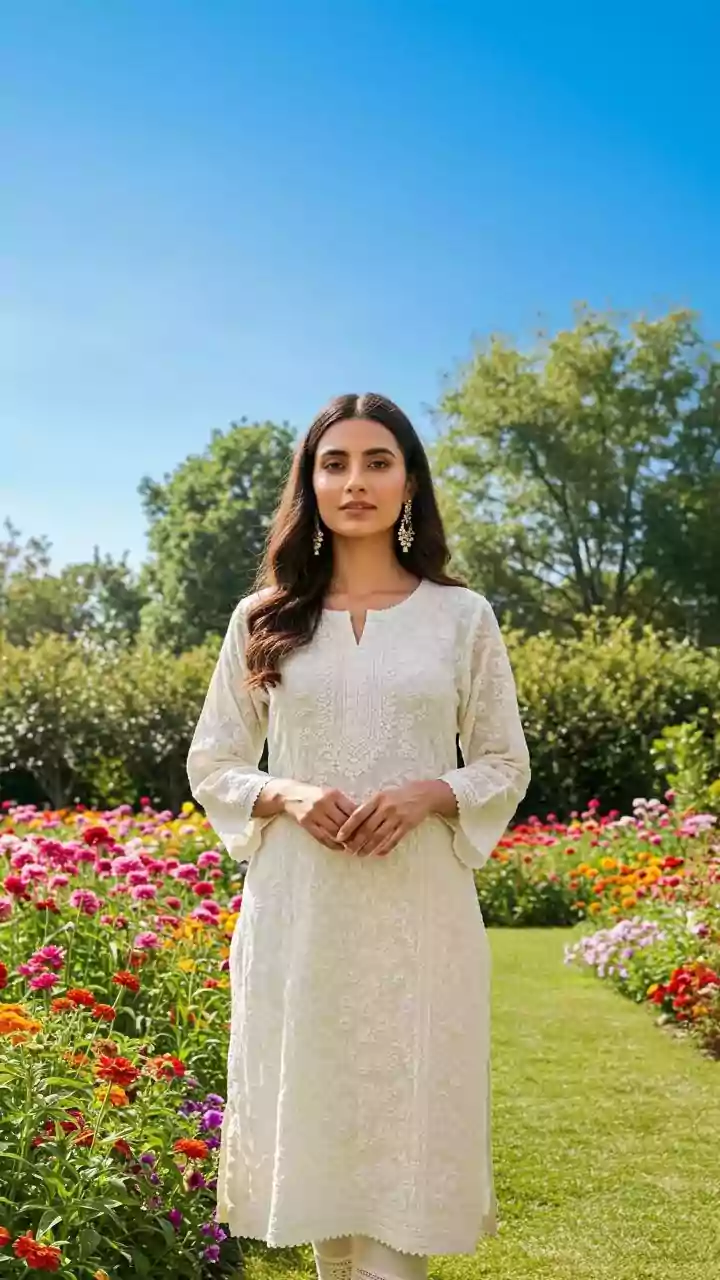
For generations, festive fashion meant one thing: tradition. But a closer look at today's celebrations reveals a quiet revolution. The focus is shifting from simply repeating the past to creatively reinterpreting it for a new era.
From Repetition to Reimagination
The festive wardrobe
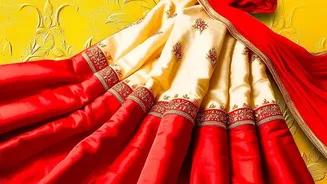
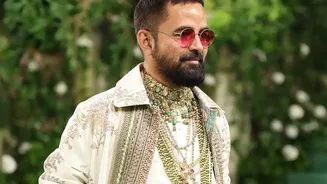
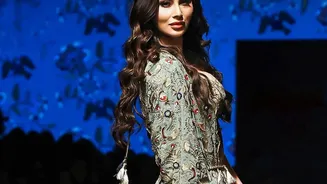
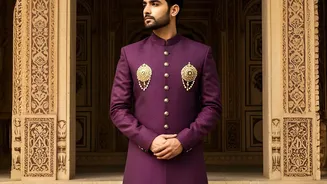
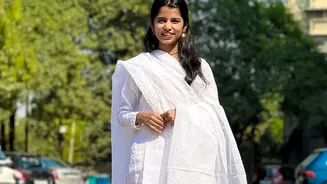
in India is undergoing a significant transformation. The era of dressing in heavy, elaborate ensembles that felt more like costumes than clothing is steadily giving way to a more thoughtful approach. Today, the conversation is less about how heavily a garment is embellished and more about its story, comfort, and versatility. This isn't about abandoning the rich legacy of Indian craftsmanship; it's about giving it a new language. Designers are looking at age-old techniques like Zardozi, Chikankari, and Bandhani not as fixed templates but as creative springboards. The result is a vibrant new aesthetic where heritage crafts feel contemporary and deeply personal.
New Silhouettes for Modern Life
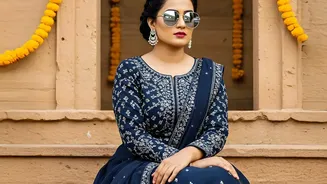
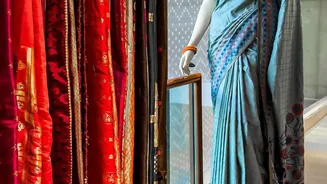
One of the most visible changes is in the silhouettes. While the saree, lehenga, and Anarkali remain beloved staples, their forms are evolving. We're seeing the rise of ethnic co-ord sets, cape-style dupattas, pre-draped sarees, and sharara pants paired with crop tops. These updated shapes prioritise comfort and movement, reflecting the lifestyles of modern Indian women who want to dance, mingle, and celebrate without feeling restricted. Designers are integrating traditional textiles into global forms like structured jackets, pant-suits, and breezy kaftans, proving that a handwoven fabric can feel just as at home in a contemporary cut as it does in a classic one.
Craft in a New Context
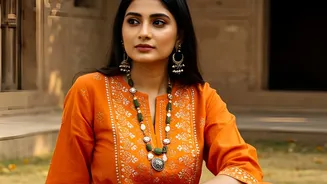
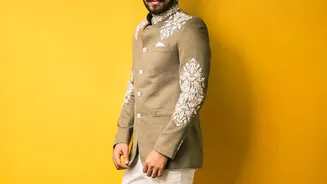
The reinterpretation of craft is where the magic truly happens. Imagine delicate Chikankari embroidery, traditionally seen on cotton kurtas, appearing on a denim jacket. Or consider Banarasi brocade, once reserved for opulent sarees, now being tailored into sharp blazers and corset blouses. Designers are playing with contrasts, placing intricate handwork on unexpected fabrics and minimalist silhouettes. This approach allows the craftsmanship itself to become the focal point. Instead of being overwhelmed by decoration, the eye is drawn to the skill of the artisan, whether it's the precision of a block print or the shimmer of Zari work on a clean, modern cut.
A Generational and Cultural Shift
This evolution is largely driven by a new generation of consumers, particularly Millennials and Gen Z. For them, fashion is a form of self-expression, and they are seeking pieces that reflect their identity—a blend of global awareness and cultural pride. They value versatility, wanting outfits that can be styled for a festival one day and a casual brunch the next. This has also been fuelled by a growing consciousness around sustainability. There's a clear preference for handmade, artisan-led fashion over mass-produced garments. Consumers are increasingly asking where their clothes come from, leading to a renewed appreciation for handloom textiles and the communities that create them.
The Artisan at the Center
Ultimately, this trend places the artisan back at the heart of the fashion conversation. By championing handwoven textiles and traditional crafts, designers are not only preserving India's rich heritage but also providing vital economic support to artisan clusters across the country. Brands are increasingly collaborating directly with weavers and craft communities, ensuring these skills are passed down to future generations. This focus on ethical production and authentic craftsmanship means that a modern festive outfit is more than just a beautiful garment; it's a piece of living history, a story of community, and a vote for a more sustainable and thoughtful fashion future.