




Get ready for a significant overhaul of India's aviation rulebook. The government has notified a new legal framework, the Bharatiya Vayuyan Niyam, 2026, which will replace the nearly century-old Aircraft Rules, 1937, starting January 1, 2027. This change
promises to bring more transparency and shift the balance of power in favour of the passenger.
A New Era of Fare Transparency
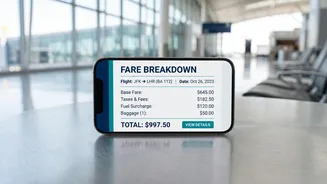
One of the most significant changes for passengers will be enhanced fare transparency. Under the new rules, airlines must provide a clear and detailed breakdown of the total ticket cost at the time of booking. This means the base fare, taxes, fees, and any other charges must be listed separately. More importantly, airlines will now be required to explicitly display cancellation charges and refund conditions upfront. This change is designed to end the frustration of discovering hidden fees or confusing refund policies after a ticket has been purchased, allowing travellers to make more informed decisions. The Directorate General of Civil Aviation (DGCA) will continue to monitor these tariffs to ensure compliance.
Government Intervention in 'Extraordinary Situations'
While India's airfares will remain deregulated and market-driven, the new framework gives the Central Government the power to intervene in ticket pricing during 'extraordinary situations'. The rules, taking effect on January 1, 2027, allow the government to issue temporary directions on fares when it deems it necessary in the public interest. While 'extraordinary situations' are not explicitly defined, this provision creates a formal mechanism for the government to step in and control price surges during natural disasters, major disruptions, or other crises, a power it has used informally in the past. For the everyday traveller, this means a potential safeguard against exorbitant price gouging during periods of high demand caused by unforeseen events.
What About Delays and Cancellations?
The Bharatiya Vayuyan Niyam, 2026, consolidates the existing regulatory framework, which includes the robust DGCA Passenger Charter that protects flyers against delays and cancellations. These fundamental rights are expected to be upheld and more rigorously enforced under the new system. Currently, if an airline cancels a flight with less than two weeks' notice, passengers are entitled to a full refund or an alternative flight. If the notice is less than 24 hours, passengers can receive the refund or alternate flight plus compensation ranging from ₹5,000 to ₹10,000, depending on the flight's block time, unless the cancellation is due to circumstances beyond the airline's control.
Rights During Long Delays
Passenger rights during delays also remain a critical component of the regulations. For significant delays, airlines are obligated to provide meals and refreshments. If a domestic flight is delayed by more than six hours, the airline must offer passengers the choice of an alternative flight or a full refund. In cases of overnight delays, airlines are required to provide hotel accommodation and transportation. These 'duty-of care' obligations apply even if the delay is caused by factors like weather, where monetary compensation might be waived. Passengers should also remember their rights in cases of denied boarding due to overbooking, which can command compensation of up to ₹20,000 in addition to a refund or rebooking.
How to Prepare for the Changes
As the January 1, 2027, effective date approaches, the biggest shift for passengers will be the increased transparency at the point of sale. Travellers should get into the habit of closely examining the detailed fare breakdown before purchasing a ticket, paying special attention to the newly mandated sections on cancellation fees and refund policies. While the core rights regarding delays and cancellations remain, the new framework's emphasis on transparency and government oversight aims to make the entire travel process fairer. Always remember to file complaints through the official AirSewa portal for any grievances that are not resolved by the airline directly.