


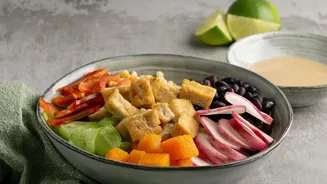
Why Go for High-Protein Plant Power?
A satisfying lunch needs to do more than just fill you up; it needs to fuel you. Plant-based proteins are not only rich in fibre, which aids digestion and promotes a feeling of fullness, but they are also typically lower in calories and saturated fat
compared to many animal proteins. A protein-rich lunch helps build and repair tissues, supports immune function, and keeps you feeling satisfied, preventing that all-too-common mid-afternoon craving for something sweet. By focusing on plant sources, you get a wide array of vitamins and minerals that boost your overall health and energy levels.
The Anatomy of a Perfect Bowl
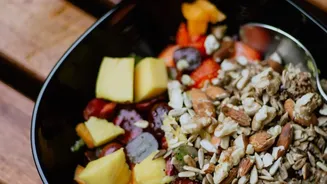
The beauty of a meal prep bowl lies in its simple, customisable formula. Think of it as a four-part structure you can adapt based on what’s in season and what you love. First, start with a solid protein source. Next, add a complex carbohydrate for sustained energy. Third, load up on colourful vegetables for vitamins and crunch. Finally, tie it all together with a flavourful dressing or sauce. This framework ensures your meal is balanced, delicious, and never boring. You can mix and match components each week to keep things interesting while sticking to a system that makes preparation fast and efficient.
Your Plant-Based Protein Stars
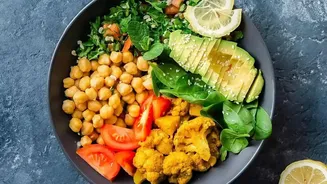
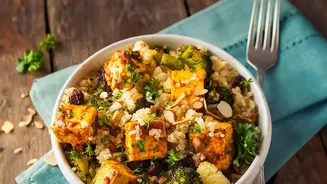
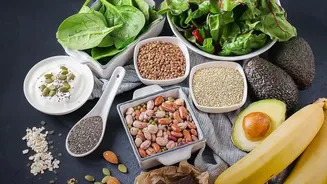
Building a high-protein bowl is easy with the right ingredients. Legumes are a fantastic and affordable choice. Think chickpeas (chana), kidney beans (rajma), and various lentils (dal), which are staples in Indian kitchens and pack a serious protein punch. Soy products like tofu and tempeh are incredibly versatile; tofu can be crumbled, cubed, or pan-seared to add texture and substance. Quinoa stands out as a complete protein, meaning it contains all nine essential amino acids. Don't forget nuts and seeds like almonds, walnuts, and pumpkin seeds, which can be sprinkled on top for extra crunch and a protein boost.
Grains and Veggies for a Balanced Base
For your grain, look beyond white rice. Brown rice, quinoa, and millets like foxtail or pearl millet are excellent choices that provide fibre and a host of nutrients. Batch cooking a large portion of your chosen grain at the start of the week is a huge time-saver. When it comes to vegetables, variety is key. Aim for a mix of colours to maximise your nutrient intake. Combine sturdy cooked vegetables like roasted sweet potato, broccoli, or carrots with fresh, crisp ones like cucumber, bell peppers, and tomatoes. To maintain freshness, it's best to store wetter vegetables like cucumber separately or add them just before eating.
Simple, Flavourful Dressings
A great dressing brings your bowl to life. You can whip up a simple and healthy sauce in minutes. A classic lemon-tahini dressing made from tahini, lemon juice, garlic, and a little water is creamy and delicious. For an Asian-inspired flavour, try a dressing with miso paste, ginger, and a touch of vinegar. A simple vinaigrette with olive oil, apple cider vinegar, Dijon mustard, and a hint of maple syrup is another versatile option. Preparing your dressing in a jar at the beginning of the week and storing it in the fridge makes assembly even quicker. For best results, add the dressing just before serving to prevent your ingredients from becoming soggy.
Your Sunday Prep Strategy
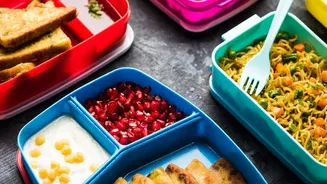
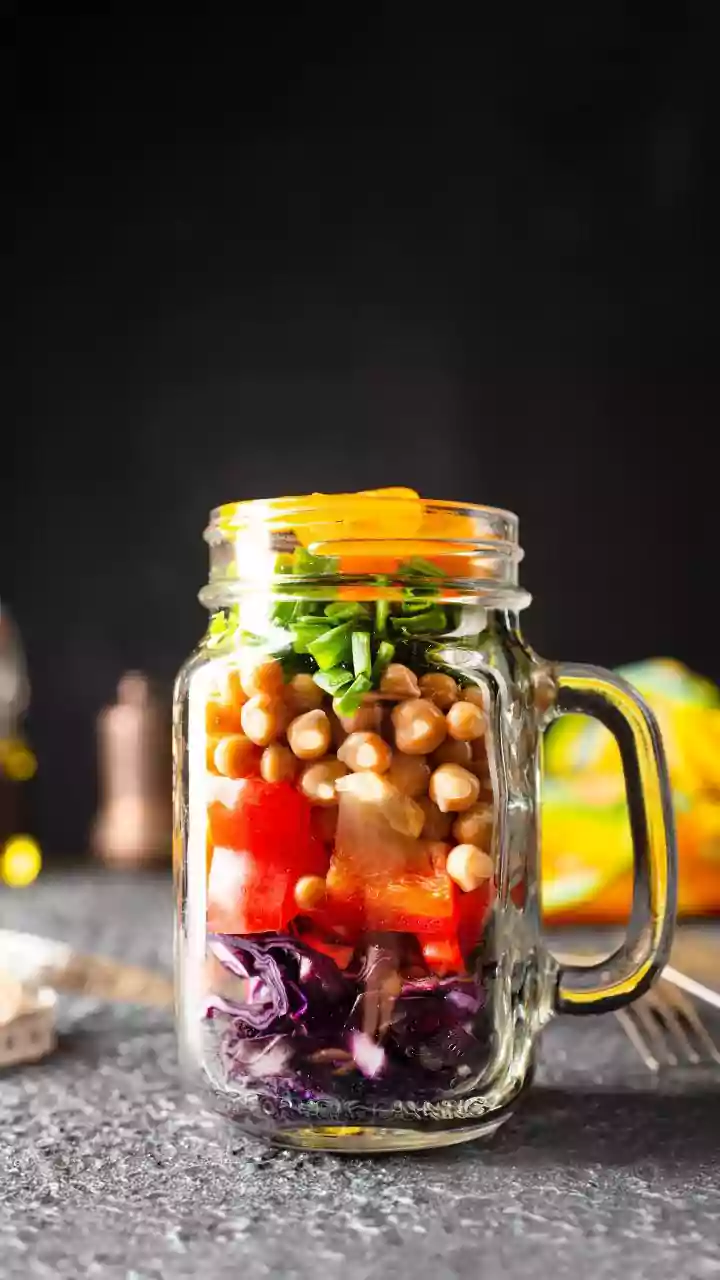
Set aside about an hour on Sunday to get everything ready for the week. First, cook a large batch of your chosen grain. While that simmers, wash and chop your vegetables. Roast or sauté heartier vegetables and pan-fry or bake your tofu. Cook your lentils or beans if you are not using canned versions. Once all your components are cooked and cooled, portion them into airtight containers. You can either assemble full bowls or keep ingredients separate to mix and match daily. Storing components separately, especially dressings and crisp veggies, often yields the best texture.