




The Silent Killer: Root Rot
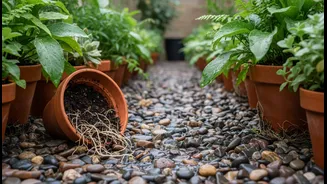
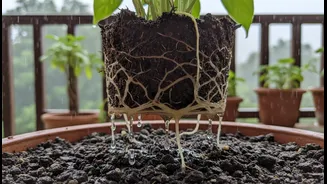
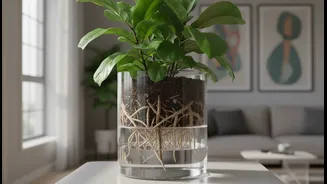
The single greatest threat from waterlogged pots is root rot. Cachepots, which are decorative outer pots without drainage holes, are the primary culprits. When a plant's roots sit in standing water, they are deprived of oxygen and essentially begin to
suffocate. This oxygen-starved environment is perfect for harmful fungi to thrive, attacking the vulnerable roots. Once root rot sets in, the plant can no longer absorb nutrients and water, leading to wilting, yellowing leaves, and eventual death, even though the soil is wet. The soil may even develop a foul, rotten smell.
A Breeding Ground for Pests
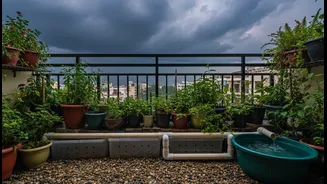
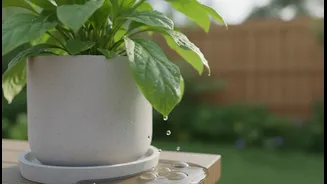
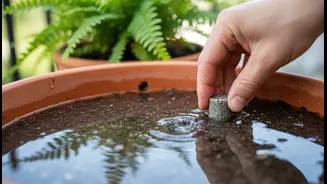
Beyond harming your plants, that stagnant water is a serious health hazard for your family. It creates an ideal breeding ground for mosquitoes, which can transmit diseases like dengue and malaria. Mosquitoes can lay eggs in as little as a teaspoon of water, making the saucer under a pot a perfect nursery. Within a week, a small amount of rainwater can produce a new batch of pests. These damp conditions also attract other nuisances like fungus gnats, which thrive in overly moist soil and can further damage your plant's roots.
Your Post-Storm Action Plan
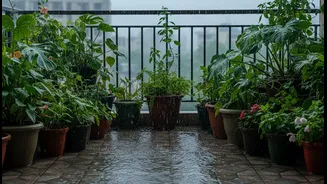
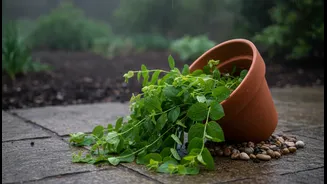
Developing a simple routine after every heavy rain can save your plants and protect your home. First, make a round of all your outdoor plants, paying special attention to any that are in decorative cachepots or sitting on saucers. Carefully tip the pots to pour out any accumulated water. If a pot is too heavy to lift, you can use a turkey baster to suck the excess water out of the saucer. Also, check that the drainage holes of the main pots are not clogged with soil or debris. This quick check, taking only a few minutes, is one of the most effective preventative measures you can take.
Signs of Waterlogging to Watch For
Plants will often give you visual cues when they are suffering from too much water. Be on the lookout for leaves that are turning yellow, especially lower ones. A plant that is wilting despite the soil being wet is a classic sign of root rot. Other indicators include stunted growth, mushy stems near the soil line, and discoloration or spots on the leaves, which could signal a fungal infection. Regularly inspecting your plants helps you catch these problems early before they become irreversible.
Smarter Potting for Better Drainage
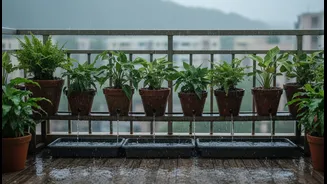
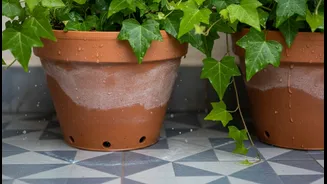
Prevention is always better than cure. When setting up your container garden, choose a well-draining potting mix, often containing perlite or sand, to prevent soil compaction. For plants in cachepots, always remove the inner pot for watering and allow it to drain completely before placing it back. An excellent long-term solution is to elevate your pots. Placing pots on 'feet', bricks, or stands ensures that water can escape freely from the drainage holes and that air can circulate underneath, preventing the pot from sitting directly in a puddle. During the monsoon, consider removing saucers altogether for plants exposed to heavy rain.