





Understanding the Bonalu 2026 Schedule
Bonalu is a month-long festival dedicated to Goddess Mahakali, celebrated during the auspicious month of Ashada Masam. In 2026, the main festivities are spread across four Sundays in July and August. The celebrations traditionally kick off at the Jagadamba
temple in the historic Golconda Fort on the first Sunday, around July 19. The focus then shifts to the Ujjaini Mahakali Temple in Secunderabad and Balkampet Yellamma Temple on the second Sunday, around July 26. The third Sunday, August 2, sees grand celebrations in the Old City of Hyderabad, particularly at the Sri Mahankali Temple in Lal Darwaza. The festival concludes with final rituals on the fourth Sunday, August 9, with a public holiday declared by the Telangana government on August 10 to mark the occasion. These dates anchor the festival, but specific event timings can vary.
Why Temple Timings Can Change
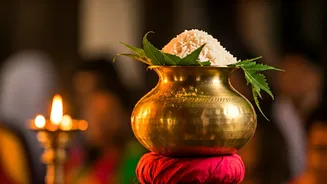
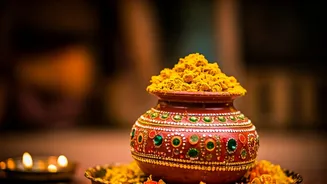
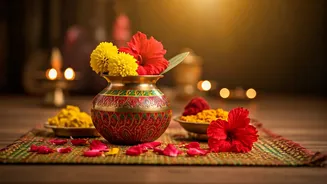
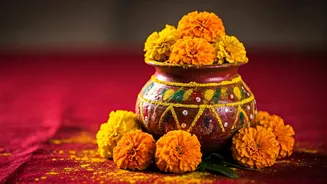
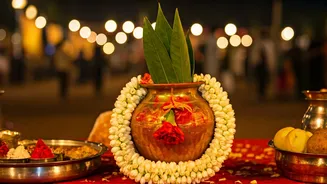
Unlike a fixed daily schedule, temple timings during Bonalu are dynamic for several reasons. The sheer volume of devotees, which runs into the lakhs, often requires staggered entry and crowd management measures that can alter darshan times. Furthermore, the festival involves numerous special pujas and rituals, some of which are performed at specific astrological moments, which may not align with standard temple hours. The arrival of state dignitaries and ministers to present traditional silk robes ('Pattu Vastralu') to the goddess can also lead to temporary holds on public entry. Processions like the 'Ghatam', a decorated copper pot representing the goddess, move between temples, causing rolling changes to access and schedules. These factors make it crucial for visitors to seek the latest information rather than relying on general schedules.
How to Find Accurate Information
For the most reliable updates, your best resources will be local and immediate. The Hyderabad City Police frequently issues traffic and crowd advisories in the days leading up to each Sunday's celebrations. Following their social media channels and paying attention to local Telugu news outlets can provide real-time information on road closures, parking, and temple access. While official temple websites are a good starting point, they may not always reflect last-minute changes. For major events like the Lashkar Bonalu in Secunderabad or the Old City celebrations, police often release detailed plans for traffic diversions and designated parking areas, which indirectly indicate the busiest periods. Commuters and devotees are often advised to start early to avoid peak congestion.
Planning Your Visit: A Practical Guide
Once you have an idea of the timings, practical planning is key. Arriving very early, around 6 or 7 AM, is highly recommended, especially for the major celebrations at Lal Darwaza, as queues can become hours-long by mid-morning. Wear comfortable footwear suitable for walking long distances, as many streets near the main temples are pedestrianised during the festival. Modest, traditional attire is advised, as this is a deeply religious occasion. Hyderabad's weather in July and August can be humid and rainy, so be prepared. Since many roads are closed, using public transport and being prepared to walk the final stretch to the temple is often the best strategy. The Hyderabad Traffic Police helpline (9010203626) can be a valuable resource for on-the-day travel assistance.
Embracing the Key Rituals
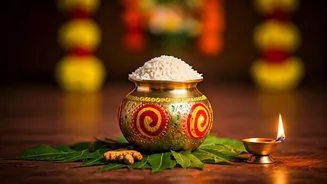
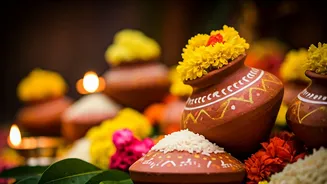
Understanding the core rituals will enrich your visit. The festival's name comes from 'Bonam', an offering of cooked rice with milk and jaggery, which women carry on their heads in pots to offer to the goddess. Another key event is the 'Rangam' or oracle prediction, which takes place on the morning after the main celebrations, most famously at the Ujjaini Mahakali Temple. During this ritual, a woman, believed to be channeling the goddess, foretells the events of the year to come. You will also see 'Pothuraju', the goddess's brother, a bare-chested man who dances through the processions, adding to the festival's unique and vibrant energy. These traditions are central to why Bonalu is not just a religious event but a defining cultural marker for Telangana.