







The Rise of 'Bleisure' Travel
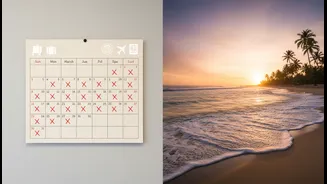
Finishing a work assignment in Bengaluru and then heading to Coorg for the weekend, or extending a conference in Dubai for a few days of desert sun — this is the new face of professional travel in India. A recent study highlighted that 77% of Indian business
travellers have added personal vacation time to a work trip, the highest rate in the Asia-Pacific region. This blend of business and leisure, dubbed 'bleisure', is more than a perk; it's a lifestyle. Driven by flexible work models and a desire for more meaningful travel, professionals are seizing the opportunity to explore a destination once the work is done. Companies often cover the primary flight costs, making it a financially savvy way to see more of the world. But this convenience comes with a hidden risk that many travellers overlook.
The Corporate Policy Gap
The primary assumption professionals make is that the travel insurance provided by their employer covers their entire journey. This is a potentially costly mistake. Most corporate travel insurance policies are designed with a clear, singular purpose: to cover the employee during work-related activities. This coverage typically starts when you leave for the business trip and ends the moment your work obligations are complete. The policy is there to protect the company's interest and fulfill its duty of care while you are 'on the clock'. Once you transition to your personal holiday time, you are often no longer under that protective umbrella, and the company is generally not liable for incidents that occur during your leisure days.
What Could Go Wrong?
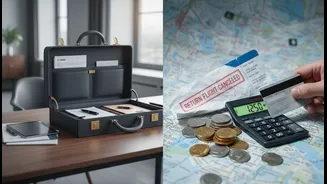
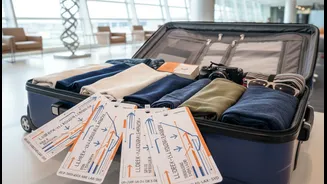
The risks on the leisure portion of a trip are just as real as on the business days, if not more so. A medical emergency is a primary concern. Health insurance provided by your employer back home may offer little to no coverage overseas, and out-of-pocket costs for medical care in many countries can be astronomical. Imagine twisting an ankle while hiking or needing to visit a hospital for a sudden illness on your 'personal' Saturday; without specific coverage, that financial burden falls squarely on you. Beyond medical issues, consider other mishaps: your luggage is stolen from your hotel during your extended stay, or you have to cancel your planned leisure activities due to an emergency. A standard corporate policy will likely not cover these losses, as they occurred outside the business scope of the trip.
Your Pre-Trip Insurance Checklist
To ensure you are fully protected, you need to be proactive before you travel. Don't assume anything. Follow these steps to bridge the insurance gap: 1. Review Your Corporate Policy: Before you even book your personal extension, get a copy of your company's travel insurance policy. Read the fine print. Look specifically for clauses about the duration of coverage and any exclusions related to personal travel or leisure activities. 2. Talk to HR: Schedule a conversation with your HR or travel manager. Clearly state your plans to extend the trip for personal reasons and ask directly what the company's insurance covers and, more importantly, what it doesn't. Some progressive corporate policies may offer limited extensions, but you must confirm. 3. Assess Your Personal Needs: If there's a gap—and there usually is—you'll need to secure your own coverage. This could be a separate single-trip policy just for your leisure days or an annual multi-trip plan if you travel often for both work and pleasure. 4. Choose the Right Personal Policy: When buying your own insurance, ensure it covers your destination and any planned activities. If you plan on adventure sports, make sure that is included. Key coverages to look for are emergency medical expenses, medical evacuation, trip cancellation or interruption, and baggage loss.