








Living in a bustling Indian city comes with a constant hum of energy, but the bright lights that power our lives also wash out the stars. Here’s how you can reclaim a patch of the cosmos, right from the comfort of your own balcony.
Why Stargaze From the City?
It might seem counterintuitive.
With urban skies often ranging from Bortle Scale 7 to 9 (where 9 is the most light-polluted), you might see only a handful of stars compared to the thousands visible from a dark site. But balcony stargazing isn't about discovering new galaxies; it's about connection. It's a moment of quiet wonder, a chance to anchor yourself in a universe far bigger than the city's confines. Watching the Moon's craters slide into view or spotting Jupiter for the first time is a profound experience. It’s accessible, requires no travel, and provides a much-needed digital detox and a reminder of the world beyond our screens and streets.
Your Balcony Stargazing Toolkit
You don't need expensive equipment to start. The best tool is your own eyes. Allow them 20-30 minutes to adapt to the dark, and you'll be surprised what you can spot. For a closer look, a good pair of binoculars (7x50 or 10x50 are great) can reveal Jupiter's moons and detail on our own Moon. If you're ready for a dedicated telescope, focus on aperture (the diameter of the main lens or mirror) rather than magnification promises. A solid, easy-to-use beginner model like a Celestron PowerSeeker 50AZ can be found for around ₹4,000. For a more significant investment that will grow with you, a 76mm reflector like the Startracker 76/700 offers a noticeable jump in what you can see, resolving Saturn's rings and brighter star clusters for under ₹10,000.
Battle the City Lights
Light pollution is the urban astronomer’s biggest challenge, but you can fight back. The most effective step is to create a dark pocket. Turn off all the lights on your balcony and in the adjacent room. If you have intrusive streetlights, try to position yourself where the building blocks their direct glare. A simple, dark-coloured sheet or blanket draped over a clothesline can create a temporary light shield. For telescope users, specialised light pollution filters can help, but for beginners, simply optimising your immediate environment is the best first step. The goal is to prevent any direct light from hitting your eyes or your equipment.
What to Look for This Month
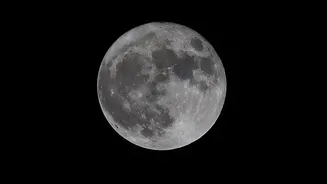
Even in the city, the sky offers regular delights. The Moon is the most rewarding object for any beginner, with its craters, seas, and mountains changing every night. In October 2026, Saturn is a prime target. The planet reached opposition on October 4th, meaning it's at its brightest for the year and visible for most of the night. A basic telescope will show its famous rings. Jupiter is another bright, reliable planet. Keep an eye out for meteor showers like the Draconids (peaking October 8-9) and the Orionids (peaking October 21-22). While city lights will obscure the fainter meteors, you might still catch the brightest streaks. For constellations, start with easy-to-find patterns like Orion (visible in the winter sky) with its distinct three-star belt, or Ursa Major (Saptarishi).
Let Your Phone Be Your Guide
Modern technology can be a huge help. Several free and paid apps turn your smartphone into a portable planetarium. Simply point your phone at the sky, and the app will identify stars, constellations, and planets in real-time. Apps like Stellarium Mobile, Star Walk 2, and SkyView are excellent for beginners, offering user-friendly interfaces and augmented reality features. Many also include calendars for celestial events like meteor showers and conjunctions. For those interested in the Indian system of astronomy, the Bhagol app shows the 27 nakshatras and the Rashi Chakra overlaid on the real sky. Remember to switch your phone to its red-light mode; white light from a screen can ruin your night vision.