




The Rise of the Edible Balcony
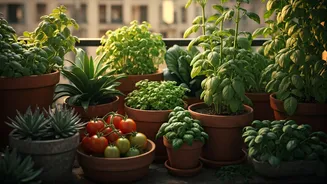
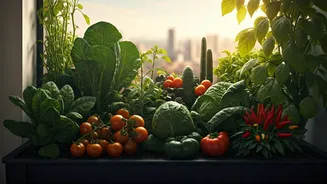
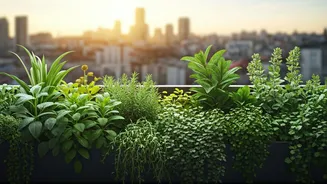
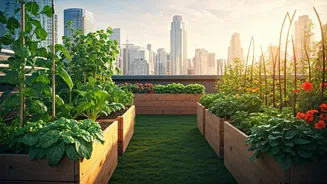
Once, a garden was purely for beauty—a space for fragrant jasmine, vibrant bougainvillea, and auspicious tulsi. Today, a new pragmatism has taken root. Across India’s metros, from Bengaluru’s terraces to Mumbai’s compact balconies, a kitchen garden revolution
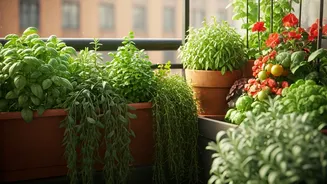
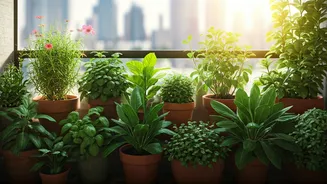
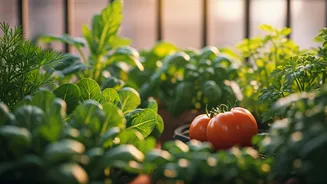
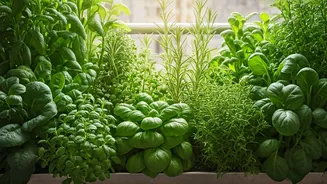
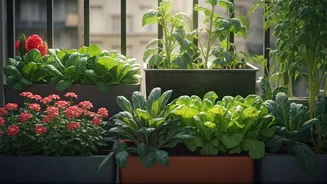
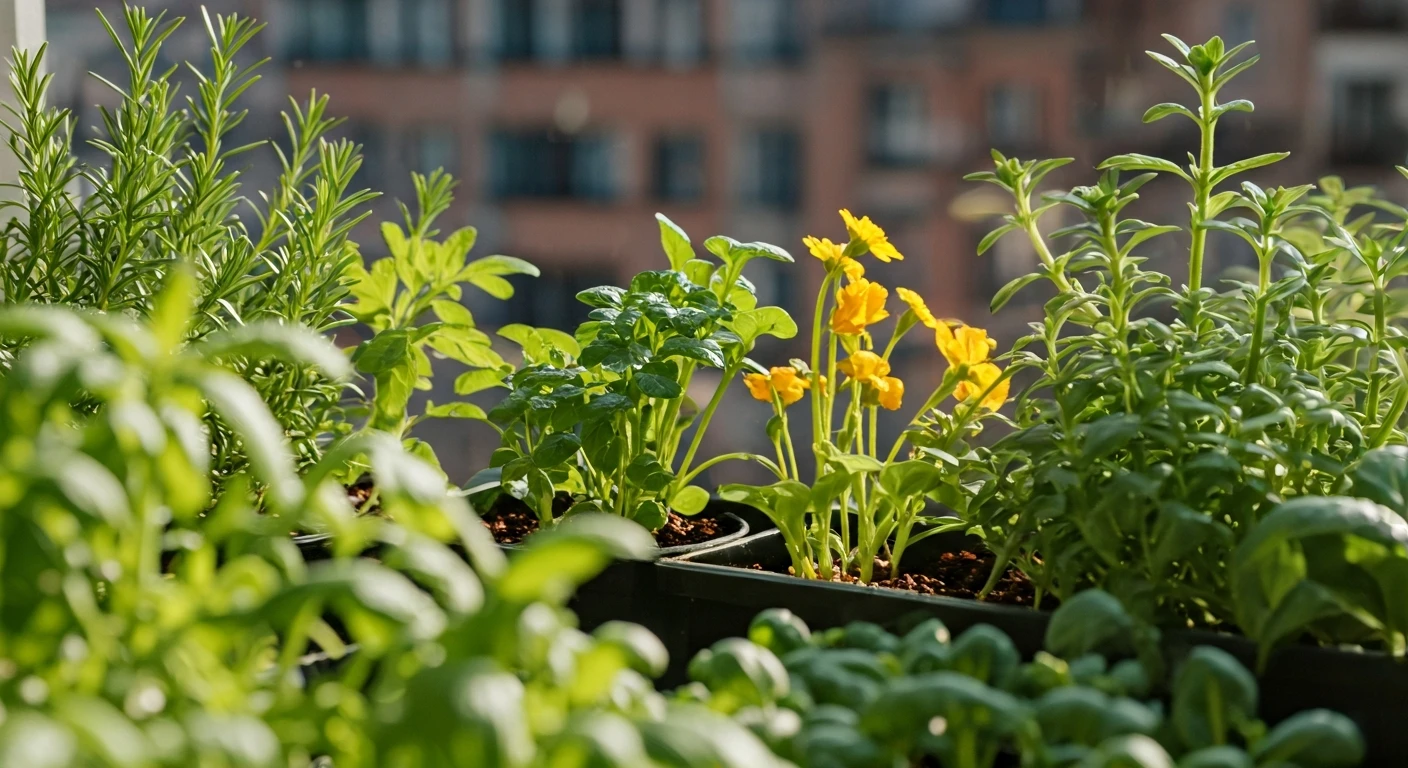
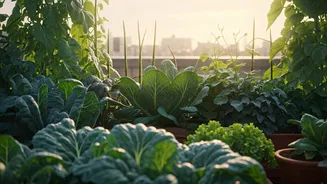
is underway. The shift is driven by a desire for control over what we eat. Concerns about pesticides, a yearning for freshness, and the simple joy of harvesting your own food have turned urban spaces into mini-farms. Window sills are lined with pots of mint and coriander, terraces host trellises heavy with tomatoes and bitter gourd, and grow bags are filled with everything from spinach to chillies. This isn't just a hobby; it's a movement towards self-sufficiency and wellness, proving that you don’t need acres of land to cultivate a healthier life.
Going Vertical: The Space-Saving Solution
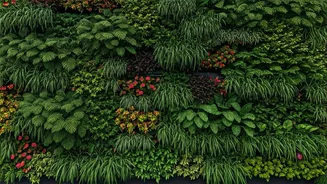
In hyper-dense cities where horizontal space is a luxury few can afford, innovative gardeners are looking up. Vertical gardening has exploded in popularity as the perfect answer to the urban space crunch. These 'living walls' are more than just a clever design hack; they are functional ecosystems that can transform a sterile concrete wall into a lush, green canvas. Using stacked planters, wall-mounted modules, or felt pockets, city dwellers are growing herbs, leafy greens, and ornamental ferns in gravity-defying arrangements. Beyond the aesthetic appeal, these vertical gardens act as natural air purifiers, help cool down buildings, and provide a much-needed patch of green in a concrete jungle. They represent a fundamental shift in thinking: if you can't build out, build up.
Back to the Roots with Native Plants
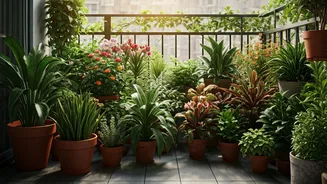
For decades, the ideal Indian garden was often filled with exotic species that required immense care, water, and pesticides to survive in the local climate. That trend is now reversing. A growing environmental consciousness is fuelling a powerful movement towards using native and indigenous plants. Gardeners and landscape designers are rediscovering the beauty and resilience of local flora—plants that are naturally adapted to the region's soil, rainfall patterns, and temperature. These native species, from hardy grasses to regional flowering shrubs, require less water, support local biodiversity by attracting native birds and insects, and are far more resilient to pests. This shift is about creating gardens that are not just beautiful, but are also in harmony with their surrounding ecosystem.
The Water-Wise Garden
As water scarcity becomes an increasingly urgent issue across the country, the concept of a thirsty, green lawn is becoming obsolete. Enter xeriscaping—a design philosophy focused on creating beautiful, thriving gardens that require minimal water. This isn't about creating barren, rocky landscapes. Instead, it involves using drought-tolerant plants like succulents, cacti, and hardy native perennials, grouped together according to their water needs. Techniques like mulching to retain soil moisture, using gravel or pebbles instead of grass, and installing efficient drip irrigation systems are central to this approach. The modern Indian garden is becoming smarter and more responsible, proving that sustainability and stunning aesthetics can go hand in hand.
Technology in the Terracotta Pot
Gardening may be an ancient pastime, but its modern incarnation is decidedly tech-savvy. A new generation of gardeners is leveraging technology to make their green spaces smarter and more efficient. Smartphone apps help identify plants and diagnose diseases with a quick photo. Self-watering containers and automated drip irrigation systems, controlled via a mobile app, ensure plants get the perfect amount of hydration even when the owner is away. Soil moisture sensors alert you when it's time to water, taking the guesswork out of plant care. This fusion of nature and technology is making gardening more accessible, especially for beginners who might feel intimidated by the learning curve. It’s gardening for the digital age, where data helps cultivate a better, healthier patch of green.