

The Allure of Post-Monsoon Travel
The period immediately following the monsoon is often considered one of the best times to travel in India for several reasons. The dust and haze are washed away, revealing crisp, clear skies ideal for photography and sightseeing. Landscapes, parched from
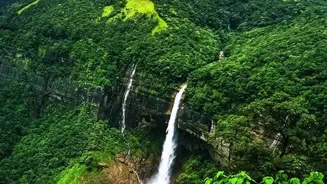
the summer heat, are now draped in lush, vibrant shades of green. Waterfalls, lakes, and rivers, replenished by the rains, are at their most spectacular. This season also offers pleasant weather, with comfortable daytime temperatures before the chill of winter sets in, especially in North India. For travellers, it’s a sweet spot that combines stunning scenery with fewer crowds and better deals, as it falls just before the peak tourist season kicks in.
1. The Lush Hills of the Western Ghats
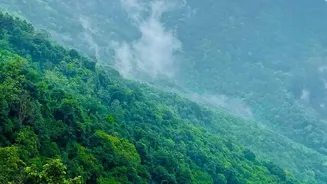
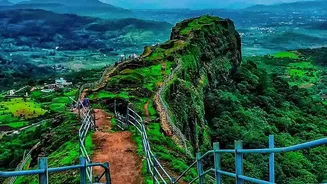
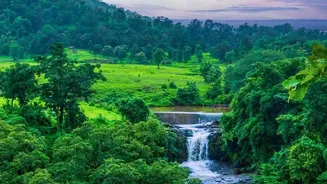
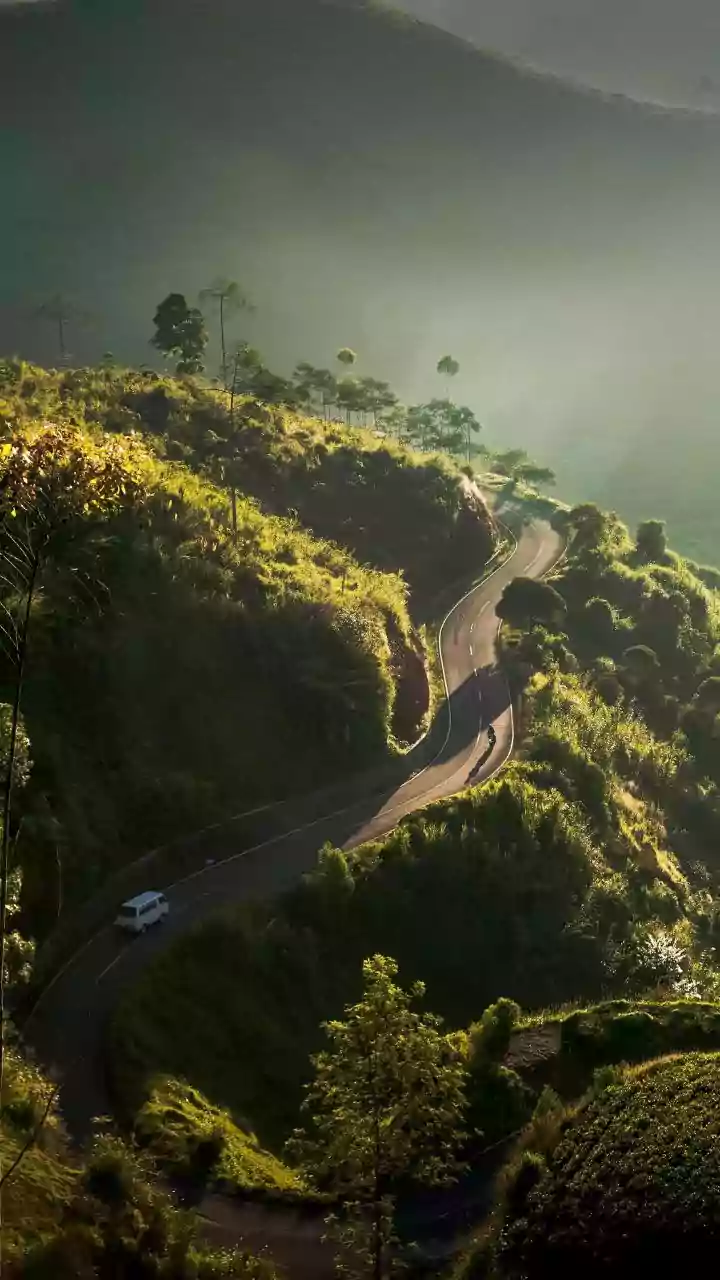
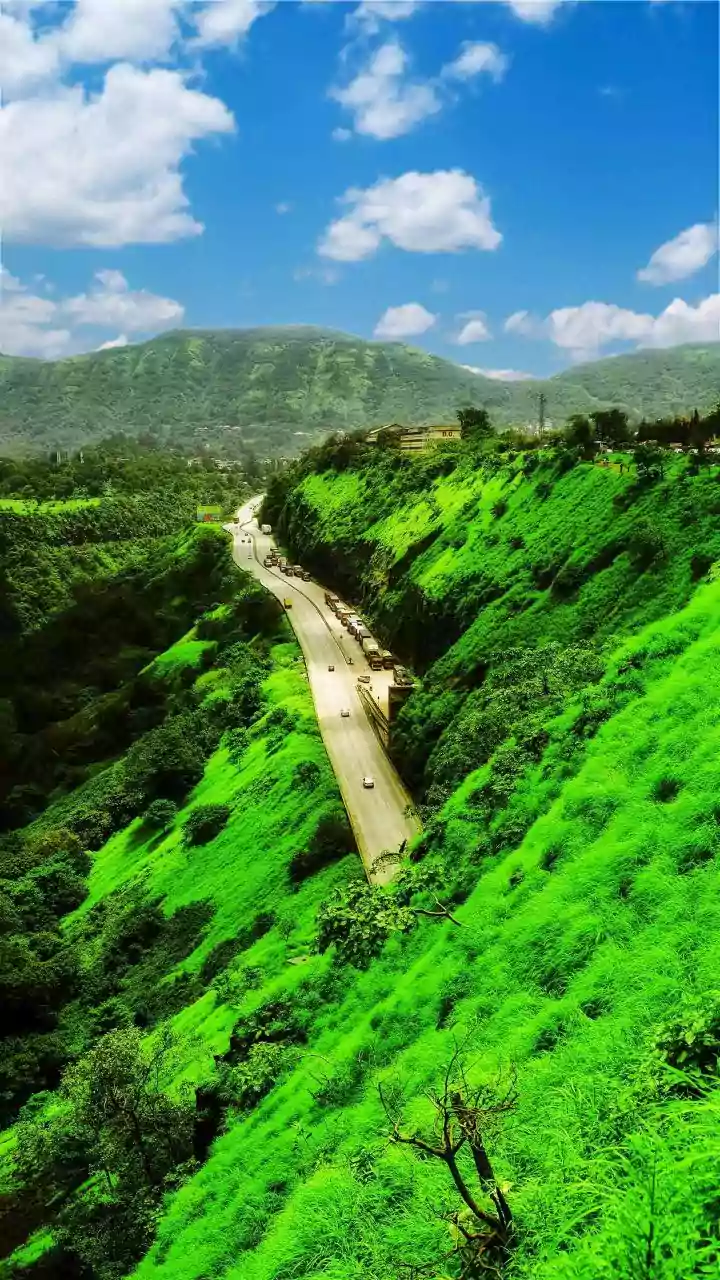
The Western Ghats, running parallel to India's west coast, become a paradise of greenery after the rains. Hill stations in Kerala, Karnataka, and Maharashtra shed their monsoon mists to reveal rolling hills, full-flowing waterfalls, and thriving coffee and spice plantations. Destinations like Wayanad and Coorg are particularly captivating during this time. In Wayanad, the post-monsoon months of October and November are perfect for trekking to Chembra Peak or visiting the majestic Meenmutty Waterfalls without the constant downpour. Similarly, Coorg, often called the 'Scotland of India', offers misty mornings, scenic drives through coffee estates, and the thunderous beauty of Abbey Falls. The air is fresh, fragrant with wet earth and blooming flora, making it ideal for those looking to slow down and reconnect with nature.
2. The Golden Landscapes of Hampi
While known for its magnificent ruins, Hampi in Karnataka offers a unique natural charm post-monsoon. The Tungabhadra River flows with renewed vigour, and the surrounding boulder-strewn landscape is interspersed with fresh greenery and golden-green paddy fields. The weather from October onwards becomes pleasant and cool, perfect for exploring the vast UNESCO World Heritage Site on a bicycle or on foot. The dramatic sunsets over Hemakuta Hill, with the granite boulders glowing against a clear sky, are a sight to behold. This season allows you to experience the grandeur of the Vijayanagara Empire's capital without the scorching heat of summer or the disruptions of heavy rain, making it an excellent time for both history buffs and nature lovers.
3. The Serene Valleys of the Northeast
India's Northeast transforms into an emerald jewel after the monsoons. In Arunachal Pradesh, Ziro Valley becomes particularly inviting. Famous for its unique Apatani cultural landscape of wet rice cultivation, the valley is a patchwork of vibrant green fields framed by pine-clad mountains. The post-monsoon period, especially September and October, offers clear blue skies and comfortable weather, ideal for village walks and photography. September also famously hosts the Ziro Festival of Music, drawing enthusiasts from all over. The clear atmosphere and lush scenery make it a perfect escape for those seeking tranquility and a deep cultural and natural experience far from the urban hustle.
4. The Himalayan Foothills Reawakened
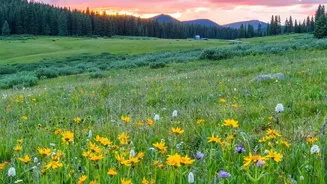
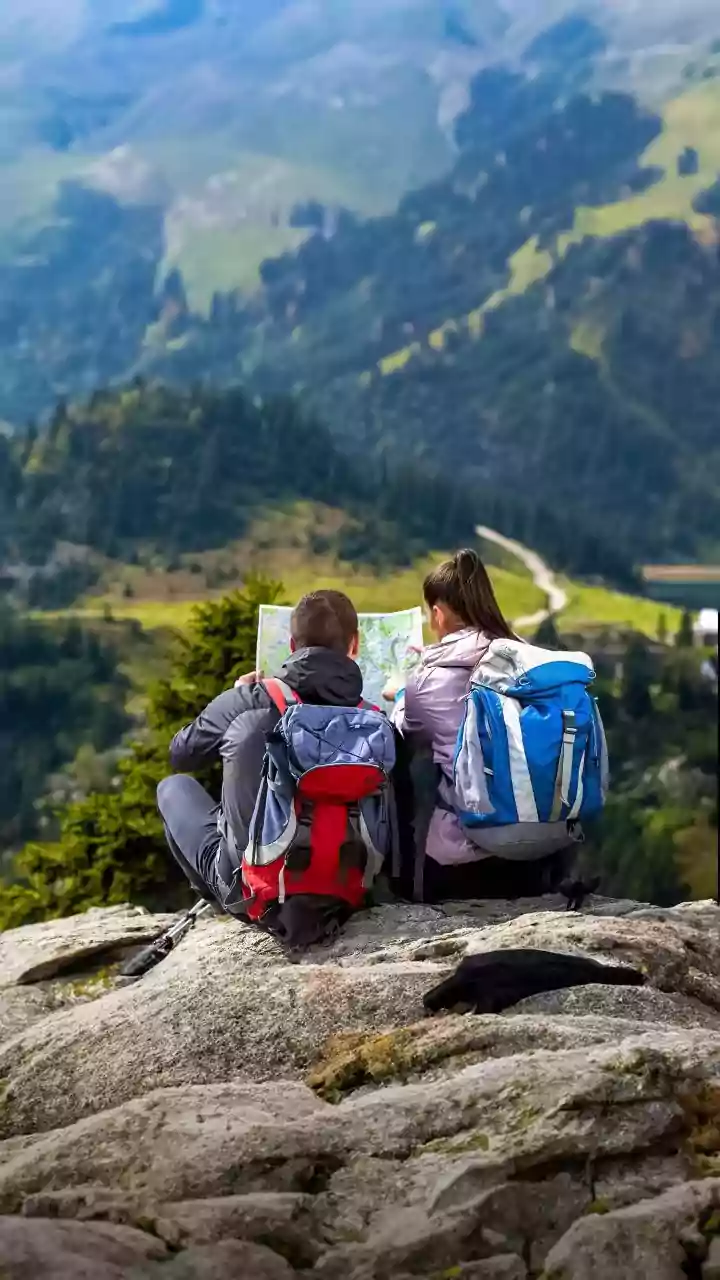
For trekking enthusiasts, the post-monsoon season is prime time in the Himalayas. As the rains subside, the trails in states like Uttarakhand and Himachal Pradesh become accessible again. The atmosphere is exceptionally clear, offering stunning, unobstructed views of snow-capped peaks against deep blue skies. The valleys are lush, and the alpine meadows are often still dotted with late-blooming wildflowers. Treks like the one to the Valley of Flowers in Uttarakhand, which is open until early October, showcase a phenomenal range of flora. The weather is generally stable, with warmer days than the approaching winter, making for a safer and more pleasant trekking experience.