


The Microbial Orchestra
At its heart, fermentation is a metabolic process where microorganisms like bacteria and yeast break down sugars and carbohydrates into other compounds like acids, gases, or alcohol. This transformation is what gives fermented foods their characteristic
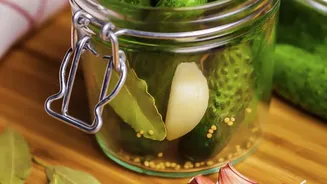
tangy, sour, and sometimes funky flavours. The specific types of microbes present, known as fermentation-associated microbes (FAM), are the primary conductors of this flavour orchestra. For example, lactic acid bacteria (LAB) are the stars in foods like dahi, sauerkraut, and kimchi, producing the lactic acid that delivers that classic sour taste. In contrast, yeasts like Saccharomyces cerevisiae take the lead in making bread and beer, converting sugars into alcohol and carbon dioxide. Whether a food is fermented using a starter culture (like yogurt) or wild microbes from the environment (like traditional sauerkraut), the microbial community determines the foundational flavour profile.
The Starting Ingredients
The raw materials you start with provide the fuel for fermentation. The type and quality of the base ingredient—be it cabbage, milk, tea, or soybeans—creates the canvas upon which the microbes work their magic. These ingredients contain the initial sugars and proteins that the microbes will metabolize. Naturally, a ferment made from sweet cabbage will taste different from one made with bitter mustard greens. The microbes transform these base ingredients, but they can't create flavours out of thin air. The original compounds in the vegetable, fruit, or grain are the building blocks for the new, complex flavours that develop during the process.
The Crucial Role of Salt and Sugar
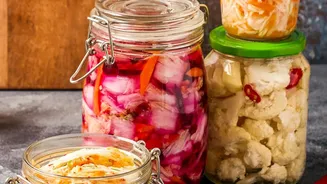
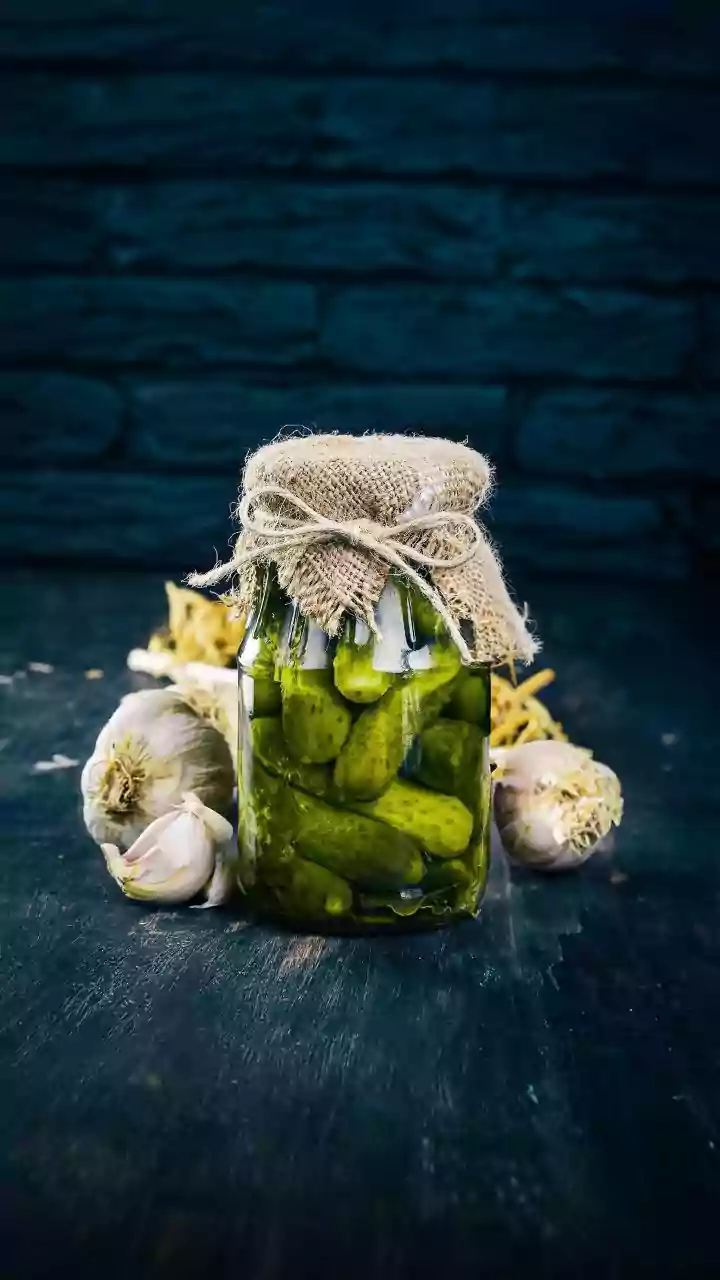
Salt and sugar are not just seasonings; they are powerful tools that shape the fermentation process. Salt is essential in most vegetable ferments because it inhibits the growth of undesirable spoilage bacteria while allowing beneficial, salt-tolerant lactic acid bacteria to thrive. It also draws water out of the vegetables, creating a brine that further protects the ferment. The amount of salt is critical—too little can lead to spoilage, while too much can slow or halt fermentation entirely. Sugar, on the other hand, serves as direct food for yeast and bacteria. In yeast-based ferments like kombucha or wine, sugar is converted into alcohol and acids. In vegetable ferments, the natural sugars present are consumed, but adding extra sugar is generally avoided as it can favour the wrong kinds of microbes and lead to an alcoholic, rather than acidic, outcome.
The Influence of Time and Temperature
Time and temperature are two of the most significant variables in any fermentation project. Temperature directly affects how quickly the microbes work. Warmer temperatures speed up fermentation, which can lead to a quicker, more aggressive sourness. However, if it gets too hot, you risk killing the beneficial microbes or encouraging the growth of undesirable ones, resulting in off-flavours. Cooler temperatures slow the process down, allowing for a more gradual development of complex and nuanced flavours. Many experts agree that a slow, cool ferment often yields a superior product. The length of the fermentation also plays a huge part. A young ferment will taste fresh and lightly tangy, while one that has been aging for weeks or months will develop deeper, more mellow, and more complex flavours as the microbes continue to break down compounds over time.
The 'Terroir' of Your Kitchen
Finally, there's the intangible element often referred to as 'terroir'—a term borrowed from winemaking that describes the environmental factors influencing a final product. Every kitchen has its own unique micro-environment, teeming with wild yeasts and bacteria in the air and on surfaces. When you make a 'wild' ferment without a commercial starter culture, you are inviting these local microbes to the party. This is why a sourdough starter from San Francisco tastes different from one in Mumbai; they are populated by different strains of local microorganisms. Even the microbes on the hands of the person making the food can contribute to the final flavour profile, making each batch a truly unique creation tied to its specific place and maker.