







The Obvious Danger: A Tripping Hazard
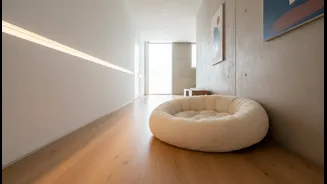
The most immediate reason to clear main pathways is human safety. A pet bed, no matter how soft, becomes a significant tripping hazard when placed in a walkway. This is especially true at night, in low-light conditions, or when you’re carrying groceries
and your line of sight is obstructed. For households with older adults, young children, or individuals with mobility challenges, the risk of a fall is even greater and can lead to serious injury. Kitchens and hallways are particularly dangerous zones for this reason. Keeping primary walking routes completely clear is a fundamental principle of a safe home, and that includes finding a better, out-of-the-way spot for your furry friend's resting place.
Your Pet’s Peace of Mind
Beyond the physical risk to humans, placing a bed in a high-traffic area can be stressful for your pet. Dogs and cats are instinctively drawn to safe, den-like spaces where they can relax without being on high alert. A bed located in the middle of household activity means your pet may be constantly disturbed by foot traffic, noise, and general chaos. This can prevent them from getting deep, restorative sleep and may increase anxiety, especially for nervous or timid animals. A pet that is constantly startled or stepped over may become irritable or defensive. A dedicated safe space, away from the hustle and bustle, tells your pet that they have a secure retreat where they can unwind peacefully.
The Principles of Perfect Placement
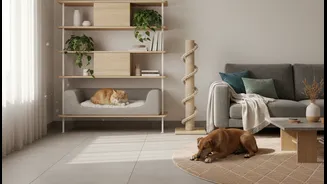
So, where should the bed go? The ideal location balances your pet's need for security with their desire to be near their family. The best spots are typically in a quiet, low-traffic corner of a room where you spend a lot of time, such as a living room or home office. Placing the bed against a wall or in a corner can provide a sense of security, as it mimics the protected feeling of a den. It’s also wise to avoid placing beds near drafty doors, under loud air vents, or right next to a radiator to ensure a stable temperature. The goal is to create a peaceful sanctuary that feels integrated with family life, not isolated from it.
Ideal Locations for Your Pet's Bed
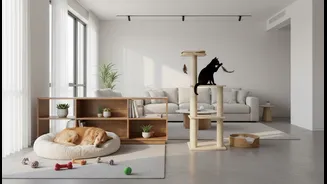
Putting these principles into practice, here are some excellent spots to consider. A corner of the living room allows your pet to be near the family without being underfoot. In the bedroom, placing their bed next to yours can provide comfort and security, especially for anxious pets, while still giving them their own space. If you work from home, a spot in your office is another great choice, as it lets your companion rest nearby throughout the day. Some creative pet owners even utilize the unused space under a staircase or build a bed into an alcove or piece of furniture, creating a stylish and permanent den. The key is to observe where your pet naturally gravitates to rest and try to place their bed there.
Solutions for Smaller Spaces
Living in a smaller home doesn't mean you have to compromise on safety or comfort. In tight quarters, using a corner is the most effective strategy to keep walkways clear. You can also consider furniture that pulls double duty, such as an end table with a built-in pet bed underneath or an ottoman that contains a sleeping nook. Elevated or raised beds can also be a good option, as they create a defined space and can sometimes feel more secure for a pet. For dogs, crate training can be a fantastic solution, as a crate with a comfy bed inside serves as the ultimate safe den and can be placed neatly against a wall. When properly introduced, a crate becomes a personal sanctuary your dog will voluntarily retreat to.