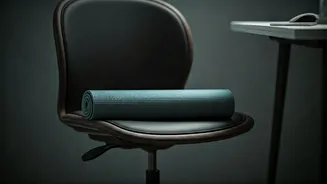






The Real Risks of Sitting Still
The phrase “sitting is the new smoking” has gained traction for a reason. A sedentary lifestyle, common in desk jobs, is linked to a host of health problems. When you sit for extended periods, your metabolism slows, and your body's ability to regulate
blood sugar and blood pressure is affected. This can increase the risk of cardiovascular disease, type 2 diabetes, and obesity. But the impact isn't just metabolic. Prolonged sitting puts immense strain on your musculoskeletal system, leading to chronic neck and back pain, stiff joints, and poor posture. Your hip flexor muscles can shorten over time, causing tightness and discomfort when you walk. Even regular gym-goers aren't immune; studies show that hours of sitting can counteract the benefits of a daily workout, making small, frequent movement breaks throughout the day essential.
At-Your-Desk Defence: Micro-Stretches
You don't need to break a sweat to combat the effects of sitting. Micro-movements and simple stretches can be done right in your chair, even while listening in on a call. The goal is to gently loosen tight muscles and encourage blood flow. Try these simple stretches: Neck Tilts: Gently tilt your right ear toward your right shoulder, hold for 15 seconds, and repeat on the left side to ease neck stiffness. Shoulder Rolls: Lift your shoulders up towards your ears, then roll them backward in a circular motion. Repeat 5-10 times to release tension in your upper back. Chest Opener: Clasp your hands behind your back, straighten your arms, and gently lift them until you feel a stretch across your chest. This counteracts the slouched posture we often adopt at a desk. Wrist Stretches: Extend one arm with the palm facing up. With your other hand, gently pull the fingers back towards your body and hold. This helps prevent stiffness from typing.
Maximise the Gap: Exercises Between Calls
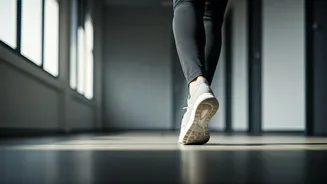
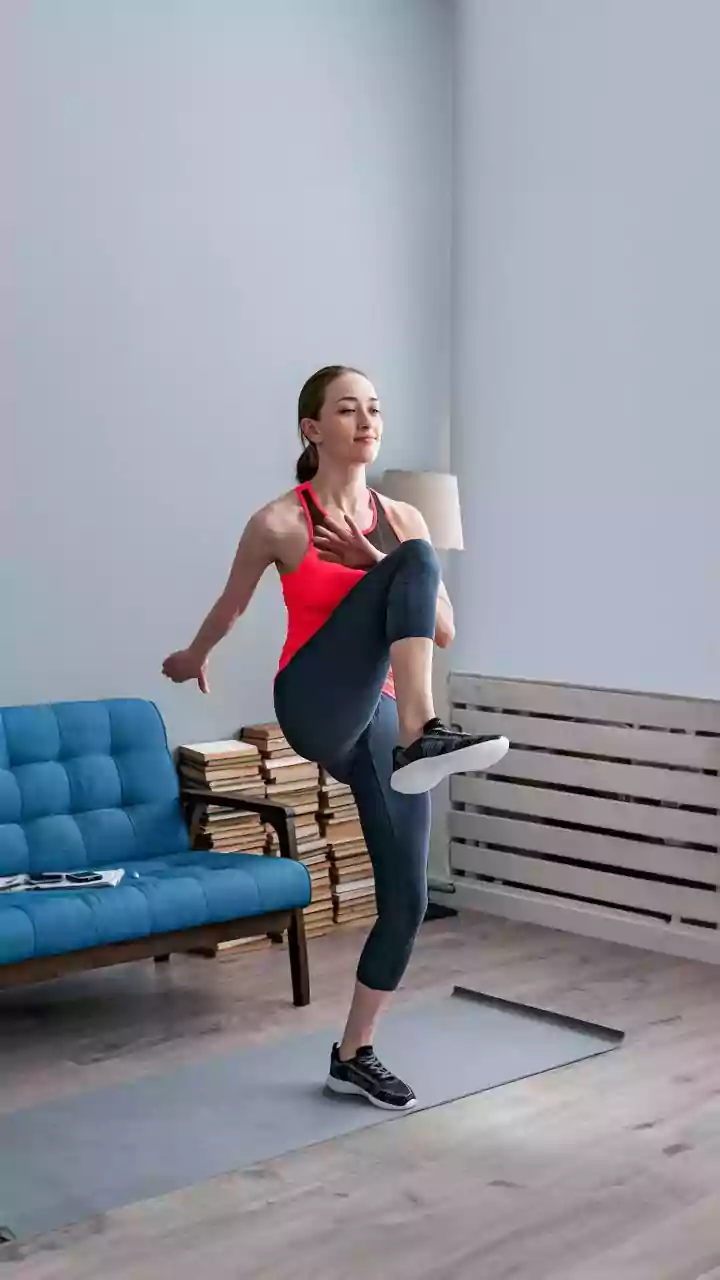
The five or ten minutes you have between meetings are a golden opportunity for more dynamic movement. Stepping away from your desk can reset both your body and your mind. Consider these quick exercises that require no special equipment: Chair Squats: Stand up from your chair and sit back down slowly, without using your hands for support. Aim for 10-15 repetitions to activate your glutes and leg muscles. Desk Push-Ups: Stand facing your desk and place your hands on the edge, slightly wider than your shoulders. Step back so your body is in a straight line and perform 10-15 inclined push-ups. Walking: Simply walking around your office or home is incredibly effective. It boosts circulation, improves focus, and can even spark creativity. If you have a call that doesn't require you to be on video, use a headset and pace around the room. Standing Leg Stretches: Use your desk for balance and stretch your quads by grabbing your foot and pulling your heel toward your glute.
Build a Habit of Movement
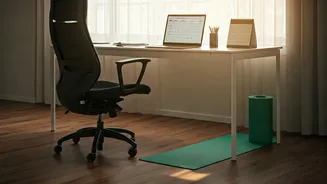
The key to long-term success is integrating these movements into your daily routine until they become second nature. Technology can be your ally here. Set a timer or use an app that reminds you to stand up and move for a few minutes every hour. Small environmental changes can also make a big difference. If possible, consider a standing desk to alternate between sitting and standing throughout the day. Even simple adjustments, like placing your water bottle across the room to force you to get up, can add more steps to your day. Find a colleague to be your movement buddy; social support can increase motivation and accountability. You could even suggest turning some meetings into walking meetings to get the whole team active.