







More Than Just Counting Sheep
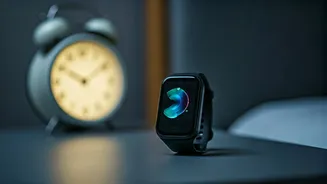
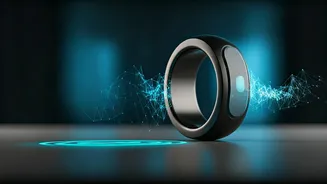
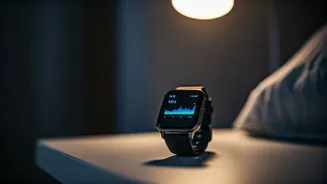
Not long ago, the best measure of a good night's rest was whether you felt tired the next day. Today, a whole suite of technology offers a far more granular view. Modern sleep tracking, available through wearables like smartwatches and rings, uses sensors
to monitor movement, heart rate, and body temperature. This data is then analysed by AI-powered algorithms to estimate not just how long you slept, but the quality of that sleep. These devices break down your night into different stages: light, deep, and REM sleep, each crucial for different aspects of physical and mental recovery. Waking up to a 'sleep score' gives users a simple, digestible metric to understand a complex biological process, turning the mystery of sleep into a daily report card.
The Gamification of Rest
A key reason for the trend's popularity is its use of gamification. By presenting sleep as a score to be improved, trackers tap into our natural desire for achievement and progress. Waking up to see you’ve hit a new record for deep sleep or achieved a 90+ sleep score provides a hit of dopamine, motivating you to repeat the behaviours that got you there. This turns sleep into a game you can win. Apps and devices use points, badges, and streaks to encourage consistent bedtimes and healthy habits. This transforms what was once a passive activity into an engaging, interactive project, making the prospect of going to bed on time more appealing.
Connecting Sleep to Daily Performance
The trend isn’t just about ‘winning’ at sleep; it’s about winning at life. Users are increasingly connecting the dots between their sleep data and their daytime performance. A high sleep score is often correlated with feeling more energised, focused, and productive the following day. People are using their sleep data to fine-tune their routines, experimenting with different bedtimes, dietary changes, or evening habits to see how it impacts their scores and, consequently, their waking hours. This sense of control is empowering. It allows individuals to see tangible proof that small lifestyle adjustments can lead to better recovery and mental clarity, moving sleep from an afterthought to a foundational pillar of their wellness strategy.
A Word of Caution: Orthosomnia
While the benefits are compelling, the trend has a potential downside. Experts have identified a new phenomenon called 'orthosomnia', an obsession with achieving perfect sleep based on tracker data. This quest for a perfect score can paradoxically create anxiety and stress around bedtime, making it harder to fall asleep. People with orthosomnia may trust their device's data more than how they actually feel, leading to worry and frustration over 'bad' scores. It is important to remember that consumer sleep trackers are not medical devices and their accuracy in distinguishing sleep stages can be limited. They are best used as a guide to identify general patterns, not as a definitive diagnostic tool.