
Don't Mistake Fasting for Starving
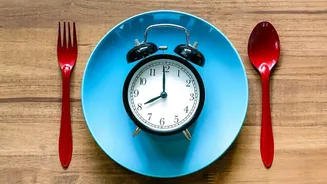
One of the most common mistakes during Sawan vrat is to starve all day and then overeat one heavy meal. Nutritionists advise having small, frequent, and light meals instead. This approach helps maintain balanced energy levels and prevents sharp drops
in blood sugar that lead to fatigue and dizziness. Rather than relying on a single meal after sunset, plan to have fruits, a handful of nuts, or a glass of milk during your fasting window, if your tradition permits. This strategy keeps your metabolism active and prevents the extreme hunger that often results in poor food choices later.
Prioritise Protein for Sustained Energy
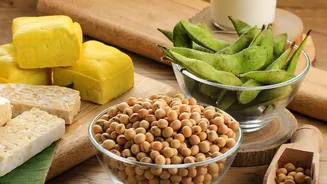
Many traditional vrat foods are high in carbohydrates but low in protein. While carbs from sources like sabudana and potatoes provide a quick burst of energy, it's protein that ensures you feel full and energetic for longer. Protein helps to stabilize blood sugar, preserve muscle mass, and reduce hunger pangs. Excellent vrat-friendly protein sources include paneer (cottage cheese), Greek yogurt or homemade curd, milk, and amaranth (rajgira). You can have grilled paneer, a bowl of curd, or a smoothie to ensure you’re getting enough of this vital nutrient.
Choose Your Carbs Wisely
Not all carbohydrates are created equal. During Sawan fasts, it’s easy to load up on deep-fried kuttu puris, sabudana vadas, and potato chips. While permitted, these fried and starchy foods can cause sluggishness and bloating. Nutrition experts suggest choosing complex carbohydrates that provide sustained energy. Opt for baked or roasted sweet potatoes, boiled arbi, or dishes made with samak rice (barnyard millet) and rajgira (amaranth) flour. These foods are also rich in fibre, which aids digestion and promotes a feeling of fullness.
Stay Hydrated All Day Long
Dehydration is a common cause of fatigue and headaches during fasting. Especially during the humid monsoon weather of Sawan, it’s crucial to keep your fluid intake high during the hours you are allowed to eat and drink. Sip on water consistently. Other excellent hydrating options include coconut water, which replenishes electrolytes, fresh fruit juices (without added sugar), buttermilk (lassi), and lemon water. It's best to avoid or limit caffeine and sugary drinks, as they can contribute to dehydration.
Incorporate Healthy Fats and Nuts
Healthy fats are essential for providing steady energy and helping you feel satisfied during long fasting hours. Including a handful of nuts and seeds in your diet is an easy way to achieve this. Almonds, walnuts, and peanuts are great choices. You can eat them as a snack or add them to other dishes like fruit chaat or kheer. Roasted makhana (fox nuts) are another fantastic option; they are light, crunchy, and a good source of nutrients. A spoonful of ghee with your meals is also a traditional and healthy way to add good fats.
Plan Your Snacks Smartly
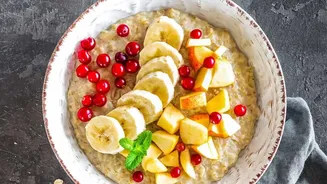
Snacking is key to keeping your energy levels stable, but it's important to choose the right kinds of snacks. Instead of reaching for packaged vrat-friendly chips, opt for whole foods. A bowl of fresh fruit chaat provides vitamins, fibre, and natural sugars for an instant energy lift. A mix of dry fruits and nuts offers a combination of healthy fats and protein. Other great options include a bowl of yogurt, roasted makhana, or a sweet potato chaat. These snacks are nutrient-dense and will prevent you from feeling lethargic between meals.