



The Myth of 'Prep Time'
One of the biggest culprits behind this time discrepancy is the murky definition of “prep time.” For professional recipe developers, this often assumes a state of perfect readiness known as mise en place—a French term for having all your ingredients prepped
and ready to go before cooking starts. The time estimate begins with the assumption that your onions are already chopped, your spices are measured, and your butter is at room temperature. However, for a home cook, “prep time” includes finding the ingredients in the pantry, washing vegetables, peeling, chopping, and measuring everything out. These tasks, which are second nature to a professional, can add significant time for the average person.
The Professional Skill Gap
Recipe writers are almost always professional cooks who are incredibly efficient in the kitchen. Years of practice mean they can chop an onion or mince garlic in a fraction of the time it takes a regular home cook. What takes them five minutes might realistically take someone else 10 or 15 minutes. This isn't a failing on the part of the home cook; it's simply a difference in experience and muscle memory. Recipe developers often underestimate these times because their own speed is their baseline, leading to timelines that feel unrealistic for many.
Not All Kitchens Are Created Equal
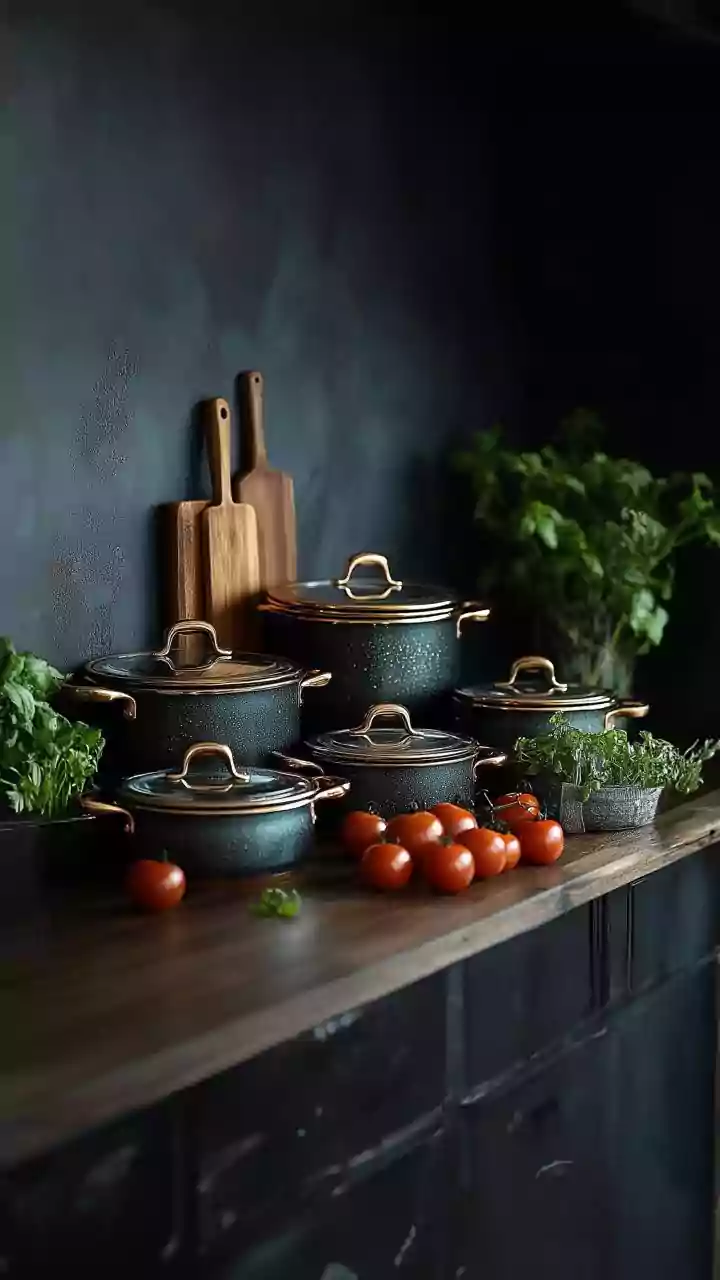
Beyond skill, physical differences in kitchens play a huge role. Your oven might take longer to preheat, or its temperature might not be perfectly calibrated, adding unexpected minutes to baking. The power of your stovetop burner, whether it's gas or electric, can drastically change how long it takes to sauté onions or bring water to a boil. Even the material and size of your pots and pans can affect cooking duration; a smaller, deeper pot will cook things slower than a wider, shallower one due to less surface area. Recipe writers test in their own specific environment, which can never fully match yours.
The Time You Don't See
Many recipes conveniently omit the time spent on less glamorous tasks. This includes the time it takes for water to boil, for an oven to preheat, or for meat to rest after cooking. Then there’s the biggest hidden time cost of all: cleanup. Unpacking ingredients, washing multiple bowls, cleaning the cutting board, and scrubbing pans can easily add another 10 to 15 minutes to your total kitchen commitment, but it's almost never factored into the enticing “30-minute meal” headline.
How to Read Recipes Realistically
Instead of feeling frustrated, you can learn to read recipes with a more critical eye. A good first step is to read the entire recipe from start to finish before you begin. Pay close attention to the ingredients list; if you see items like “one onion, chopped,” factor in the time it will take you to actually chop it. As a general rule, it’s wise to add at least 15 minutes to any new recipe you're trying. More importantly, cook to indicators, not to time. When a recipe says “sauté for 3-5 minutes or until golden brown,” the visual cue is far more important than the clock.