


The Konkan Railway: A Lifeline on the Coast
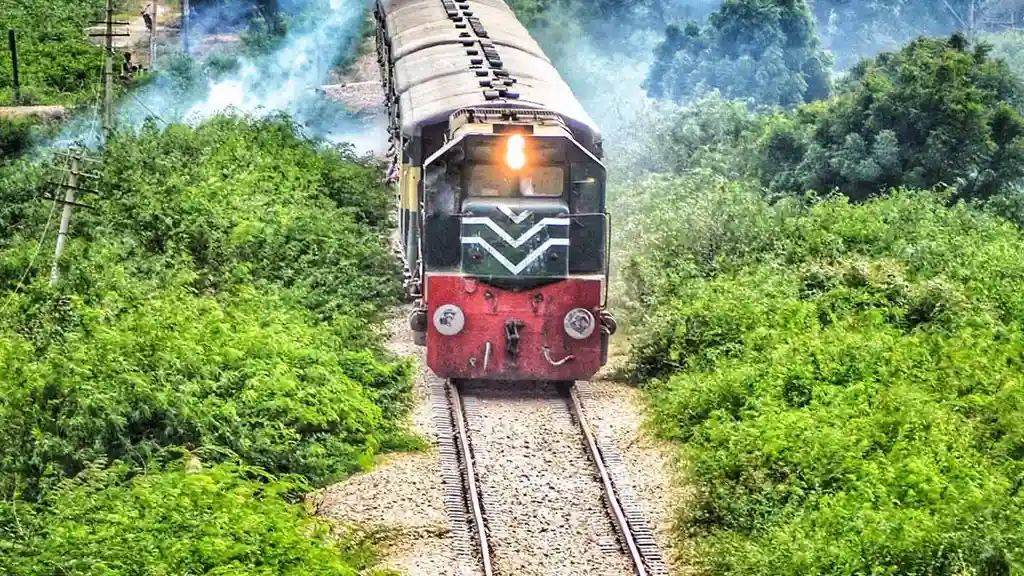
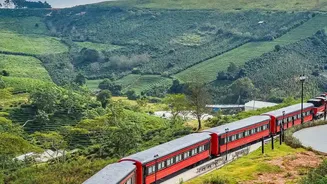
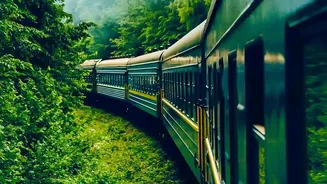
Stretching over 750 kilometres along India's western coastline, the Konkan Railway is an engineering marvel celebrated for its spectacular views. The line cuts through the lush Western Ghats, crossing over 2,000 bridges and passing through more than 90
tunnels, offering passengers breathtaking sights of rivers, valleys, and the Arabian Sea. During the monsoon, the landscape transforms into a vibrant green paradise with countless waterfalls. But beyond its beauty, the Konkan Railway is a crucial transport artery. Operational since 1998, it dramatically reduced travel time and distance between major cities like Mumbai and Mangalore, connecting Maharashtra, Goa, and Karnataka. For many living in the Konkan region, it has become the preferred mode of transport, offering an affordable, safe, and comfortable alternative to the highways. It has not only boosted tourism but also played a significant role in connecting coastal communities, facilitating trade, and enabling daily commutes for work and education.
Kerala's Backwaters: Ferries as a Way of Life
The serene backwaters of Kerala, a labyrinth of lakes, canals, and rivers, are famous for their iconic houseboats. Yet, for the people who live in the villages dotting these waterways, a different kind of boat is essential: the public ferry. Run by the State Water Transport Department, these ferries are the local bus system, providing a vital and affordable lifeline for residents. Routes like the one from Alleppey to Kottayam allow locals to commute, transport goods, and access markets and services in larger towns. While tourists can enjoy a genuine glimpse into local life for a handful of rupees, for villagers, these boats are a fundamental part of their daily routine. The ferries navigate the same picturesque network as the tourist houseboats, gliding past paddy fields, coconut groves, and waterside homes, proving that this stunning ecosystem is a living, working landscape, not just a postcard view.
The Kalka-Shimla Railway: A Heritage Route for Locals
The Kalka-Shimla Railway, a UNESCO World Heritage Site, is affectionately known as a "toy train" and is a major tourist draw. This narrow-gauge line climbs over 96 kilometres from the plains of Kalka to the Himalayan city of Shimla, navigating sharp curves, 889 bridges, and 102 tunnels. While many board for the nostalgic experience and stunning mountain scenery, the railway also serves a practical purpose. Standard passenger trains on this route are used by locals for daily transportation between the small towns and villages scattered along the hills. Recently, a "mixed train" service, which carries both passengers and goods, was reinstated to serve local needs alongside tourism. It's an economical and reliable option for residents, especially when road travel can be challenging. This makes the heritage railway more than a charming relic; it's a functioning part of the regional transport infrastructure.
The Nilgiri Mountain Railway: More Than a Tourist Toy Train
Similar to its Himalayan counterpart, the Nilgiri Mountain Railway in Tamil Nadu is another UNESCO World Heritage Site famed for its scenic journey to the hill station of Ooty. As India's only rack railway, it slowly ascends the steep Nilgiri Hills, offering passengers incredible views of lush tea plantations, dense forests, and deep gorges. While it is primarily celebrated as a tourist experience, the train is not exclusively for sightseeing. It serves the towns along its route, such as Coonoor and Wellington, providing a connection for residents. Although road travel is faster for a direct trip, the train remains a part of the local fabric. Originally built by the British to transport tea, it continues to operate daily, representing a link that is both historically significant and a present-day utility for the communities nestled in the Blue Mountains.