




The Quest for Untouched Skies
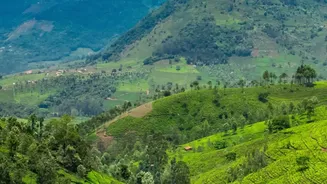
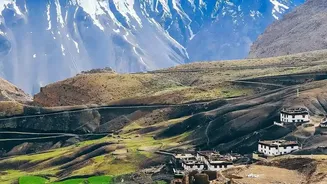
For years, tourism in Himachal Pradesh has been synonymous with lush valleys, snow-capped peaks, and spiritual retreats. Yet, as popular circuits became more crowded, a quieter revolution began in the state's highest, most remote regions like the Spiti
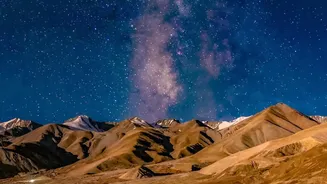
Valley. Here, the unique geography—high altitudes, dry air, and minimal population—creates an unparalleled window to the universe.. The challenge was how to transform this natural advantage into a sustainable economic opportunity without spoiling the very darkness that makes it special. The answer is proving to be astro-tourism, a model that attracts travellers seeking not just adventure, but awe.
What is a Dark-Sky Initiative?
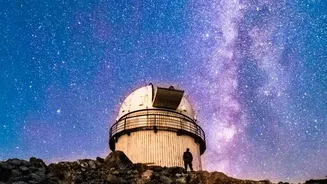
The term “dark-sky reserve” refers to an area where light pollution is actively managed to preserve the natural darkness of the night sky.. While India's first officially designated Dark Sky Reserve is in Hanle, Ladakh, Himachal Pradesh is making significant strides with community-focused initiatives.. In places like Spiti, the state government, in collaboration with scientific bodies and local communities, is fostering an ecosystem dedicated to protecting its celestial views.. This involves more than just switching off lights; it's a commitment to responsible lighting, community education, and protecting a shared natural heritage for scientific and cultural value.
From Villagers to Cosmic Guides
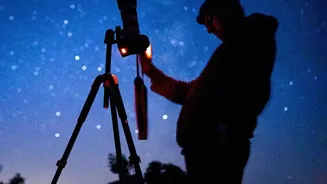
The true innovation in Himachal lies in the 'village hubs' model. Instead of large, impersonal tourism projects, the focus is on empowering local communities. A landmark initiative launched in Kaza, Spiti, in July 2025 provides a blueprint.. The state, through bodies like the Himachal Pradesh Council for Science, Technology & Environment (HIMCOSTE), distributed high-end, computerized telescopes to local youths, homestay owners, and aspiring entrepreneurs in villages like Kaza, Langza, and Rangrik.. These individuals are then trained to operate the equipment and guide tourists through the cosmos, explaining constellations and celestial phenomena. This approach turns tourism into a grassroots enterprise, ensuring income flows directly into the local economy.
A New, High-Value Tourist
Astro-tourism attracts a different kind of visitor. These travellers are often highly educated, environmentally conscious, and willing to spend on unique, meaningful experiences.. They don't just want a photo; they want to learn and connect. They travel to places like Spiti for multi-day workshops, guided stargazing sessions, and astrophotography camps.. This model encourages longer stays and deeper engagement, which is far more beneficial for the local economy than fleeting day trips. By catering to this niche, Himachal's high-altitude villages are building a reputation for quality over quantity, fostering a more sustainable and respectful form of travel.
The Economic Ripple Effect
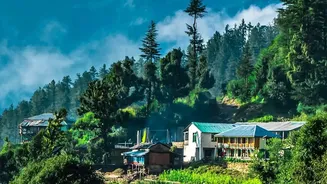
The impact of these dark-sky hubs extends far beyond the telescope operators. When an astro-tourist books a stay at a homestay in Langza or Kaza, they also eat at local cafes, hire local drivers, and buy regional handicrafts.. This creates a powerful ripple effect, stimulating the entire regional economy. Chief Minister Sukhvinder Singh Sukhu has called the initiative a “new beginning” that will strengthen the tribal economy by integrating science, culture, and livelihood.. By turning their dark skies into an economic engine, these Himachali villages are not just elevating tourism; they are building a brighter, more sustainable future for themselves.