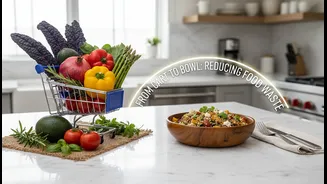

Beyond Recipes: What is Food Literacy?
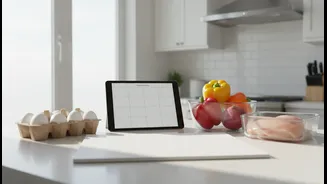
Food literacy is the ability to make confident and healthy decisions about food. It's not about being a gourmet chef, but about understanding the journey of food and managing it effectively in your own home. This includes everything from planning meals
and reading labels to knowing how to store ingredients to maximise their life and recognising when something is no longer safe to eat. By building these skills, you can reduce food waste, which is a major issue both environmentally and financially, and feel more empowered in your daily cooking.
Trust Your Senses: How to Recognise Spoilage
Before you throw something out just based on the 'best-by' date, learn to trust your senses. These dates often refer to quality, not safety. For produce, look for mould, a foul odour, or a soft, mushy texture. With meat and poultry, a slimy feel, discolouration, or a strong, unpleasant smell are clear warning signs. For dairy like milk or paneer, a sour smell or curdled texture indicates it has turned. Canned goods should be discarded if the can is bulging, leaking, or badly dented, as this can be a sign of dangerous bacteria. The golden rule is simple: when in doubt, throw it out.
The Golden Rules of Safe Storage
Proper storage is key to extending the life of your groceries. Keep your refrigerator at or below 4°C and your freezer at -18°C. Store raw meat, poultry, and fish on the bottom shelf of the fridge in sealed containers to prevent their juices from dripping onto other foods. Dairy products should be kept in the main part of the fridge, not the door, where temperatures fluctuate. For the pantry, think cool, dark, and dry. Store staples like dals, rice, and flour in airtight containers to protect them from pests and moisture. Items like onions and potatoes should be kept in a dark, cool spot, but not in the fridge.
Organise Your Kitchen, Reduce Your Waste
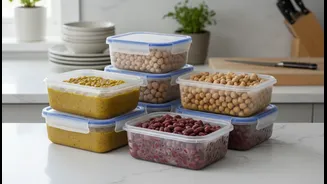
A well-organised kitchen can dramatically cut down on waste. Practice the 'First-In, First-Out' (FIFO) method. When you buy new groceries, move the older items to the front of your pantry or fridge so you use them first. Using clear, airtight containers for leftovers and dry goods helps you see what you have at a glance, preventing items from getting lost and forgotten. Consider dedicating one night a week as 'leftovers night' to creatively use up whatever is remaining in the fridge before your next big shop.
The Art of Smart Substitutions
Missing one ingredient shouldn't derail your entire meal. Knowing a few simple substitutions is a game-changer. No eggs for baking? You can often use mashed banana or applesauce. Out of buttermilk for a recipe? A cup of milk with a tablespoon of lemon juice or vinegar, left to sit for five minutes, works perfectly. If you don't have a specific herb, another from the same flavour family can often work. For example, oregano and marjoram are interchangeable in many dishes. Being flexible and creative with what you have not only saves a trip to the store but also helps use up ingredients that might otherwise go to waste.