






The Power of a Stamp-Free Passport
At its heart, a visa-free framework is a mutual agreement between countries to let each other's citizens enter without the need for a visa. This simple concept has profound implications for overland tourism. It removes the bureaucratic hurdles, time,
and costs associated with visa applications, making spontaneous and multi-country trips much more feasible. Instead of planning months in advance and paying hefty fees, travellers can decide to cross a border on a whim. This flexibility not only enhances the travel experience but also encourages tourists to stay longer, spend more, and explore more deeply, which provides a significant boost to local economies.
The Schengen Area: Europe's Gold Standard
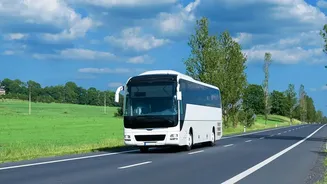
The most famous example of a successful visa-free zone is the Schengen Area in Europe. Comprising 29 countries, it functions as a single jurisdiction for international travel. Once a traveller enters one Schengen country, they can move freely across all the others without internal border checks. This has revolutionized overland travel on the continent, allowing tourists to seamlessly journey from the beaches of Portugal to the forests of Finland by train, car, or bus. The arrangement has not only boosted tourism but has also strengthened economic and cultural ties, making it easier for people to work, study, and visit family across borders. For overland adventurers, this means less time waiting at border posts and more time experiencing Europe's diverse landscapes and cultures.
ASEAN's Push for Regional Connectivity
In Southeast Asia, the Association of Southeast Asian Nations (ASEAN) is also making strides toward easier travel. While not yet a fully unified zone like Schengen, the bloc actively promotes regional tourism through a series of visa-free agreements and simplified entry rules for its 10 member states. Citizens of ASEAN countries can typically visit other member nations for up to 14 or 30 days without a visa. For international tourists, including those from India, many ASEAN countries offer visa-free access, e-Visas, or visas on arrival, which simplifies planning multi-country itineraries like a trip from Thailand through Cambodia and into Vietnam. This growing integration is a deliberate strategy to boost tourism, trade, and regional identity.
Bilateral Agreements and Their Impact
Beyond large regional blocs, simple bilateral agreements between two countries play a crucial role. These one-on-one arrangements are often the simplest way to facilitate movement between immediate neighbours. A prime example for Indians is the long-standing open border with Nepal and Bhutan. These agreements allow citizens to cross land borders with minimal documentation, fostering deep economic and cultural exchange that has existed for decades. While many of India's other visa waiver agreements are limited to diplomatic or official passport holders, these special relationships with its Himalayan neighbours demonstrate the powerful potential of truly open borders for overland tourism and everyday life.
More Than Just a Holiday
The benefits of these frameworks extend far beyond tourism. By simplifying travel, countries are perceived as more welcoming and open on the global stage. This enhanced image can attract not just tourists but also business investors, entrepreneurs, and students. The increased flow of people leads to greater cultural exchange, fostering mutual understanding and goodwill between nations. Economically, the impact is immense. Increased visitor numbers create jobs in hospitality, transportation, and retail, stimulating growth in sectors beyond tourism. Essentially, tearing down visa walls builds bridges of economic opportunity and cultural connection.