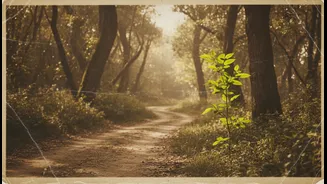










The Nostalgia Trap
There's a reason they say you can't go home again. The 'home' we long for often exists more vividly in our memories than in reality. Our minds are expert curators, creating a highlight reel of sun-drenched afternoons, childhood friendships, and the comforting
taste of home-cooked meals. We forget the boredom, the adolescent angst, and the potholes in the road. Psychologists note that nostalgia is a powerful, bittersweet emotion. It can provide comfort, but it also creates a gap between a romanticised past and our present reality. When we return to a place expecting it to perfectly match our edited memories, disappointment is almost inevitable. The old cafe has become a generic franchise, the quiet lane is now a bustling thoroughfare, and the familiar faces have new lines of worry and wisdom. Chasing an exact replica of the past is a recipe for feeling that something precious has been lost.
You’ve Changed, Too
It’s easy to focus on how a place has changed, but we often forget the most significant transformation: our own. The person who left is not the same one who returns. You’ve had new experiences, faced different challenges, and built an identity independent of your origins. Returning can sometimes trigger a feeling of regression, as if you’re expected to slot back into an old version of yourself. This internal conflict is a crucial part of the journey. The discomfort you feel isn't just about the new buildings in your neighbourhood; it's about reconciling the person you were with the person you have become. Recognising this is the first step toward a more meaningful return. The journey isn't about stepping back in time but about seeing your starting point from a new vantage point, with the wisdom and perspective you've gained along the way.
How to Return with Grace
Instead of a pilgrimage to a sacred, unchanging past, reframe your return as an act of curious exploration. Be a tourist in your own hometown. Visit a place you've never been before, even if it's just a new coffee shop or a park on the other side of town. This simple act can break the spell of the past and ground you in the present. Focus on reconnecting with people, not just places. While landmarks change, human connections can be renewed and deepened. Share stories about your life now, and listen to theirs. This transforms the visit from a silent audit of changes into a dynamic exchange. It also helps to prepare mentally. Expect change, both good and bad. By setting realistic expectations, you shift from reacting with disappointment to observing with curiosity. Journaling your feelings or talking to a friend about your anxieties before and during the trip can also help process the complex emotions that arise.
Finding New Meaning in the Old
A successful return journey doesn't erase old memories; it adds new, richer layers to them. It’s an opportunity for integration, where your past and present selves can meet. You might discover that the values your hometown instilled in you—community, resilience, or a particular sense of humour—are still very much a part of who you are, even if the physical surroundings have evolved. Honouring change means accepting that both you and the place have grown. This acceptance can be liberating. You can appreciate the past for the foundation it gave you without being trapped by it. The goal is to build a bridge between the then and the now, creating a continuous story of growth rather than a broken one of loss. By doing so, you don’t just visit your roots; you nourish them, allowing them to support the person you are today and the person you are still becoming.