



A World Washed Anew
Most travel guides circle the winter months as the ideal time to visit Assam, citing pleasant weather and optimal conditions for wildlife safaris. They aren't wrong, but they don’t tell the whole story. The monsoon, which typically lasts from June to September,
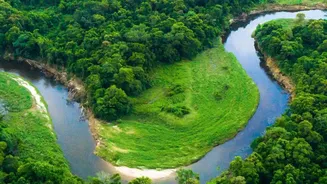
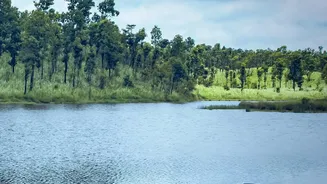
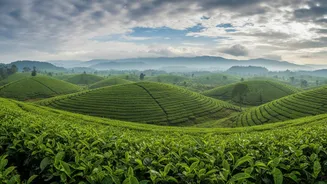
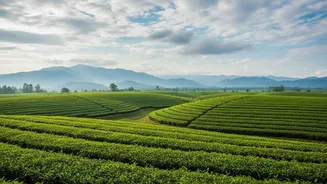
offers a completely different, and arguably more profound, experience. This is when the state’s famous tea gardens, stretching across acres, are drenched into a vibrant, shimmering green. The dust settles, and the mighty Brahmaputra river swells, its presence felt more deeply across the plains. The landscape doesn't just get greener; it feels more alive, with mist-shrouded hills and sudden waterfalls appearing on roadsides, turning a simple drive into a scenic journey. The entire region slows down, offering a quiet, immersive experience for those willing to embrace the rain.
Rethinking the Wildlife Trail
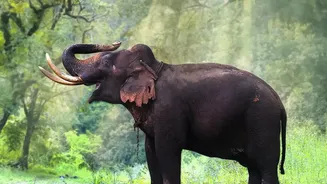
It’s true that Assam's most famous wildlife destination, Kaziranga National Park, home to the one-horned rhinoceros, largely closes during the monsoon due to annual flooding. These floods, while disruptive, are a crucial ecological process that rejuvenates the park's grasslands and wetlands. But eco-tourism in monsoon-swept Assam isn't about ticking off the 'big five' on a jeep safari. It’s about observing a different cast of characters. This is the season for amphibians and reptiles. It is when birdwatching takes on a new dimension, with resident birds active in the lush environment. Sanctuaries like Pobitora, known for a dense rhino population, often remain partially accessible and offer a glimpse into how the wildlife adapts. Others, like Dibru-Saikhowa National Park, a biosphere reserve, are best explored by boat, which is an ideal mode of transport during the wet season. The focus shifts from seeing specific animals to appreciating the resilience of the entire ecosystem.
Fewer Crowds, Deeper Connections
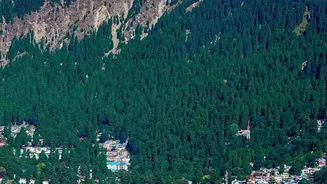
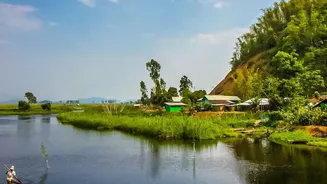
One of the most significant differences of monsoon travel is the solitude. The usual tourist hubs are quieter, allowing for a more personal and unhurried exploration. This slower pace fosters deeper connections, whether it's with nature or the local culture. Visiting Majuli, the world's largest river island, during this time is a unique experience. While the Brahmaputra is powerful, life on the island continues, offering an authentic glimpse into the traditions of its Vaishnavite monasteries, or Satras. Similarly, exploring Assam’s only hill station, Haflong, becomes a mystical affair with clouds rolling through the valleys and the landscape turning intensely green. It’s an opportunity to engage with local communities without the hustle of peak season, turning a holiday into a more meaningful cultural exchange.
The Adventure of Authenticity
Eco-tourism during the monsoon is not for the faint of heart. It is an adventure that demands flexibility and preparation. The humidity is high, travel can be unpredictable with potential delays from rain, and you should be prepared for encounters with leeches on nature trails. However, for the prepared traveler, these challenges are part of the authentic experience. It’s about carrying the right rain gear, having buffer days in your itinerary, and embracing the journey for what it is. The reward is witnessing a place at its most raw and powerful. It’s sitting in a tea garden bungalow listening to the downpour, taking a boat ride through a swollen river, and seeing a landscape that feels untamed and utterly beautiful. It’s an experience that is less about comfort and more about connection.