



A Return to Mindful Rituals
For generations, filter coffee has been more than a beverage in South India; it's a daily ritual. [2] The process itself—the slow drip of the decoction, the mixing of hot milk, and the rhythmic pouring between the 'davara' and tumbler to create a perfect
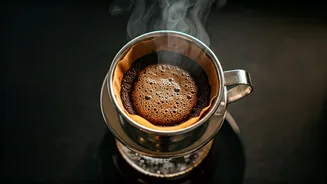
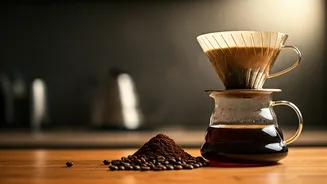
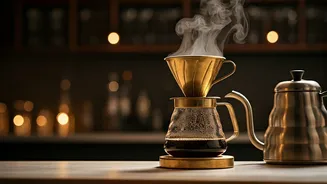
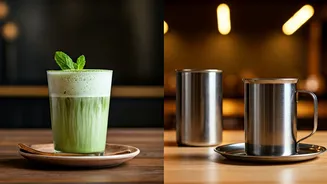
froth—is an act of patience and care. [3, 13] In today's fast-paced world, many are finding comfort in this deliberate and mindful practice. It’s a stark contrast to the quick-fix of instant coffee or the impersonal nature of a takeaway espresso. This return to tradition is not just about nostalgia; it’s about reclaiming a few quiet moments in the day, a small ceremony that is both grounding and satisfying. [3]
The Allure of Authenticity and 'Indian-ness'
There's a growing cultural movement to reassess what we consider 'premium'. For years, aspiration was tied to Western-style cafes and their Italian-inspired menus. Now, a new generation is looking inward, seeking authenticity and embracing products with a strong sense of place. [3] Filter coffee, with its deep roots in South Indian culture, perfectly fits this narrative. [4, 12] New-age Indian brands are championing this shift, packaging filter coffee with a modern aesthetic while celebrating its traditional roots. [6] They are moving 'kaapi' from the kitchen counter to a coveted spot on cafe menus nationwide, rebranding it not just as a regional staple but as a proud 'Indian' coffee experience. [3, 6]
A Complex Flavour Profile
At the heart of filter coffee's appeal is its unique taste. The traditional brewing method, using a specific metal filter, allows for a slow extraction that results in a brew that is less bitter and more nuanced than many other methods. [11] The classic blend often includes both Arabica and Robusta beans—Arabica for smoothness and Robusta for a strong body and caffeine kick. [2] A key ingredient that defines its character is chicory, a root that was historically added as a cost-saving measure but is now loved for the richness, fuller body, and distinctive sweetness it imparts. [3, 7] This carefully balanced blend creates a cup that is both bold and smooth, perfect when combined with hot, frothy milk. [2]
Perceived Health and Economic Benefits
The chicory often found in filter coffee blends is a source of inulin, a prebiotic fibre known for promoting gut health. [9, 18] Chicory is also naturally caffeine-free, so blends containing it can offer a way to reduce overall caffeine intake without sacrificing flavour. [9] Some studies suggest chicory may also aid in controlling blood sugar and reducing inflammation. [18, 24] Beyond the health aspects, there's a simple economic argument. As the cost of a daily latte or cappuccino from a global chain continues to rise, brewing a high-quality cup of filter coffee at home offers a more affordable, yet equally satisfying, alternative. This makes it an appealing choice for those seeking both wellness and value.
A Counterpoint to a New Coffee Culture
Interestingly, the resurgence of filter coffee is happening alongside the rise of a very different coffee culture, particularly among Gen Z. This generation often prefers iced, highly customisable drinks with various syrups and non-dairy milks. [8, 21] While filter coffee seems to be the antithesis of this trend—hot, traditional, and consistent—its revival can be seen as a reaction to it. It appeals to a different sensibility, one that values tradition over trendiness and depth of flavour over novelty. [14] While younger consumers might be exploring adventurous cold brews, many others, including millennials and Gen X, are rediscovering the consistent, comforting, and authentic pleasure of a well-made filter coffee. [14]