






Why Smog Irritates Your Eyes
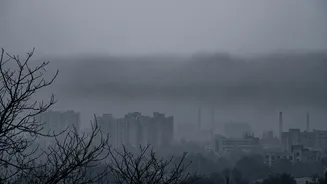
The air during Delhi's smog season is laden with a toxic cocktail of pollutants, including particulate matter (PM2.5 and PM10), nitrogen oxides, and other harmful chemicals. These airborne irritants come into direct contact with the surface of your eyes,
disrupting the natural tear film that keeps them moist and protected. This disruption can lead to inflammation of the conjunctiva (the thin membrane covering the white of the eye), a condition often called conjunctivitis, and can exacerbate or trigger dry eye syndrome. The result is a range of uncomfortable symptoms that can affect your daily life.
Recognising the Common Symptoms
It’s important to recognise the warning signs your eyes are sending you. Common symptoms of pollution-related eye stress include persistent redness, a burning or stinging sensation, and excessive watering as the eye tries to flush out foreign particles. Many people also experience a gritty feeling, as if sand is in their eyes, along with itching and general discomfort. In some cases, vision may become temporarily blurred, or you might develop a heightened sensitivity to light. These symptoms indicate that your eyes are struggling to cope with the harsh environmental conditions.
Protective Eyewear is Your First Defence
One of the simplest and most effective strategies is to create a physical barrier. Whenever you step outdoors, wear well-fitting, wraparound sunglasses or even clear protective glasses. This shield significantly reduces the amount of dust, particulate matter, and other pollutants that can come into direct contact with your eyes. It's a non-negotiable step, especially on days when the Air Quality Index (AQI) is in the 'severe' or 'hazardous' category. Limiting your time outdoors on such days is also a wise preventative measure.
Keep Eyes Clean and Hydrated
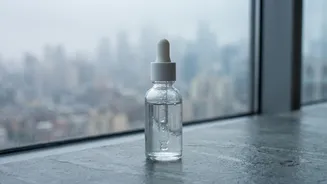
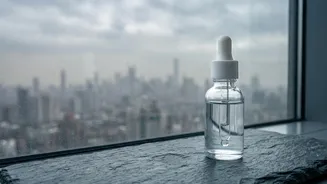
Proper hygiene is crucial. Avoid rubbing your eyes, as this can transfer irritants from your hands and worsen inflammation. Upon returning indoors, gently wash your face and the area around your eyes with clean water to remove any settled pollutants. Staying well-hydrated by drinking plenty of water helps your body maintain adequate tear production, which is essential for eye health. For immediate relief from dryness and irritation, use lubricating eye drops, often called artificial tears. Opt for preservative-free formulas if you need to use them frequently, as they are gentler on the eyes.
Rethink Your Contact Lenses
Pollutants can easily get trapped on the surface of and underneath contact lenses, leading to significant irritation and increasing the risk of infection. During periods of heavy smog, it is highly advisable to switch to wearing glasses instead of contact lenses. If you must wear contacts, consider using daily disposables to ensure you start each day with a fresh, clean pair. Never sleep in your contact lenses, especially during high pollution, and always clean reusable lenses meticulously with the proper solution. If your eyes feel dry or sore, remove your lenses immediately.
Create a Safe Haven Indoors
Your home should be a recovery zone for your eyes. Using an air purifier with a HEPA filter can dramatically improve indoor air quality by capturing fine particulate matter and other pollutants. If the indoor air feels dry, which can be common with heating systems, a humidifier can help maintain a comfortable level of moisture, preventing your eyes from drying out further. Taking regular breaks from screens is also important, as prolonged screen time reduces your blink rate, worsening dryness.