


The Great Indian Millet Revival
Not long ago, millets were the bedrock of Indian cuisine, sustaining communities for centuries. [7] After falling out of favour, these ancient grains are enjoying a well-deserved renaissance, partly thanks to a global spotlight on their incredible benefits.
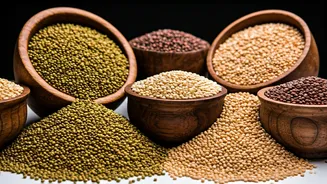
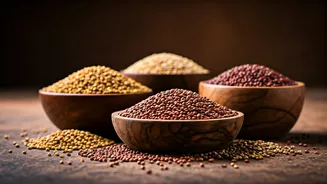
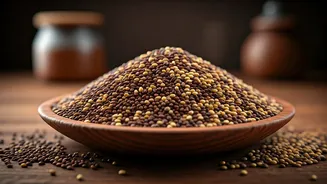
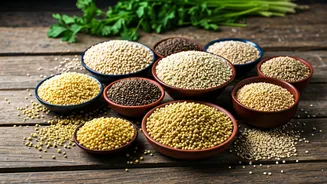
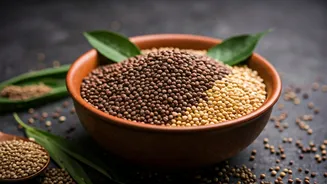
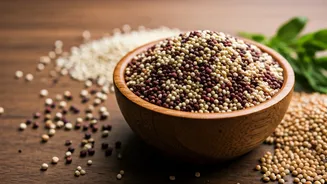
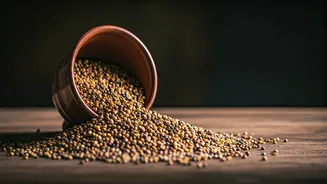
[7] Recognised for their resilience in harsh climates and their dense nutritional profile, millets are being celebrated as a food for the future. [7] They are packed with fibre, protein, and essential minerals like iron and calcium, are naturally gluten-free, and have a low glycemic index, making them excellent for managing blood sugar levels. [3, 10] This renewed interest is not just about health; it's about rediscovering a versatile and sustainable part of our culinary heritage.
A Quick Guide to Common Millets
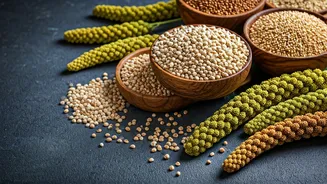
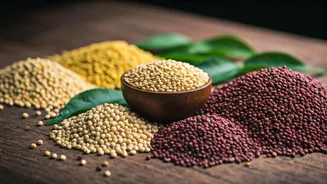
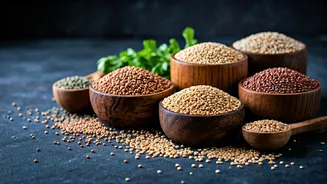
Before you start cooking, it helps to know your grains. While there are many varieties, here are a few popular ones found in Indian kitchens: * **Jowar (Sorghum):** A versatile, gluten-free grain often used to make rotis or bhakri. [19] It's rich in protein and fibre. [7] * **Bajra (Pearl Millet):** Known for its warming properties, it is a winter favourite in states like Rajasthan and Gujarat. [5, 9] It is dense in iron and magnesium. [6] * **Ragi (Finger Millet):** This grain is a calcium powerhouse, making it excellent for bone health. [7, 6] Its earthy flavour works well in both sweet and savoury dishes, from porridges to dosas. [8] * **Foxtail Millet (Kangni/Navane):** A small, quick-cooking millet that is a great substitute for rice in dishes like lemon rice, pulao, and upma. [2, 4] It's high in dietary fibre and helps in managing cholesterol. [7]
Reimagined Breakfasts to Start Your Day
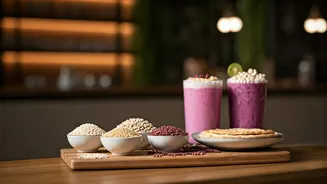
Move over, plain porridge. A millet breakfast can be both exciting and nourishing. Instead of a basic bowl, try a creamy ragi malt, which can be made sweet with jaggery and nuts or savoury with buttermilk and spices. [15] You can also easily prepare soft and fluffy idlis using barnyard millet or kodo millet for a nutritious start to the day. [11] For something even quicker, use millet flour to whip up pancakes; just mix the flour with yogurt and a bit of water for a simple batter. [11] You can even swap overnight oats with millet flakes for a new take on a convenient morning meal. [2]
Lunches That Are Anything But Boring
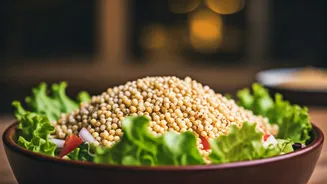
Your lunchbox is ready for a millet makeover. Swap out rice or quinoa for cooked foxtail or little millet in a refreshing grain salad, tossed with assorted vegetables and a zesty dressing. [2] Traditional rotis get an upgrade by using jowar or bajra flour. These flatbreads can be used as wraps filled with modern stuffings like spiced paneer or mixed veggies. [4] Even comfort foods like curd rice can be made healthier by replacing rice with cooked millet for a cooling and creamy meal. [2]
Simple and Wholesome Dinners
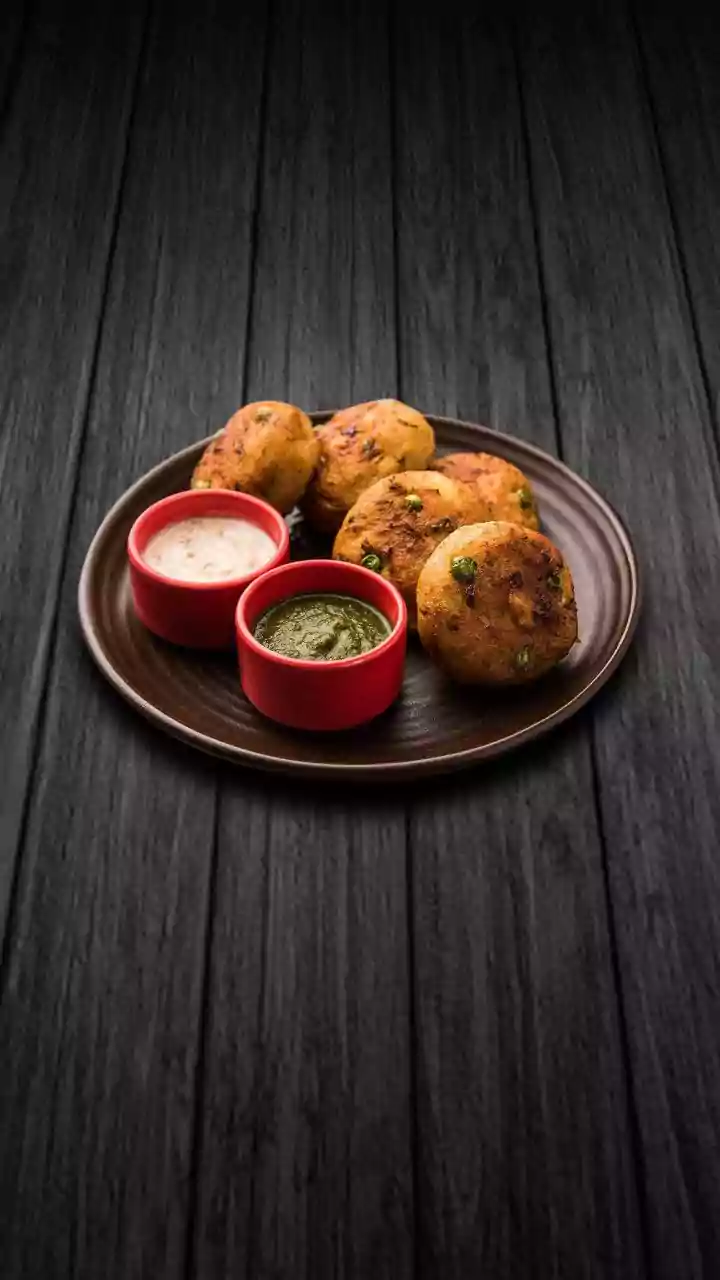
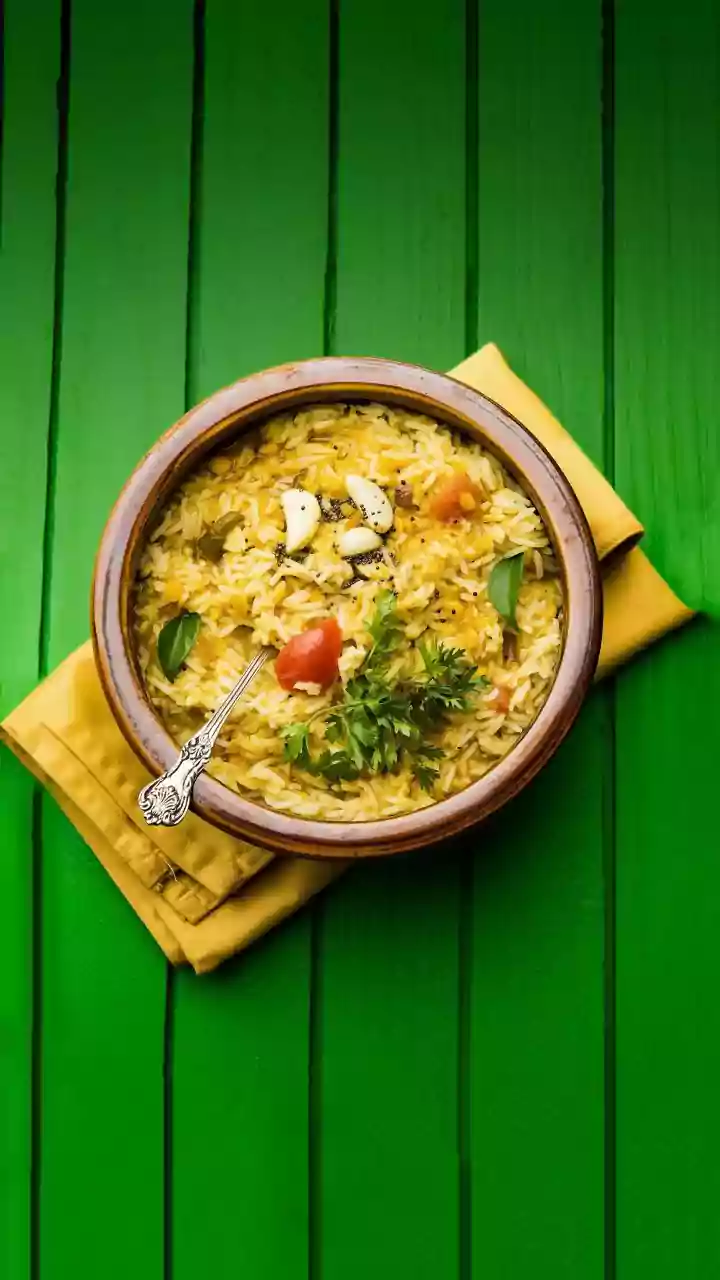
Dinner is the perfect time to experiment with heartier millet dishes. A classic khichdi made with Kodo millet and moong dal in a pressure cooker is both quick and comforting. [13] For a family-friendly meal, try making veggie burger patties using leftover cooked millet as a binding agent instead of breadcrumbs. [2] Another creative idea is to make a stir-fry with cooked mixed millets, vibrant bell peppers, broccoli, and your choice of protein. [13] You can also prepare a simple and flavourful pulao using barnyard millet, which is often used during fasting days but is perfect for any light dinner. [18]
Snacks and Sweets with a Healthy Twist
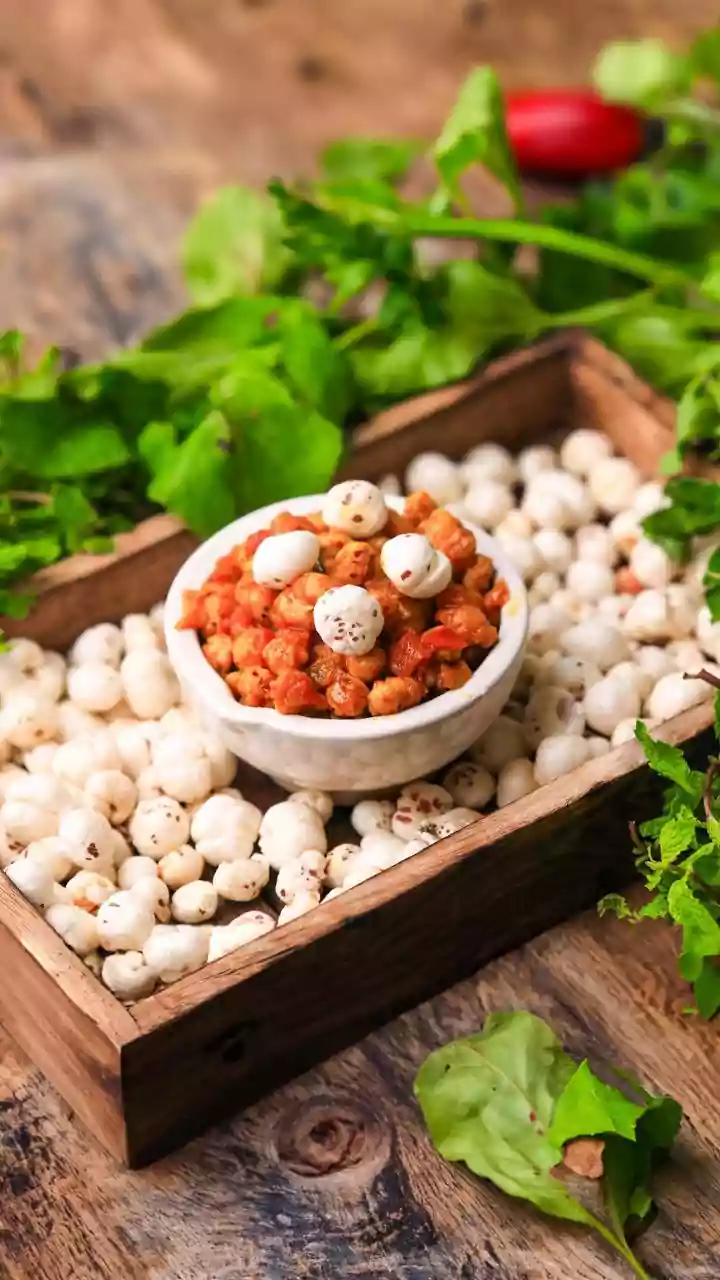
Millets can even satisfy your sweet cravings. Nutritious ragi ladoos, made with ragi flour, jaggery, and ghee, are a classic healthy treat. [8] You can also bake millet cookies for a guilt-free snack. [2] For a traditional dessert, try making a sweet pongal or kheer (payasam) using foxtail millet, cooked with milk and sweetened with jaggery. [13, 27] These dishes prove that you don't have to compromise on flavour to enjoy the goodness of millets.