







The Tale of Two Cylinders
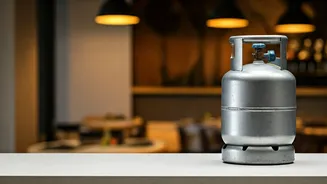
In India, LPG cylinders come in two main varieties. There’s the familiar 14.2 kg red cylinder found in millions of homes, its price often subsidised and a frequent topic of household budget discussions. Then there is its larger cousin, the 19 kg blue
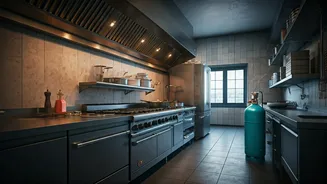
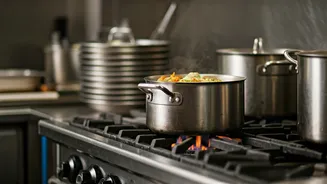
cylinder, designated for commercial use. This is the workhorse of the food industry, powering the stoves of everything from the corner tea stall and local dhaba to large-scale restaurants and hotel kitchens. Unlike domestic cylinders, the price of commercial LPG is not shielded by the same level of government subsidy. Its rates are revised monthly, directly linked to international crude oil prices and geopolitical factors, making businesses that rely on it vulnerable to global market volatility.
The Kitchen's Costly Conundrum
For any food business, fuel is a significant operational expense, often accounting for 10-15% of kitchen costs. A mid-sized restaurant can easily go through 15 to 30 of these large cylinders a month. So, when oil marketing companies announce a price change, it creates an immediate ripple effect. While a recent price cut on July 1, 2026, brought some relief to the industry, it came after months of steep hikes that saw prices climb dramatically. These earlier increases, sometimes amounting to hundreds of rupees per cylinder in a single month, put immense pressure on already thin profit margins. This leaves restaurateurs with a difficult choice: absorb the increased cost and risk their financial viability, or pass the burden onto the customer.
From Samosas to Thalis: The Impact on Your Plate
The decision to raise menu prices is never easy. For highly price-sensitive items like a vada pav or a samosa, even a small increase can deter customers and threaten the business's survival. Larger establishments may have more flexibility, but they too face resistance. Industry bodies like the National Restaurant Association of India (NRAI) have noted that sustained high costs inevitably lead to menu price corrections. Following significant price hikes earlier in the year, many restaurant associations warned of potential menu price increases between 10% and 20% to stay afloat. This isn't just about the final dish; the price of gas also affects the cost of processed ingredients like paneer, sauces, and purees, as their manufacturers also rely on commercial gas, creating a cascading effect across the entire food supply chain.
Beyond Price Hikes: A Search for Alternatives
Constant price fluctuations have forced many in the food industry to innovate and adapt. Some restaurants have started trimming their menus to focus on dishes that are less gas-intensive. Others are exploring long-term solutions, such as shifting to electric cooking with induction stoves or investing in piped natural gas (PNG) connections where available. While PNG offers a more stable supply and can be 10-15% cheaper, the infrastructure is not yet widespread. This search for alternatives highlights the industry's struggle to reduce its dependence on a volatile commodity and manage unpredictable overheads. During severe shortages and price peaks, some smaller establishments even had to temporarily shut down, impacting livelihoods.