






Why Banana Peels Work
Before you start scattering peels around your garden, it helps to understand why they’re so beneficial. Banana peels are famously rich in potassium (K), a vital macronutrient for plants. While nitrogen (N) promotes leafy green growth, potassium is the key
player in encouraging flowering and fruiting. It helps plants move water and nutrients between cells, strengthens stems, and improves disease resistance. Think of it as the nutrient that helps your plants focus their energy on producing beautiful, abundant blooms rather than just more leaves. Peels also contain smaller amounts of calcium, magnesium, and phosphorus, all of which contribute to overall plant health. Using them is a fantastic, zero-waste way to give your flowering plants a natural boost.
Method 1: Banana Peel Tea
One of the most popular ways to deliver these nutrients is by creating a liquid fertilizer, often called 'banana peel tea'. This method makes the potassium readily available for your plants to absorb quickly. 1. **Collect:** Gather 3-4 fresh banana peels. 2. **Soak:** Place the peels in a large jar or bucket and fill it with about 4-5 litres of water. 3. **Steep:** Cover the container and let it sit for 2-3 days. The water will turn a light brownish colour as the nutrients leach from the peels. 4. **Strain & Dilute:** Remove the peels (you can add them to your compost). Some gardeners use the tea as is, while others prefer to dilute it with an equal part of fresh water to make it go further, especially for potted plants. 5. **Feed:** Use this liquid to water your plants around their base once every 2-3 weeks during the growing season. This provides a gentle, consistent supply of potassium.
Method 2: Chop and Bury
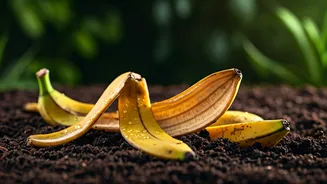
If you’re looking for a simpler, 'set it and forget it' approach, this is it. The 'chop and bury' method provides a slow-release source of nutrients as the peels decompose directly in the soil. 1. **Chop:** Cut fresh banana peels into small pieces, about an inch or two wide. Smaller pieces will break down faster. 2. **Dig:** When planting, or for established plants, dig a shallow trench or a few small holes about 4-5 inches away from the plant's main stem. This is important to avoid causing stem rot. 3. **Bury:** Place the chopped peels into the holes and cover them with at least 2-3 inches of soil. Burying them is crucial, as leaving them on the surface can attract fruit flies, ants, and other pests. As the peels decompose, they will slowly release potassium and other minerals directly into the root zone where the plant can access them over several weeks.
Method 3: Dried Banana Powder
For a storable, long-term solution, you can create a nutrient-dense powder from your banana peels. This is perfect if you eat a lot of bananas and want to save the peels for later use. 1. **Dry:** Lay your banana peels on a tray in a single layer. You can either sun-dry them until they are black and brittle (this may take several days) or speed up the process by baking them in an oven on a low heat setting until they are completely dry and crispy. 2. **Grind:** Once fully dehydrated, break the peels into smaller pieces and grind them into a fine powder using a coffee grinder, spice mill, or a strong blender. 3. **Apply:** Store the powder in an airtight container. To use, simply sprinkle a tablespoon or two around the base of your plants and gently work it into the top layer of soil before watering. This can be done once a month during the peak flowering season.
Best Plants for Banana Feeds
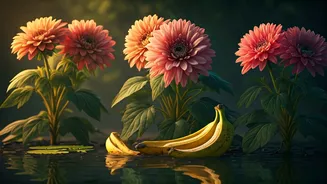
While most plants can benefit from a potassium boost, some are particularly responsive. Potassium-loving plants that will reward you with more impressive blooms or fruit include: * **Roses:** Known for loving potassium, banana feeds can encourage stronger stems and more vibrant flowers. * **Hibiscus and Bougainvillaea:** These tropical beauties thrive on potassium to produce their spectacular, non-stop blooms. * **Tomatoes and Peppers:** While technically fruits, these garden staples need high levels of potassium to develop plentifully. * **Lillies, Dahlias, and other bulb flowers:** A dose of potassium can help them produce bigger and better flowers. It’s important to note that banana peels are a supplement, not a complete fertilizer. They lack significant amounts of nitrogen, so you’ll still need a balanced feeding regimen for overall plant health.