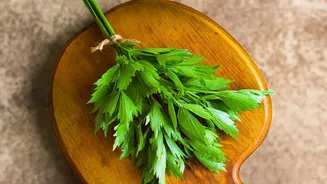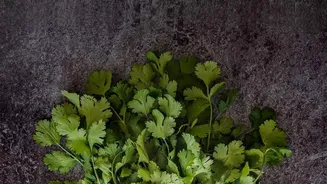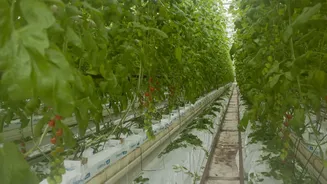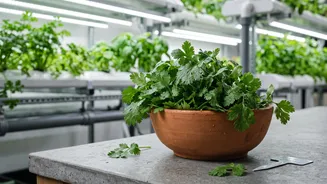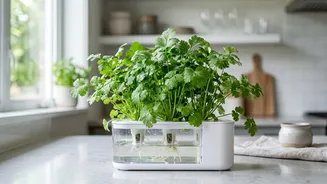

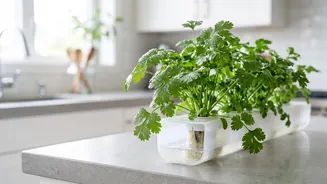
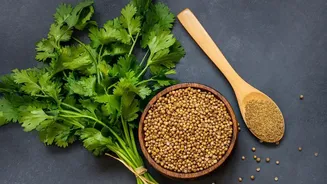

The joy of fresh dhaniya in a home-cooked meal is unmatched, but growing it indoors can be tricky. Hydroponics, a soil-free method, offers a modern solution for a steady supply of this essential herb right in your kitchen.
What Exactly is Hydroponics?
Hydroponics is a method of growing
plants without using soil. Instead of pulling nutrients from the earth, plant roots are suspended in a nutrient-rich water solution. This method gives you complete control over the plant's environment—from nutrients and water to light—creating ideal conditions for growth. While it might sound technical, simple systems are surprisingly accessible for home use and can be set up in a kitchen, a spare room, or even on a small balcony. This approach eliminates soil-borne pests, weeds, and the general messiness of traditional potting.
Why Go Soil-Free for Coriander?
Coriander, or cilantro, is notorious for being fussy in soil, especially indoors. It has a tendency to 'bolt'—flower prematurely and stop producing leaves—when stressed by heat or inconsistent watering. Hydroponics directly tackles these issues. By providing a stable environment with consistent nutrients and controlled temperatures, you can extend the leaf-producing phase and get more harvests from each plant. Plants also tend to grow faster, with some studies showing growth rates up to 30-50% quicker than in soil, because their roots get direct access to food without having to search for it. For an herb you use frequently, this means a faster and more reliable supply.
Your Basic Hydroponic Starter Kit
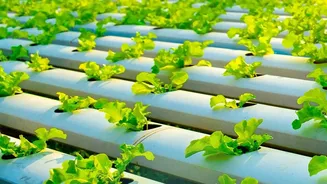
You don't need a high-tech lab to start. Simple systems like Deep Water Culture (DWC) or the Kratky method are great for beginners. A basic setup includes a container or reservoir to hold the water, net pots to hold the plants, and a growing medium like rockwool or clay pebbles (Leca) to provide root support. You'll also need a balanced hydroponic nutrient solution formulated for leafy greens, which provides all the essential macro- and micronutrients. Finally, since most Indian homes may not have a window with 12-14 hours of direct sun, a simple LED grow light is crucial for providing the consistent light coriander needs to thrive.
From Seed to Harvest: A Simple Guide
Getting started is a straightforward process. First, germinate your coriander seeds. A reliable method is to gently crack the seed husks, then place them inside a moist paper towel in a container for a few days until they sprout. Once the seedlings have their first 'true leaves', transfer them into the net pots within your hydroponic system. The roots should be able to reach the nutrient_rich water. Maintain the water's pH level between 5.5 and 6.5 for optimal nutrient absorption. You can begin harvesting once the plant is about 15 cm tall, which typically takes four to five weeks. Snip the outer leaves first, leaving the central growth point intact to encourage the plant to keep producing.
Avoiding Common Pitfalls
The biggest challenge with coriander is preventing it from bolting. Heat is the primary trigger, so try to keep the air and water temperature cool, ideally between 18°C and 22°C. Avoid placing your setup in direct, intense sunlight that could overheat the plant. Insufficient light can make plants leggy, while too much can cause stress, so a 12 to 14nday cycle with a grow light is a good balance. Also, be mindful of algae growth in the reservoir, which can happen if light gets in. Using an opaque container will solve this problem. Regular, light harvesting also signals the plant to keep producing leaves instead of flowers.