

North India: A Feast of Rich Sweets and Savoury Breads
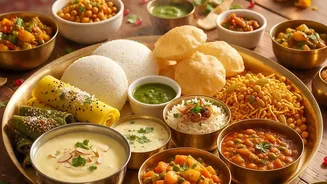
In the northern states like Uttar Pradesh, Punjab, and Delhi, Diwali is synonymous with richness. The star is often the 'gujiya', a crescent-shaped fried pastry filled with sweetened khoya (condensed milk solids), coconut, and dry fruits. Alongside this,
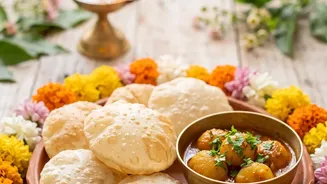
tables are laden with milk-based sweets like kaju katli and gulab jamuns. Savoury dishes are just as important. In many parts of Uttar Pradesh, it's a tradition to cook 'suran ki sabzi' (a curry made from elephant foot yam) on Diwali night, which is believed to bring good fortune. This is often paired with deep-fried pooris. Other popular snacks include flaky 'mathri' crackers and creamy 'dal makhani', a slow-cooked black lentil dish that adds to the festive indulgence.
Maharashtra: The Tradition of 'Faral'
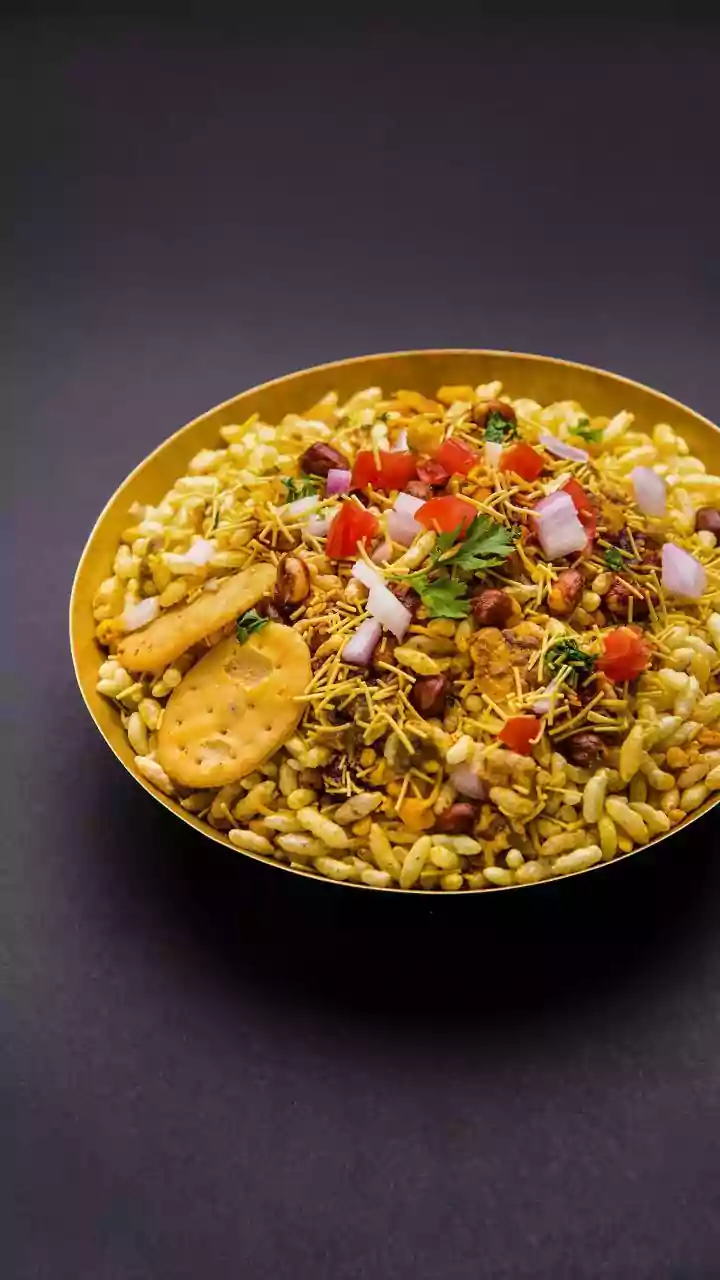
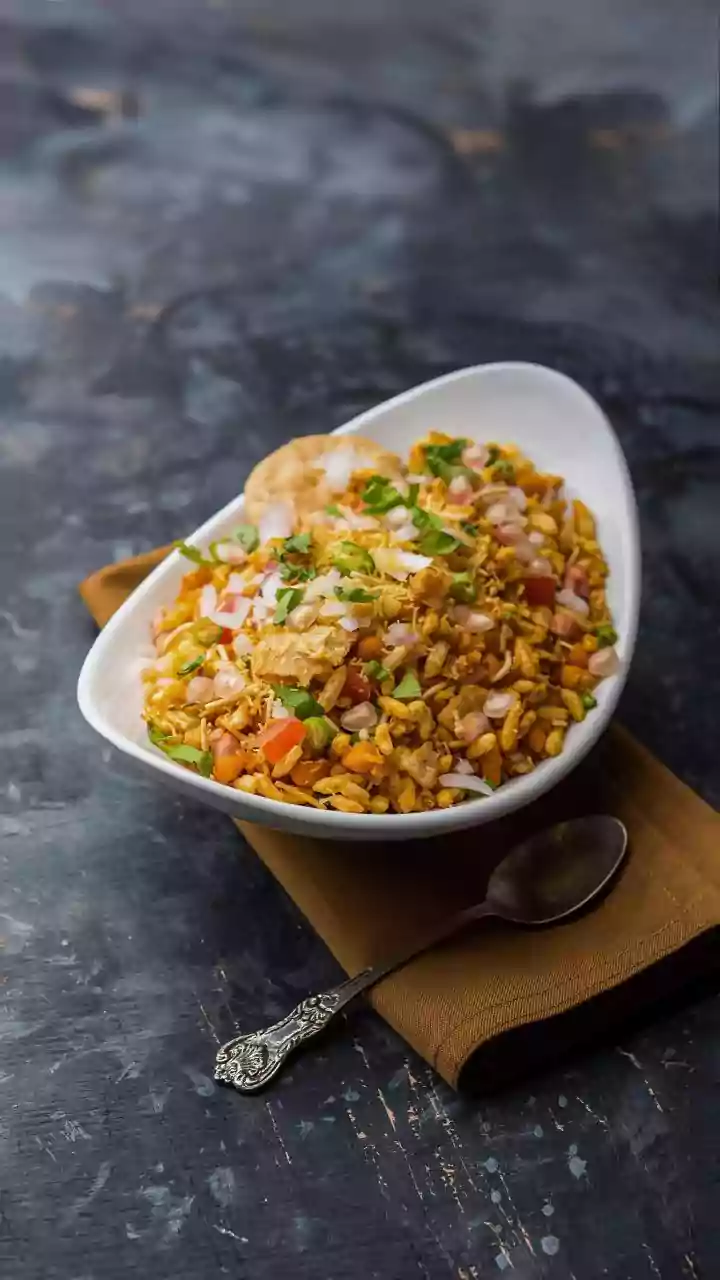
In Maharashtra, Diwali mornings begin with a special breakfast platter known as 'Faral'. This is not a single dish but a carefully curated collection of sweet and savoury items prepared in households for weeks leading up to the festival. The savoury side features crispy snacks like 'chakli' (spiral-shaped rice flour snacks), 'poha chivda' (a mix made from flattened rice, peanuts, and spices), and spicy 'sev'. For those with a sweet tooth, the Faral includes 'karanji', which is similar to the northern gujiya but often has a distinct filling of fresh coconut and jaggery. You'll also find diamond-shaped 'shankarpali' (both sweet and savoury versions), 'besan laddoo', and 'rava laddoo' made from semolina. Exchanging these Faral platters with neighbours is a key part of the community celebration.
Gujarat: A Harmony of Sweet and Savoury
Gujarati Diwali snacks, collectively known as 'nasta', are a masterclass in balancing flavours. The platter is an array of textures and tastes, from crispy 'chorafali' and thin 'mathiya' to the ever-popular 'gathiya' and 'chakri'. A quintessential Gujarati experience is pairing the savoury, crispy 'fafda' with sweet, syrupy 'jalebi'. The sweets, or 'mithai', are equally elaborate. 'Mohanthal', a fudge-like square made from roasted gram flour and ghee, is a Diwali staple. Other favourites include 'ghughra' (the Gujarati version of gujiya), 'magas' (similar to besan laddoo), and the classic 'kaju katri'. A thali for guests will typically feature a mix of these nasta and mithai items, creating a full spectrum of festive flavours.
West Bengal: A Devotion to Kali Puja
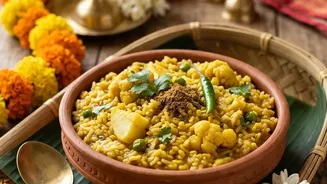
In West Bengal, Diwali often coincides with Kali Puja, and the food reflects this devotion. The offerings made to the goddess, known as 'bhog', are central to the celebration. A quintessential bhog dish is 'khichuri', a flavourful one-pot meal of rice and moong dal, often cooked with vegetables and aromatic spices. This is typically served with 'labra', a mixed vegetable dish, and various types of fried items ('bhaja') like 'beguni' (batter-fried eggplant). While many bhog preparations are vegetarian, some traditions also include 'niramish mangsho', a mutton curry made without onion or garlic. The sweet offerings include classics like 'payesh' (rice kheer), 'sandesh', and 'rasgulla'.
South India: Jaggery, Rice Flour, and a Dose of 'Medicine'
In the southern states of Tamil Nadu, Karnataka, and Andhra Pradesh, Diwali sweets often feature rice flour, jaggery, and coconut instead of the milk-heavy preparations of the North. Popular treats include the golden-brown 'adhirasam' (a fritter made from rice flour and jaggery), 'unniyappam' (small fritters with banana and coconut from Kerala), and various types of 'payasam'. The savoury snack 'murukku', a crunchy, twisted snack made from rice and dal flour, is a must-have. A unique tradition, particularly in Tamil Nadu, is the preparation of 'Deepavali Marundu' or 'Legiyam'. This is a dark, jam-like concoction made from spices like dry ginger, pepper, and cumin, bound with jaggery and ghee. It is consumed on an empty stomach in the morning to aid digestion after indulging in the rich festive food.