





An Unbeatable Cardio Workout
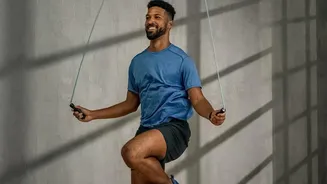
When it comes to cardiovascular fitness, jumping rope is a powerhouse. It rapidly elevates your heart rate, providing a vigorous workout that strengthens your heart muscle and improves circulation. Studies have shown that just ten minutes of jumping rope can
offer similar cardiovascular benefits to a 30-minute jog. This high-intensity activity burns a significant number of calories in a short amount of time, making it an incredibly efficient way to improve your stamina and overall heart health. The exercise forces your body to use fuel stored in the muscles for energy, engaging your anaerobic system for short, fast bursts of movement.
The Brain-Body Connection
Beyond the burn, the real magic of jumping rope lies in its ability to enhance coordination. The exercise is a complex dance of timing, rhythm, and balance. It requires your brain to synchronise the movements of your hands, wrists, and feet with precision. Each swing and hop forces your upper and lower body to work in perfect unison, strengthening the neural pathways that control your motor skills. This constant communication between your brain and body sharpens your reflexes, improves your sense of rhythm, and boosts overall agility.
More Than Just a Jump
The benefits don't stop at heart health and coordination. The repetitive, low-impact nature of jumping rope helps to build bone density, as the stress on your bones stimulates growth and strength. This can be particularly beneficial in slowing age-related bone loss. Furthermore, jumping rope is a full-body workout that engages your calves, quads, and glutes, while also toning your core, shoulders, and arms. The need to stay light on your feet and make quick adjustments improves your body's ability to react, which translates to better performance in other sports and daily activities.
Getting Started on Your Journey
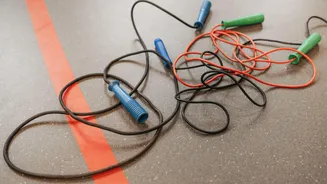
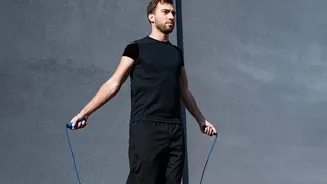
Beginning your jump rope journey is simple. First, find a rope that fits. To size it correctly, stand on the middle of the rope with one foot; the handles should reach your armpits. When you start, focus on proper form. Maintain an upright posture with your eyes looking forward, not down. Keep your arms close to your body and let the rotation come from your wrists, not your shoulders. Jump just high enough to clear the rope—only an inch or two off the ground—and land softly on the balls of your feet with your knees slightly bent. Start with short sessions, perhaps just a minute at a time, to build rhythm and muscle memory without getting discouraged.
How to Progress and Stay Challenged
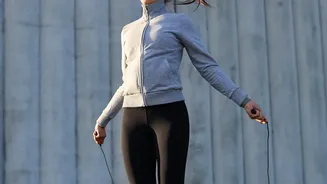
Once you've mastered the basic bounce, you can start introducing new challenges to keep your mind and body engaged. Try the alternate-foot step, which mimics running in place. As you become more comfortable, you can incorporate variations like high knees or ski jumps (hopping side to side). For an even greater challenge to both your coordination and cardiovascular system, you can experiment with faster speeds or even weighted ropes, which add resistance and demand more work from your upper body and core. The key is to keep it fun and consistently push your boundaries to continue reaping the benefits.