


What Makes Tea 'Speciality'?
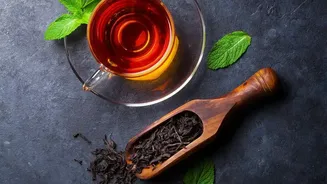
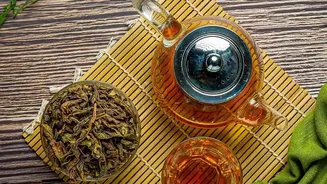
Before diving into labels, it helps to know what “speciality tea” means. Unlike mass-produced commodity teas designed for consistency, speciality teas are prized for their unique character. They are often produced in smaller quantities, using higher-grade
whole or large-fragment leaves, which hold more essential oils and deliver a more complex flavour. This category includes everything from delicate white teas to complex oolongs, all cultivated and processed with meticulous care to preserve their distinct qualities. The goal isn't just a caffeine boost, but an experience of aroma and taste.
The Power of Place: Why Origin Matters
Like fine wine, a tea’s flavour is profoundly shaped by its “terroir”—the unique combination of soil, climate, altitude, and local environment where it's grown. This is why teas from specific regions, like Darjeeling, Assam, or the Nilgiris in India, have protected Geographical Indication (GI) tags. A Darjeeling tea grown in its high-altitude, cool climate will have a distinct floral and muscatel flavour that simply can't be replicated elsewhere. The soil's chemistry, from the volcanic earth of Kenya to the clay of Assam, also imparts subtle notes of minerality and texture. Paying attention to the origin—whether a broad region or a specific single estate—gives you the first major clue about the tea’s expected flavour profile.
Single-Origin vs. Blends
On your shopping journey, you'll encounter two main categories: single-origin teas and blends. A single-origin tea comes from one specific location, which could be a country, a region, or even a single farm. These teas showcase the pure expression of a particular terroir and are often celebrated for their unique, unadulterated character. Blends, on the other hand, combine teas from different origins, cultivars, or harvests. Blending is an art form used to create a consistent flavour profile year after year, balance different characteristics, or develop a specific taste, like a robust English Breakfast tea. Neither is inherently better; the choice depends on whether you prefer the unique and sometimes variable character of a single-origin or the reliable and balanced profile of a well-crafted blend.
Decoding the Ingredients List
When a tea is more than just pure leaf, the ingredients list is your best friend. In India, regulations require ingredients to be listed in descending order by weight, so the first one is the most dominant. Be mindful of the difference between actual inclusions and flavourings. A tea with “dried ginger pieces” will offer a different experience than one with “natural ginger flavour.” Look for real, recognizable ingredients like flowers, spices, and dried fruit. Watch out for vague terms like "flavouring" without the word "natural." While “natural flavouring” is derived from natural sources, it is still created in a lab; “artificial flavouring” is entirely synthetic. While not necessarily harmful, these additives can sometimes mask lower-quality base tea. The more transparent the list, the better.
Look for Trust Marks and Certifications
To ensure quality and authenticity, look for official logos and numbers on the packaging. In India, every legally sold packaged food, including tea, must display a 14-digit FSSAI licence number. For regional specialities, logos for Darjeeling, Assam, and Nilgiri teas are certification marks owned by the Tea Board of India, guaranteeing 100% authentic tea from that region. The Tea Board has also recently introduced a voluntary 'Tea Mark' logo, which certifies that the tea has been tested for quality and its origin is traceable through a digital system. While not yet mandatory, this mark adds another layer of trust for consumers seeking verified quality.