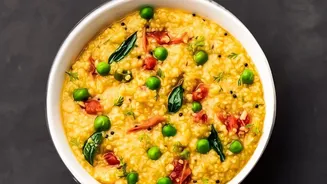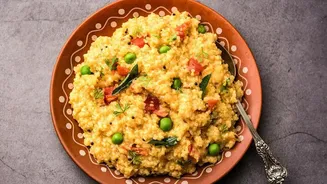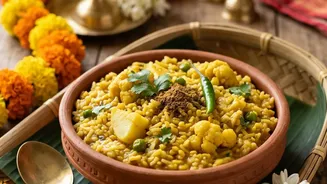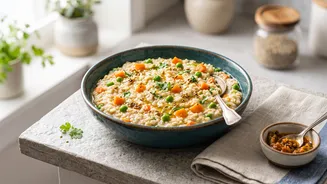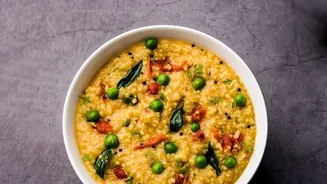





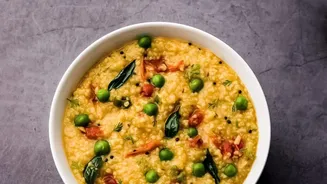
Oats are a breakfast champion, and khichdi is the ultimate comfort food. Combining them into oats khichdi sounds like a nutritional masterstroke, especially for fitness enthusiasts. But is this wholesome dish truly the endurance booster it's made out
to be?
The Allure of a 'Super' Khichdi
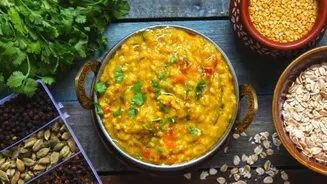
The logic seems flawless. Oats are celebrated for being rich in complex carbohydrates and beta-glucan fiber, known to support heart health and provide sustained energy. Khichdi, traditionally made with rice and lentils, is a balanced, easily digestible meal recommended for recovery. Merging the two creates a dish that feels both modernly healthy and traditionally grounding. It promises the slow-release energy of oats combined with the protein from dal and the nourishing comfort of a one-pot meal. For anyone looking to fuel their runs or workouts with wholesome, home-cooked food, oats khichdi presents itself as the perfect candidate—a seemingly ideal blend of carbohydrates, protein, and fibre.
What Endurance Really Demands
To understand why oats khichdi might not be a guaranteed winner, we first need to look at what the body needs for endurance activities like long-distance running or cycling. The primary fuel for sustained, high-intensity exercise is carbohydrates, stored in our muscles and liver as glycogen. An ideal pre-workout meal, especially before a long session, should be rich in easily digestible carbohydrates that provide a steady supply of energy without causing digestive distress. While a low glycemic index (GI) is good for sustained energy over several hours, foods eaten closer to a workout should be simpler to avoid sluggishness. Fat, protein, and especially fiber slow down digestion. When you start exercising, blood flow is diverted from your digestive system to your working muscles. A stomach full of slow-digesting food can lead to cramps, bloating, and discomfort—the last thing any athlete wants.
Where Oats Khichdi Can Fall Short
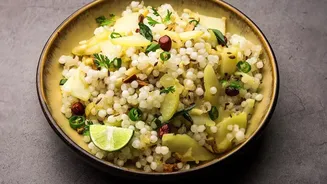
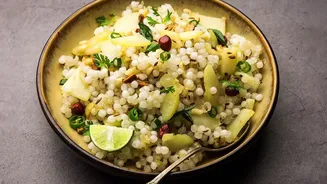
The very thing that makes oats healthy—their high fiber content—can be their downfall as a pre-workout meal. A typical serving of oats khichdi can contain a significant amount of fiber. This fiber slows down stomach emptying. If you eat it too close to a run, your body is forced to compete for resources: digesting the bulky meal versus sending blood to your legs. This can leave you feeling heavy and sluggish. Furthermore, the preparation matters. Many oats khichdi recipes include a variety of vegetables (adding more fiber) and a 'tadka' of oil or ghee. While healthy, the added fat further slows digestion. In contrast, simpler pre-run meals like a banana, poha, or a few idlis provide carbohydrates that are much quicker and easier for the body to access for immediate energy.
It's All About Timing and Tuning
This doesn't mean oats khichdi is an unhealthy dish. It is incredibly nutritious, but its role in an athlete's diet is a matter of context and timing. As a prendurance meal, it's best consumed at least 2nd3 hours before your activity, allowing ample time for digestion. If your workout is sooner, you're better off with a lowfiber option. You can also 'tune' your khichdi for better preworkout performance. Consider reducing the amount of highfiber vegetables and fats. Using quickercooking oats might also be gentler on the stomach than steelcut varieties. Perhaps the best role for a hearty bowl of oats khichdi is not before, but after your workout. Its blend of carbohydrates and protein makes it an excellent recovery meal, helping to replenish glycogen stores and repair muscle tissue.