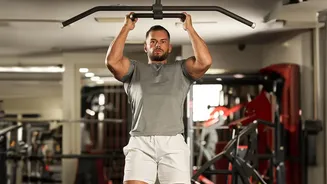







Across India's bustling cities, a quiet revolution is taking place. The definition of fitness is expanding beyond the treadmill, with more urban residents embracing strength training not just for aesthetics, but for a more resilient, capable life.
From Cardio to Compound Lifts
For
years, the narrative around fitness in urban India was dominated by one goal: losing weight. This often translated into endless hours of cardio, from morning runs in city parks to long sessions on the elliptical. While cardiovascular health remains crucial, a significant shift is underway. City dwellers are realising that a truly active life requires more than just endurance; it demands strength. The conversation is moving from subtraction (burning calories) to addition (building muscle and capacity). This change is driven by a desire for functional fitness — the strength to handle daily life with ease, from carrying heavy groceries up several flights of stairs to maintaining good posture during long hours at a desk.
Building Your 'Urban Armour'
Life in a metropolitan city is demanding, both physically and mentally. Strength training is increasingly seen as a way to build 'urban armour' — a resilient body that can withstand the rigours of a fast-paced environment. The focus is on functional movements that mimic real-life activities, like squats, deadlifts, and overhead presses. These exercises build a strong foundation, protecting joints from injury, improving balance to navigate crowded streets, and boosting overall endurance. The goal isn't necessarily to become a bodybuilder, but to develop a body that is a capable and reliable partner in daily life, helping to prevent the aches and pains that come from a sedentary desk job.
A Workout for Your Mind
Perhaps one of the most compelling drivers of this trend is the profound impact of strength training on mental health. In a post-pandemic world where many feel a loss of control, lifting weights offers a tangible sense of empowerment and accomplishment. Research shows that resistance training can significantly reduce symptoms of anxiety and depression, sometimes as effectively as medication. The release of endorphins, dopamine, and serotonin during a workout improves mood and provides a healthy outlet for stress. The focus and discipline required in the gym also translate into greater mental clarity and confidence outside of it, a crucial benefit for navigating high-pressure urban careers.
Strength Training for All Ages
The trend isn't limited to young professionals. A growing number of older urban residents are also discovering the benefits of lifting weights. Concerns about longevity, mobility, and preventing age-related muscle loss are motivating people in their 50s, 60s, and beyond to embrace strength work. For older adults, resistance training is critical for maintaining bone density, which can help prevent osteoporosis, and for improving balance, a key factor in reducing the risk of falls. Trainers report a notable increase in older clients, many of whom are encouraged by their children or seeking to rehabilitate injuries and build a foundation for healthy aging.
How to Get Started
Getting started with strength training is more accessible than ever. For beginners, the key is to start slow and focus on proper form to prevent injury. Hybrid fitness models are popular, allowing people to mix sessions at a physical gym with home workouts. Bodyweight exercises like squats, pushups, and planks are a great entry point that require no equipment. For those who prefer guidance, options range from traditional gyms and personal trainers to specialised studios for CrossFit or Pilates, which also focus on core strength. Experts recommend starting with two to three sessions a week, focusing on fullbody workouts rather than isolating specific muscles.