





It's Not How Much, But How Fast
For decades, flood warnings were primarily about volume—how many millimetres of rain were expected over a day or the entire monsoon season. But a more critical factor is now taking centre stage: rainfall intensity. This measures how much rain falls per
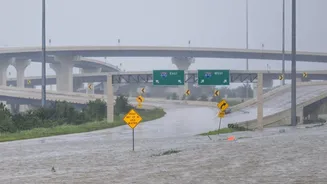
hour. Think of it like this: drinking a litre of water over a day is easy, but having that same litre thrown at you in a few seconds is a shock to the system. Similarly, 100 mm of rain spread over 24 hours can often be managed, but 100 mm falling in just two hours can trigger chaos. This is because high-intensity rainfall overwhelms the capacity of the ground and drainage systems to absorb water, leading to rapid surface runoff. That sudden rush of water is what causes flash floods and brings cities to a standstill.
Why Our Cities Can't Cope
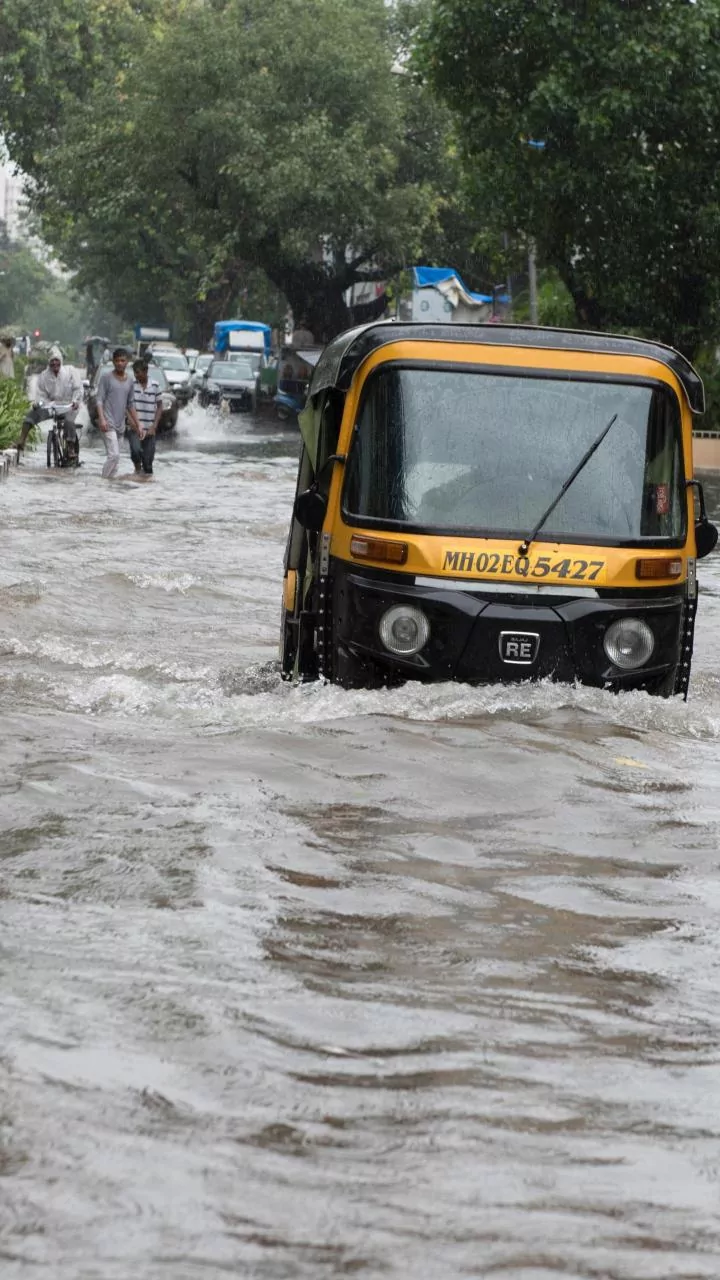
Indian cities are particularly vulnerable to high-intensity rain. Decades of rapid, often unplanned, urbanisation have replaced permeable soil and green spaces with impermeable concrete and asphalt. When a massive amount of rain falls in a short period, it has nowhere to go. Natural drainage channels and floodplains have often been encroached upon or narrowed, and stormwater drains, which may have been designed for a different era of gentler rain, are quickly overwhelmed. The result is severe waterlogging in major cities like Mumbai, Bengaluru, and Delhi, where critical infrastructure can be paralysed by just a few hours of extreme downpour. Studies show that as the built-up area in a city like Bengaluru increases, vegetation cover plummets, drastically reducing the ground's ability to act as a natural sponge.
A Signature of a Changing Climate
The increasing frequency of these intense rain events is a direct consequence of climate change. A warmer atmosphere can hold more moisture—about 7% more for every 1°C rise in temperature. This leads to more moisture being available to be released in short, extreme bursts. Studies indicate that India has seen a significant rise in extreme rainfall events in recent decades and that this trend is set to continue. One analysis projects a potential 43% increase in the intensity of extreme rainfall events across the country by 2030, with eight out of ten districts expected to experience more frequent and erratic downpours. This means that even if the total monsoon rainfall in a year is 'normal' or 'below normal', the risk of devastating floods from short, intense spells remains high.
When the Ground is Already Saturated
The problem isn't confined to cities. In rural and hilly areas, rainfall intensity combines with another factor: soil moisture. If heavy rain falls on ground that is already wet from previous showers, the soil's capacity to absorb more water is low. This is particularly dangerous in regions like Uttarakhand and Himachal Pradesh, where near-saturated soil on slopes can quickly lead to flash floods and landslides when hit with a sudden, intense downpour. Forecasts now often include flash flood risk assessments based on soil saturation levels, highlighting how the ground's condition before the rain is as important as the rain itself.
Rethinking Our Defences for a New Reality
Tackling this challenge requires a fundamental shift in how we plan and build. Simply cleaning drains before the monsoon is no longer enough. Experts and planners are now calling for a move towards creating 'sponge cities'. This approach uses nature-based solutions like restoring wetlands and lakes, creating rain gardens, and using permeable pavements that allow water to soak into the ground rather than running off into drains. Alongside this, forecasting systems must evolve to provide clear warnings about rainfall intensity, not just total volume, giving authorities and citizens crucial time to prepare for sudden deluges. Cities like Pune, Ahmedabad, and Chennai are already experimenting with these green infrastructure solutions, integrating them with traditional engineering to build resilience for a future where the rain falls faster and harder.