







The Old Story: A Game of Size and Shape
For decades, the words “resistance training” or “weightlifting” painted a very specific picture: gyms filled with mirrors, dominated by athletes focused on building massive muscles for competition or appearance. This perception, particularly strong in past
decades, created a high barrier to entry. It suggested that lifting weights was only for those chasing a certain look, often leaving women fearing they'd get too 'bulky' and average individuals feeling intimidated or out of place. The conversation was almost exclusively about aesthetics—bicep curls, six-pack abs, and building a physique that looked good, without much emphasis on what that strength could actually do in the real world. This narrow framing meant millions missed out on profound health benefits because the packaging just didn't feel relevant to their lives.
The New Focus: Strength for a Better Life
Today, that narrative is being rewritten. There is a clear and powerful shift away from training for looks and toward training for life. This new, practical framing is built on the concept of 'functional fitness'—building strength that directly translates to everyday activities. Think about easily lifting grocery bags, picking up your child without back pain, or having the stability to prevent a fall. The goal is no longer just to look strong, but to be strong in ways that enhance your quality of life, support independence as you age, and increase your 'healthspan'—the number of years you live in good health. This evolution reflects a growing public understanding that muscle is a key factor for longevity and overall wellness.
The Whole-Body Payoff
The scientific community has strongly backed this shift. Regular resistance training does more than just build visible muscle. It's linked to a lower risk of all-cause mortality, with studies showing stronger individuals tend to live longer. It is a powerful tool for managing and preventing chronic diseases; by improving how your body handles blood sugar, it can reduce the risk of type 2 diabetes. It also fortifies your skeleton, increasing bone density and lowering the risk of osteoporosis. The benefits extend to your brain, with research showing strength training can improve cognitive function and protect against age-related mental decline. It even plays a role in boosting your metabolism, as muscle tissue burns more calories at rest than fat does.
Your Practical Starting Point
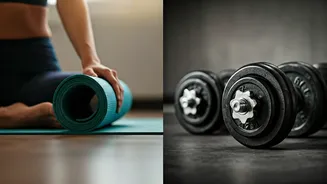
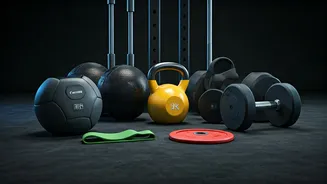
The best part about this new approach is its accessibility. You don't need a high-tech gym or a bodybuilder's routine to start. In fact, new guidelines emphasize that consistency is more important than complexity. You can begin at home with simple, effective exercises. Bodyweight movements like squats, push-ups (even on your knees), and lunges are a fantastic foundation. Inexpensive tools like resistance bands can also provide a great workout. The key is to focus on proper form first and then gradually increase the challenge—a principle called progressive overload. Aiming for just two sessions a week can produce significant benefits. If you're unsure where to begin, a few sessions with a certified trainer can provide a personalized plan and teach you the correct form to prevent injury.