





The Double-Edged Sword of Monsoon Rains
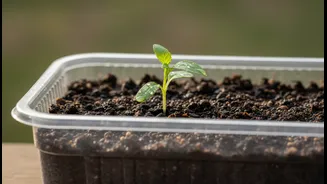
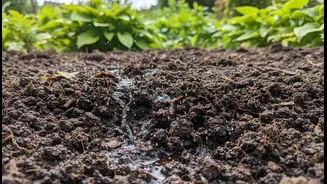
The rainy season is a time of vigorous growth, with plants pushing out new leaves and flowers. However, the same life-giving rain can become a major threat. Continuous downpours saturate the soil, and when pots and garden beds can't drain effectively,
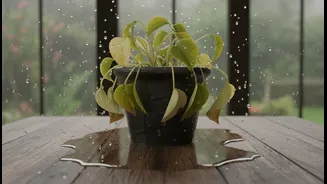
roots are left sitting in water. This condition, known as waterlogging, suffocates roots by cutting off their oxygen supply. It's the primary cause of root rot, a fungal disease that can quickly turn a healthy plant into a wilted, yellowing mess. High humidity and wet leaves also create the perfect breeding ground for other fungal diseases like powdery mildew and leaf spot, while pests like slugs and snails thrive in the damp conditions.
Mastering the Art of Drainage
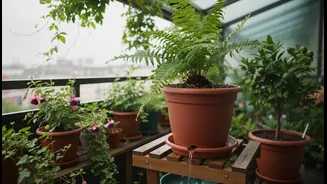
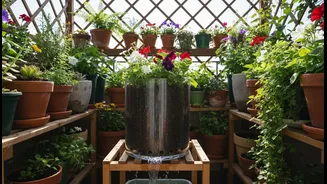
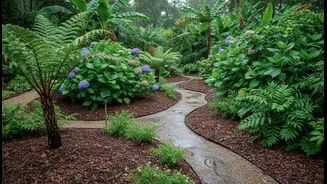
The number one rule of monsoon gardening is to ensure excellent drainage. Waterlogged soil is the fastest way to lose plants. For potted plants, start by checking that every container has functioning drainage holes. If they are blocked, clear them out. Elevating pots on bricks, stones, or pot feet is a simple but highly effective trick. This small gap underneath allows excess water to escape freely and improves air circulation around the base. Avoid letting pots stand in saucers filled with water. For garden beds, especially in low-lying areas, creating shallow channels can help guide excess water away. Amending your soil is also crucial. Before the rains begin, mix in materials like compost, perlite, or coarse sand to create a lighter, more porous structure that doesn't compact easily.
The Pruning Power Play
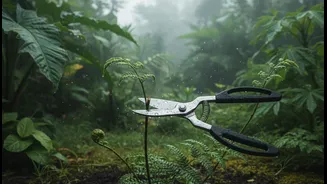
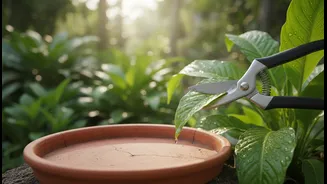
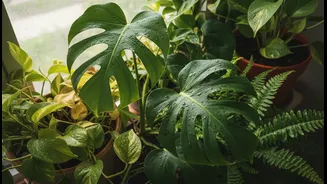
Pruning during the monsoon is not about aggressive shaping but strategic maintenance. The goal is to improve air circulation and reduce the risk of disease. Trim away any dead, damaged, or yellowing leaves, as these are often the first places where fungal infections take hold. Thinning out dense clusters of branches and leaves allows air to move freely through the plant, helping the foliage dry faster after a shower. This simple act drastically reduces the chances of fungal growth. It's also a good idea to remove spent flowers (deadheading) to encourage the plant to direct its energy towards new, healthy growth instead of seed production. For any pruning, always use clean, sharp tools to make precise cuts that heal quickly.
Beyond the Basics: The Ultimate Flex
Once you have drainage and pruning down, a few extra steps can truly make your garden stand out. First, adjust your watering schedule. With frequent rain, your plants won't need as much manual watering. Always check the soil moisture an inch or two down before reaching for the watering can. Second, keep an eye out for pests. Slugs, snails, and aphids are common during this season. Regular inspections allow you to tackle any infestations early, using organic methods like neem oil spray. Finally, consider mulching. Applying a layer of organic mulch like straw or wood chips before the heavy rains can prevent soil erosion, suppress weeds, and stop soil-borne diseases from splashing onto leaves. However, be sure to keep the mulch a few inches away from the plant stem to prevent rot.
Essential Tools for Monsoon Mastery
You don't need a shed full of expensive equipment to manage your garden during the monsoon. A few key tools will make all the difference. A good pair of bypass pruners is essential for making clean cuts on stems and small branches. A hand trowel or a garden fork is useful for gently loosening compacted topsoil to improve aeration after heavy rain. For container gardeners, having a supply of pot feet, bricks, or even broken tile pieces on hand to elevate your pots is a must. And if you're dealing with waterlogged soil, a simple tool like a bamboo skewer can be used to carefully poke aeration holes into the soil, allowing air to reach the struggling roots.