
Beyond the Blink-and-You-Miss-It Runway
For decades, the fashion show has been a frantic, 15-minute spectacle. But a new mood is settling over haute couture, the pinnacle of fashion artistry. Instead of a fast-paced runway, some of the world's most revered designers are opting for static presentations,
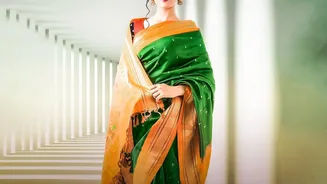
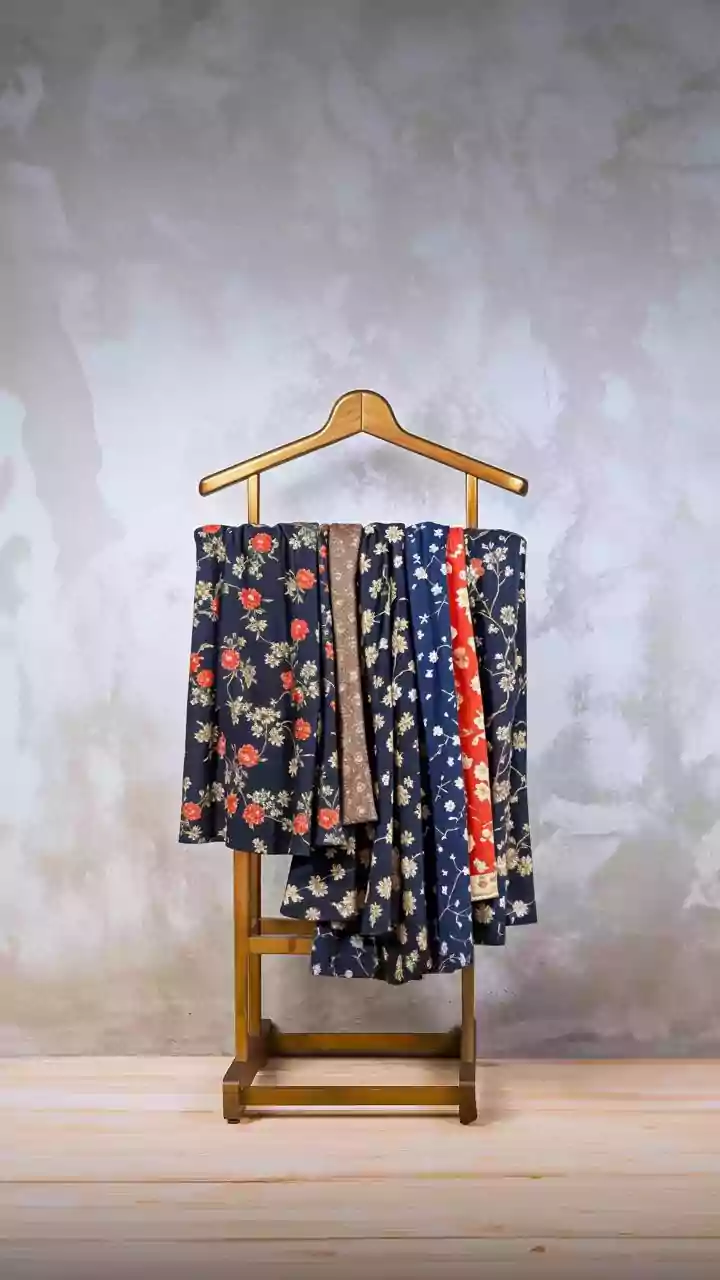
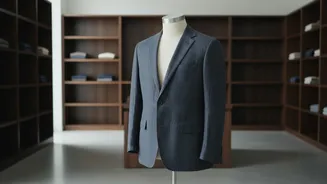
salon-style shows, and immersive exhibitions. This format invites guests to linger, look closer, and appreciate garments not as fleeting images but as objects of immense craft. At recent couture weeks, designers like Tarun Tahiliani have mounted immersive presentations, allowing the ensembles to be explored. The goal is to shift focus from the spectacle to the substance, allowing the painstaking work of the ateliers—the heart of couture—to take centre stage.
A Quiet Rebellion Against Digital Overload
This shift can be seen as a direct response to the relentless pace of digital media. While social media democratised fashion, it also created an economy where clothes are consumed through a screen, valued for their viral potential rather than their intrinsic quality. The exhibition format is a quiet rebellion against this. By creating a physical, unhurried environment, designers are forcing a different kind of engagement. One notable Valentino collection was presented through individual peepholes, compelling the audience to focus on one creation at a time. The format teaches the viewer to be still, to assume a position of attention, and to savour the details that are lost in a quick scroll. This deliberate slowing down is a core tenet of the broader 'slow fashion' movement, which prioritises quality, longevity, and mindful consumption.
The Art of Exquisite Detail
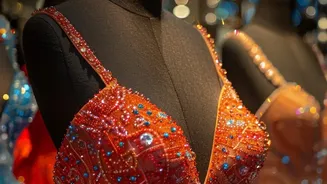
Exhibition-style presentations give craftsmanship the spotlight it deserves. When a garment is stationary, the eye can appreciate the thousands of hours that go into its creation. At recent shows, the true stars were the techniques. Chanel showcased a trompe-l'œil effect, where embroidery mimicked lace, with some petals left partially detached to create three-dimensionality. Schiaparelli's sculptural jackets featured patterns inspired by Gaudí's trencadís, requiring over 11,000 hand-painted elements and nearly 2,800 hours of work. Similarly, Indian couturiers like Rahul Mishra and JJ Valaya are increasingly focusing on wearable storytelling, where intricate embroidery and traditional crafts are woven into the narrative of the garment. This focus on detail is something that a fast-moving runway simply cannot convey.
A Deeper Connection for Client and Creator
For the select clients who purchase haute couture, this slower format offers a more profound connection to their investment. It allows for a deeper understanding of the materials, the construction, and the artistic vision behind a piece. Designers benefit as well. The format provides greater control over their narrative, allowing them to frame their work in a specific context, much like a museum curator. By pairing collections with art, historical artefacts, or specific architectural settings, they can highlight influences and tell a richer story. This shift transforms a fashion show from a marketing event into a cultural one, reinforcing couture's status as a wearable art form. Young designers, in particular, are using this approach to emphasise their commitment to artisanal skills and ethical production, setting them apart from larger, corporate-owned houses.