








The Scale of the Spoilage
India is a world leader in vegetable production, yet a significant portion of this bounty is lost before it can reach consumers. Estimates on post-harvest losses for fruits and vegetables range widely, from 5% to as high as 40% in some reports, translating
into a financial loss valued at thousands of crores annually. Much of this wastage occurs during handling, transit, and, most critically, at the wholesale markets, or mandis, that form the nerve centre of India's agricultural trade. Here, produce arriving from countless farms meets a bottleneck where infrastructure has not kept pace with production.
A Day in the Life of a Mandi
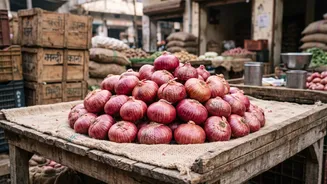
For much of the produce, a mandi is an unforgiving environment. Vegetables are often transported in traditional gunny sacks rather than sturdy crates, leading to crushing and bruising. Upon arrival, they are typically piled in open-air sheds, exposed to fluctuating temperatures, humidity, rain, and pests. With limited or non-existent cold storage facilities at many mandis, the biological clock of these perishable items ticks away rapidly. For highly perishable items like tomatoes, leafy greens, and guavas, a delay of even a few hours in the sweltering heat can lead to significant deterioration in quality and value.
The Vicious Cycle of 'Distress Sales'
This lack of storage infrastructure forces farmers into a corner. Knowing their produce will not last, they are compelled to sell immediately upon arrival at the mandi, regardless of the prevailing price. This situation, known as a 'distress sale', is common during peak harvest seasons when a glut of produce floods the market. Farmers, often smallholders with limited financial cushions, have no bargaining power and must accept whatever price is offered by traders. The result is a cycle of low income for farmers, even in times of bumper crops, and volatile prices for consumers. The waste reduces overall supply, which can ironically lead to price spikes for the produce that does survive the journey to retail.
What 'Improved Storage' Really Means
Improving storage is about more than just building warehouses. It involves creating a comprehensive 'cold chain'—an uninterrupted series of refrigerated storage and transport facilities. At the mandi level, this means installing pre-cooling units to quickly bring down the field heat from freshly harvested produce. It requires modern cold storage chambers where temperature and humidity can be precisely controlled to extend the shelf life of different vegetables. Furthermore, it includes having dedicated areas for sorting, grading, and packaging produce in a way that minimises damage, and using refrigerated vehicles for onward transport.
The Ripple Effect of Better Infrastructure
Investing in modern storage at wholesale mandis has a transformative ripple effect. For farmers, it breaks the cycle of distress sales, allowing them to store their produce and sell when prices are more favourable, potentially boosting their incomes. For consumers, it means a more stable supply of higher-quality, fresher vegetables at more predictable prices. For the nation, it enhances food security by reducing the staggering amount of waste. Recognizing this, government initiatives like the Agriculture Infrastructure Fund (AIF) are providing financial support and subsidies to develop post-harvest management assets, including cold storage facilities, to modernise this critical link in the food supply chain.