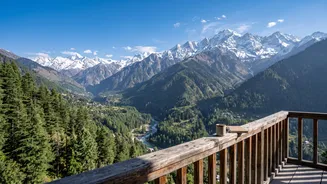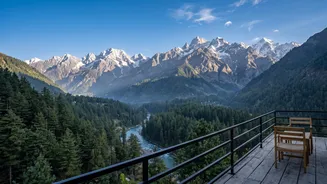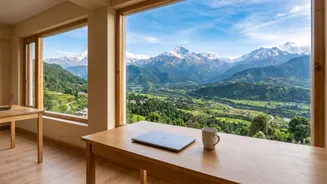






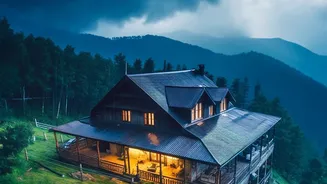
The Connectivity Shift in Parvati Valley
Not long ago, the idea of a productive work-from-mountains experience in Kasol was a gamble. Patchy network and unreliable Wi-Fi meant it was a destination for disconnecting, not for meeting deadlines. That narrative has changed dramatically. A growing
number of hostels and guesthouses have recognized the rise of the digital nomad and invested heavily in their infrastructure. The primary upgrade has been the installation of high-speed fibre optic internet, transforming the town from a digital dead zone into a thriving workation hub. Hostels now actively compete to offer the most stable and fast connections, specifically advertising their properties as being 'work-from-home' ready. This shift caters directly to a new wave of travellers: tech professionals, creatives, and entrepreneurs from across India who want to blend productivity with the peace of the Parvati Valley.
What 'High-Speed' Means for a Tech Employee
For a tech employee, 'high-speed internet' isn't about scrolling through social media. It’s the ability to handle a Zoom call without freezing, push code to a repository, and download large files efficiently. Anything less than 25-30 Mbps can bring a workday to a halt. Recognizing this, leading hostels in Kasol are now providing speeds that are genuinely functional for demanding digital tasks. Some establishments in the region report offering connections that consistently test between 25 and 50 Mbps. While this may not rival the gigabit speeds of a metro city, it is more than sufficient for most remote work requirements. Furthermore, mobile connectivity has also improved significantly. Both Jio and Airtel now provide strong 4G coverage in Kasol and its surrounding villages, offering a reliable backup option should the primary Wi-Fi face any issues—a common concern in mountainous regions.
An Ecosystem Built for Productivity
A successful workation requires more than just a fast internet connection. The most forward-thinking hostels in Kasol have curated a complete ecosystem to support remote workers. This starts with dedicated common areas that function as co-working spaces, offering comfortable seating and ample charging points. Many have invested in power backup solutions, like inverters or generators, to mitigate the impact of the occasional mountain power cut. In-house cafes are another crucial element. Places like AmigosIndia's rooftop Rollers Cafe or the vibrant cafes at Zostel and The Hosteller offer not just good coffee and food, but also a space to work, network, and socialize. This creates a built-in community of like-minded professionals, combating the isolation that can sometimes come with remote work and fostering opportunities for collaboration and connection. It’s this combination of infrastructure and community that makes the experience truly seamless.
How to Choose Your Mountain Workspace
With dozens of options available, finding the right workation hostel in Kasol requires a little research. While major chains like The Hosteller, Zostel, and goSTOPS are often a safe bet for reliable amenities, many independent and boutique hostels like Whoopers and Nomads Hostel also offer excellent facilities. Start by filtering your search on booking platforms for properties with Wi-Fi, but don't stop there. Read recent reviews from the last few months, specifically looking for comments from other remote workers about internet speed and stability. Pay attention to the location—hostels in the main Kasol market are easily accessible, while those in nearby villages like Katagla or Choj offer more tranquility but might have slightly different connectivity profiles. Before making a long-term booking, it's always a wise move to contact the hostel directly. Ask them about their internet service provider, typical speeds, and their power backup situation. A quick message can save you a lot of future frustration.