



From Concrete Jungles to Green Havens
Apartment living in cities like Mumbai, Delhi, and Bengaluru often means being surrounded by a relentless landscape of concrete and glass. In response, a powerful design movement is blossoming: bringing the outdoors in. Known as biophilic design, this
trend is about more than just placing a few pots on a windowsill. It’s a holistic approach to creating indoor environments that reconnect us with nature. This shift is rapidly gaining popularity across urban India, as homeowners seek to trade the stress of the city for the tranquility of a personal, green retreat. It represents a move away from flashy, over-decorated spaces towards thoughtful designs that promote calm and well-being.
The Drivers: Wellness, Sustainability, and Identity
So, why the sudden surge in natural aesthetics? Several factors are at play. The post-pandemic era has placed a huge emphasis on wellness, with people recognising that their home environment directly impacts their mental and physical health. Incorporating natural elements has been shown to reduce stress and improve air quality. There's also a growing eco-consciousness. Consumers are increasingly seeking sustainable and locally sourced materials, moving away from mass-produced items. Materials like bamboo, jute, reclaimed wood, and terracotta are not only environmentally friendly but also connect homeowners to India's rich heritage of craftsmanship. This trend is about creating a home that tells a story and reflects personal values, not just following a fleeting style.
Key Elements of the Natural Look
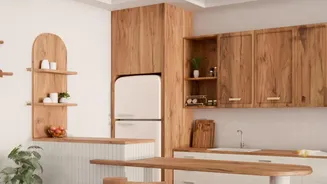
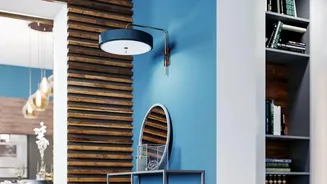
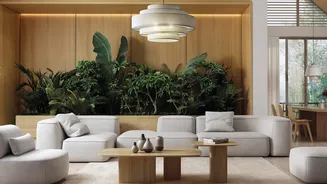
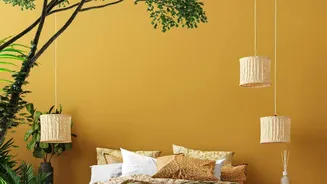
Adopting this style is about layering textures, colours, and life. The foundation is an earthy colour palette, with shades of terracotta, sage green, beige, and muted browns dominating. These warm, grounded tones work beautifully in the golden sunlight common across India. Natural materials are essential. Think furniture made of Sheesham, teak, or mango wood, and accents of cane, rattan, and jute in lamps, rugs, and baskets. Of course, plants are central to the theme. Low-maintenance options like snake plants, money plants (pothos), and areca palms are perfect for busy urbanites, adding a splash of life and purifying the air. Even botanical prints on textiles or art can evoke a sense of nature.
Making It Work in Smaller Spaces
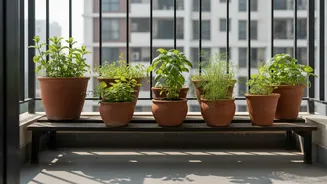
Limited square footage doesn't have to be a barrier to creating a natural oasis. In fact, many biophilic principles are perfectly suited for compact apartments. Maximising natural light is key; using sheer curtains instead of heavy drapes can make a room feel larger and more open. Vertical gardens and wall-mounted planters are brilliant solutions for adding greenery without sacrificing precious floor space. Multi-functional furniture made from natural woods can also help maintain an uncluttered, organic feel. Even small touches, like a tabletop water feature, a cluster of terracotta pots on a balcony, or a single piece of handcrafted wooden decor, can make a significant impact, fostering a connection to the natural world.