




Why Choose Natural Solutions?
When you spot pests on your indoor plants, your first instinct might be to eliminate them as quickly as possible. However, using chemical pesticides indoors can introduce unwanted substances into your living space, posing potential risks to children,
pets, and your home's air quality. Natural solutions offer a gentler yet effective alternative. They target pests without leaving harsh residues on your plants or in your home. By opting for methods like neem oil and soapy water, you are choosing a path that is safer for your family, better for your plants, and more in harmony with a healthy home environment.
The Power of Neem Oil
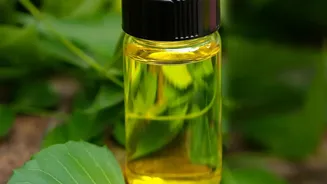
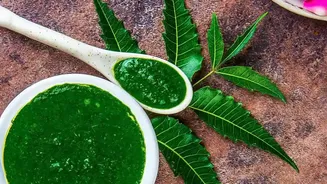
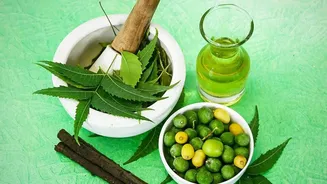
Neem oil is a cornerstone of natural gardening in India and around the world, derived from the seeds of the Azadirachta indica tree. It's not an instant-kill poison; rather, it works in more subtle ways. The active compound, azadirachtin, disrupts the life cycle of pests. It can prevent insects from feeding, inhibit their growth, and interfere with their ability to reproduce. This makes it a powerful tool against a wide array of common houseplant pests, including aphids, mealybugs, spider mites, and whiteflies. It can also help prevent fungal issues like powdery mildew. Because it is plant-based and biodegradable, it's a responsible choice for the eco-conscious plant parent.
How to Mix and Use Neem Oil
Creating your own neem oil spray is simple and cost-effective. For a standard solution, you will need cold-pressed neem oil, a mild liquid soap (which acts as an emulsifier to help the oil and water mix), and a spray bottle. A common recipe is to mix 1 teaspoon of neem oil and a few drops of liquid soap into 1 litre of warm water. Shake the bottle vigorously to combine the ingredients. It is crucial to use the mixture immediately, as the active compounds in neem oil begin to break down once diluted. Before spraying your entire plant, always test the solution on a single leaf and wait 24-48 hours to ensure there is no damage or burning. This simple step can save your plant from potential sensitivity.
Simple Yet Effective: Soapy Water
One of the most accessible pest control solutions is already in your home: soapy water. This simple mixture is surprisingly effective against soft-bodied insects like aphids, spider mites, and mealybugs. The science is straightforward: the soap works to break down the protective outer layer, or cuticle, of these pests, causing them to dehydrate and die. It's a contact solution, meaning it must directly touch the pests to work. The advantage is that it has no residual effect, making it very safe to use indoors and harmless to beneficial insects that aren't directly sprayed.
The Perfect Soapy Water Recipe
To make an effective insecticidal soap spray, it's important to get the concentration right. A solution that is too strong can damage your plant's leaves. Aim for a 1-2% soap solution. A good starting point is to mix 1 to 2 teaspoons of a mild liquid dish soap into 1 litre of water. Be sure to use a simple soap without any degreasers, bleach, or other harsh additives, as these can be phytotoxic, or harmful to plants. Just like with neem oil, it is wise to test your soapy water spray on a small part of the plant first to check for any negative reactions. After application, some gardeners prefer to rinse the plant with plain water after a few hours to remove any soap residue.
Best Practices for Application
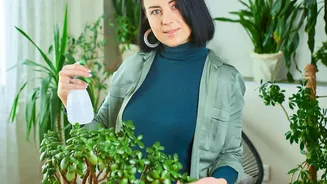
For both neem oil and soapy water to be effective, proper application is key. Since pests often hide on the undersides of leaves and in the crevices where leaves meet stems, you must be thorough. Ensure you spray all surfaces of the plant for complete coverage. The best time to treat your plants is in the early morning or late evening. Applying these sprays in direct, hot sun can cause the leaves to burn as the oil or soap intensifies the sun's rays. Consistency is also vital. Because these solutions don't kill eggs, you will likely need to reapply them every 5-7 days for a few weeks to break the pest life cycle and handle any newly hatched insects.