






From Lockdown Necessity to Lifestyle Choice
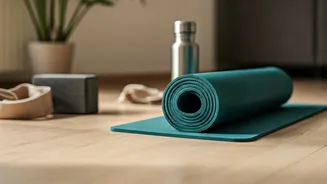
It began abruptly. In early 2020, the closure of gyms and fitness studios across India forced a massive, unplanned experiment in home fitness. What started with makeshift yoga mats and shaky Instagram Live sessions quickly evolved. People discovered that
the commute to the gym wasn't as essential as they thought. The initial scramble for any form of physical activity planted a seed: fitness could be more accessible, personal, and convenient than ever before. This wasn't just about replacing the gym; it was about fundamentally rethinking our relationship with exercise, fitting it into the nooks and crannies of our locked-down lives.
The Digital Fitness Boom
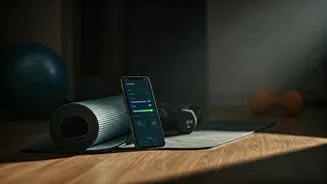
Technology was the great enabler. The demand for digital fitness solutions exploded, and the market responded with incredible speed. In India, platforms like Cult.fit (formerly Cure.fit) rapidly expanded their digital offerings, providing live classes that simulated the energy of a group session. International apps like Apple Fitness+, Peloton, and Nike Training Club saw a surge in subscribers. Beyond a few pre-recorded videos, the new era of home fitness became about interactivity, data tracking, and community. Smart-watches tracked our every move, leaderboards created virtual competition, and a new generation of fitness influencers built massive followings on YouTube and Instagram, offering everything from high-intensity interval training (HIIT) to calming Vinyasa flows for free.
Why Home Workouts Have Lasting Power
If the pandemic was the spark, convenience was the fuel that kept the fire burning. For many, the benefits became too good to give up. First, there's the time saved—no more traffic jams or long commutes to the gym. Second, the cost. Even with a premium app subscription, home workouts are often more budget-friendly than a monthly gym membership. Third, the privacy and comfort of being in your own space are liberating. There's no pressure, no waiting for equipment, and no feeling of being watched. You can exercise at 6 AM or 10 PM, wearing whatever you want, and follow a program that is perfectly tailored to your goals and mood for the day.
Finding Your At-Home Fitness Style
The beauty of the home workout trend is its diversity. There’s a style for every personality and budget.
The App Devotee: You love structure, variety, and tracking progress. Subscribing to an all-in-one app gives you access to professional trainers and a wide range of classes, from dance fitness to strength training.
The YouTube Enthusiast: You prefer flexibility and free content. The world of YouTube fitness is vast, with high-quality channels offering guided workouts for every fitness level and interest, requiring little to no equipment.
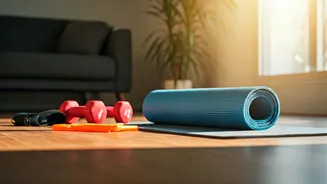
The Bodyweight Minimalist: You believe your body is your gym. Bodyweight exercises, yoga, and calisthenics are incredibly effective and require nothing more than a bit of floor space. It’s the ultimate form of accessible fitness.
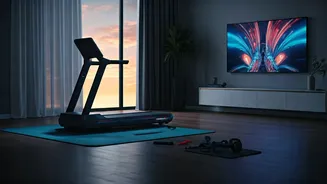
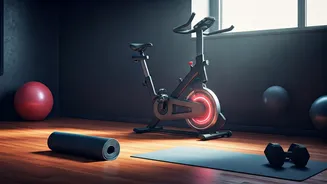
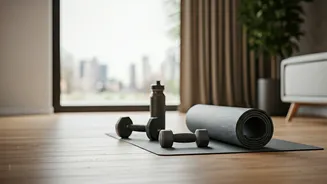
The Tech-Powered Athlete: You invest in smart equipment like a stationary bike or treadmill that connects to virtual classes, creating an immersive and competitive experience that rivals any studio.
So, Is the Gym Obsolete?
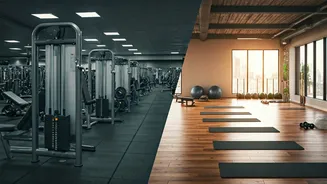
Not at all. While home fitness has carved out a permanent space, it hasn't replaced the gym entirely. Instead, it has pushed the fitness industry towards a 'hybrid' model. Many people now combine the convenience of home workouts on busy days with trips to the gym for heavy lifting, specialised equipment, or the unique energy and community that a physical space provides. Gyms are adapting, focusing more on community-building, high-end equipment, and personalised coaching that you can't get from an app. The future of fitness isn't an either/or choice; it's about having the flexibility to choose what works best for you on any given day.