






More Than a Transaction
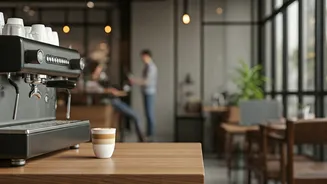
For decades, the primary function of a café was transactional: you paid for a coffee and you left. Today, that model is being rapidly redefined. Modern coffee shops are now in the business of selling an experience. The quality of the espresso is still
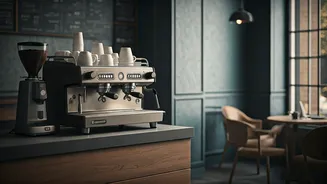
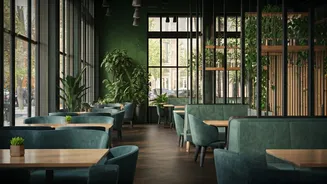
important, but it's increasingly just one part of a much larger package. This package includes the interior design, the music, the furniture, and the overall atmosphere—all carefully curated to create a space where people want to linger, not just purchase. Cafés are becoming cultural spaces that reflect and shape how we want to live, work, and connect.
The Resurgence of the ‘Third Place’
Sociologist Ray Oldenburg coined the term “third place” to describe the crucial social environments outside of our homes (the first place) and our workplaces (the second). These are the informal gathering spots—like parks, libraries, and barbershops—where community is built. In an age of remote work and digital isolation, coffee shops have enthusiastically stepped into this role. Especially after the pandemic, there has been a renewed hunger for real-world connection, and cafés have become the default solution. They offer a unique blend of solitude and social presence, allowing you to be alone without feeling lonely.
From Beans to a Full-Fledged Brand
The most forward-thinking coffee shops now operate as lifestyle brands. This goes beyond just having a cool logo. They are building an identity that customers want to be a part of. This can include selling branded merchandise, offering subscriptions for artisanal coffee beans, and hosting community events like pottery workshops, open mic nights, or art shows. In India, this trend is visible in cities like Bengaluru, where experiential cafés that blend coffee with creative activities are booming. Concept stores are also merging retail with café culture; for instance, a sneaker store might include a craft coffee bar to encourage customers to slow down and immerse themselves in the brand's world.
Designing for Community and Content
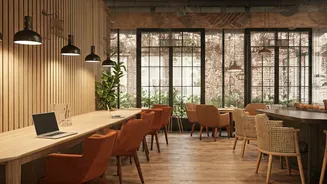
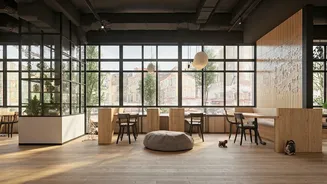
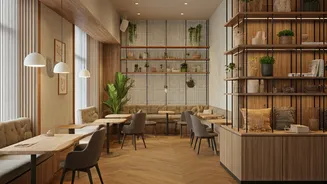
The design of these new lifestyle spaces is intentional. Gone are the days of uniform layouts. Today's cafés feature a variety of zones: communal tables for collaboration, quiet nooks for focused work, comfortable lounge areas for socialising, and even bookable booths for private meetings. Power outlets and reliable Wi-Fi have become as essential as the coffee machine itself. Furthermore, aesthetics play a huge role, with many spaces designed to be 'Instagram-worthy'. For younger generations like Gen Z, the café is both a community hub and a content studio, a place where real-world experiences are shared online, turning every visit into a form of brand participation.
What's Driving the Change?
Several factors are fuelling this evolution. The rise of the 'experience economy' means consumers, particularly millennials and Gen Z, often prefer to spend money on memorable experiences rather than just products. A visit to a beautifully designed café is an affordable indulgence. The increase in remote and hybrid work has also created a demand for comfortable and functional third places to escape the monotony of the home office. In response, cafés are expanding their offerings to capture more of a customer's day, adding comprehensive food menus, health-conscious options like plant-based milks, and even coffee-based cocktails to attract an evening crowd.