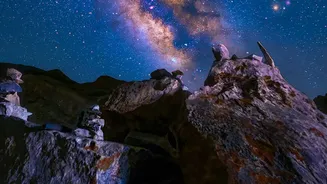



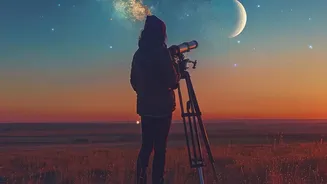
Beyond the glare of city lights, India’s vast and varied landscapes hide some of Asia's most spectacular night skies. From Himalayan deserts to coastal plains, planning a journey to witness this celestial magic is easier than you think.
Choosing Your Celestial Theatre
India offers a diverse
menu of stargazing destinations, each with its unique charm. For the most pristine skies, head to the high-altitude deserts. Hanle in Ladakh is India's first official Dark Sky Reserve, offering internationally recognised, pristine conditions at 4,500 metres. Nearby, Spiti Valley in Himachal Pradesh is another prime location, with villages like Kaza and Kibber providing exceptionally clear views. If high altitudes are daunting, the Rann of Kutch in Gujarat presents a surreal alternative. Its vast, flat salt desert provides an unobstructed 360-degree view of the heavens, especially during the cool, dry winter months. For those in the south, the coffee plantations of Coorg, Karnataka, offer accessible dark skies away from urban centres, particularly between October and May. Other notable spots include Neil Island in the Andamans for a coastal experience, and various locations in the hills of Uttarakhand like Mukteshwar and Kausani.
Timing Is Everything
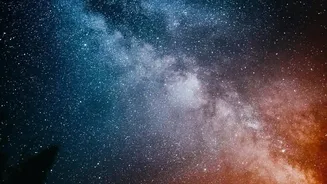
Planning your trip around the right season and lunar cycle is crucial. For most of India, the best period for stargazing is from October to March, when the skies are clear after the monsoon and the weather is cool. However, for high-altitude Himalayan destinations like Ladakh and Spiti, the travel window is generally from May to September when the roads are accessible. Within this period, June and September are often considered the best months for clarity. Regardless of the location, always aim for the days surrounding the new moon. A full moon is bright enough to wash out fainter stars and the majestic band of the Milky Way. The five-day window around a new moon will give you the darkest possible skies, transforming a good view into an unforgettable one.
The Essential Stargazing Kit
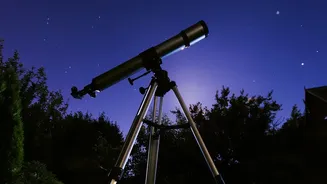
You don't need a professional telescope to have a rewarding stargazing experience. The most critical items are simple. Start with a pair of binoculars (10x50 is a great choice) which are perfect for scanning star fields and viewing clusters. The single most important tool, however, is a red-light torch. White light from a standard flashlight or phone screen will ruin your night vision, which takes 20-30 minutes to fully adapt to the dark. A dim red light allows you to see your surroundings without resetting your eyes. Also, pack warm layers of clothing, even for summer nights, as clear skies often lead to a significant drop in temperature. A comfortable chair or blanket to lie on will make your viewing session much more enjoyable. Finally, a star chart or a stargazing app on your phone (with its screen set to red-light mode) can help you identify the constellations and planets you're seeing.
On the Night: Tips for a Great Experience
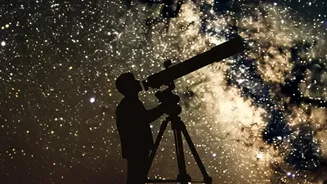
Once you've reached your dark-sky spot, the key is patience. Find a comfortable position and turn off all white lights. Allow your eyes at least 20 to 30 minutes to fully adjust to the darkness; you'll be amazed at how many more stars become visible over time. Start by simply looking up and taking in the vastness of the sky. Use your star chart or app to locate bright anchor stars and then trace the patterns of major constellations like Orion or Ursa Major (Saptarishi). From there, you can start hunting for fainter objects. With clear, dark skies like those in Hanle or Spiti, you may even be able to spot the faint, cloudy smudge of the Andromeda Galaxy with your naked eye. For those wanting a more structured experience, many locations now have local guides or organized tours that provide telescopes and expert knowledge.