




A Return to Simpler Tastes
In the aisles of supermarkets and on the menus of trendy cafes, something old is new again. Simple, traditional fare is making a significant comeback. Amidst the allure of international cuisine and the convenience of ready-to-eat meals, a growing number
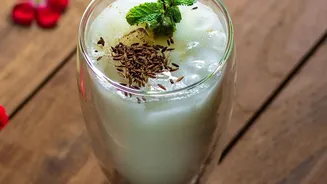
of Indians are consciously choosing foods that have nourished generations. This isn't just about nostalgia; it's a deliberate return to roots, driven by a desire for authenticity and wellness. Buttermilk, the cooling drink known as 'chaas' or 'taak', and the vibrant array of local, seasonal fruits are at the forefront of this movement. They represent a cultural revival, reminding us that sometimes the most profound flavours and benefits are found in the simplest of ingredients.
The Search for Better Health
One of the biggest drivers of this trend is a collective focus on health. As lifestyle-related health issues become more prevalent, many are looking at their plates for answers. Traditional Indian foods are being recognised not just as meals, but as medicine. Buttermilk, a fermented drink, is packed with probiotics that aid digestion and support gut health. In the summer heat, it's a natural coolant that hydrates the body while replenishing electrolytes. Similarly, choosing seasonal fruits over imported, out-of-season options ensures higher nutritional value and better taste. This shift represents a move from passive consumption to purposeful eating, where long-term wellbeing is the priority. Consumers are increasingly looking for functional foods with recognisable ingredients, a demand that traditional diets naturally meet.
From Home Kitchens to Market Shelves
This renewed interest in traditional eating is not just a domestic phenomenon; it's a significant business opportunity. The food industry has taken note of the consumer shift away from heavily processed products. Start-ups and established brands are now marketing and packaging traditional items for the modern, time-pressed consumer. Packaged buttermilk, millet-based snacks, and ready-to-eat versions of regional dishes are becoming commonplace. This commercialisation makes traditional foods more accessible, but it also highlights a key tension: the need to balance convenience with authenticity. Studies show that while consumers want modern, convenient options, they are also looking for products that feel authentic and trustworthy.
An Expression of Identity and Sustainability
Embracing traditional food is also a way of reinforcing cultural identity. In a globalised world, local cuisines offer a sense of belonging and pride in one's heritage. This trend is deeply connected to a growing appreciation for India’s vast culinary diversity, with regional dishes that were once confined to home kitchens now being celebrated in restaurants nationwide. Furthermore, this movement aligns with a growing consciousness around sustainability. Eating local and seasonal produce reduces the carbon footprint associated with food transportation and supports local farmers and economies. This approach honours the traditional wisdom of eating what grows nearby, a practice that is both environmentally sound and deeply rooted in Indian culture.
Modern Twists on Timeless Classics
The return to tradition doesn't mean a rejection of modernity. Instead, it's about integration. Many are finding creative ways to incorporate traditional ingredients into contemporary lifestyles. This fusion is where the trend truly comes alive. Think of buttermilk blended into smoothies, ancient grains like millets appearing in breakfast bowls, or traditional spices like turmeric being celebrated as superfoods in health drinks. This evolution shows that traditional eating is not a rigid set of rules but a flexible framework that can be adapted to modern tastes and needs. It’s about honouring the nutritional intelligence embedded in Indian food culture while making it relevant for today.